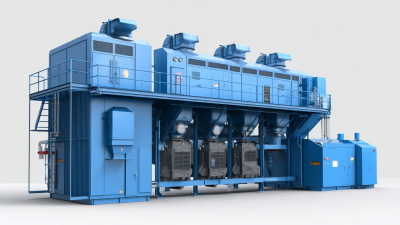
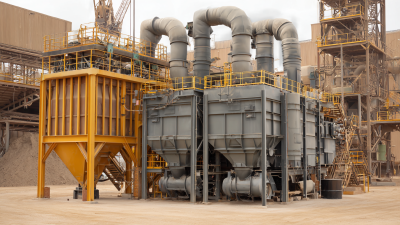
Picking the right industrial dust extractor is super important if you want to keep your workshop safe and clean. These dust collection systems do a great job of pulling harmful particles out of the air—and let’s be honest, they also help your equipment last longer. Win-win, right?
Now, with so many options out there in 2026, it can get a bit overwhelming. It’s really worth it to pay attention to quality and how efficient these machines are. You’ll see that brands like Festool and Grizzly are pretty popular among pros. Each one has its own set of features, so you can find something that suits your specific needs. And don’t forget—efficiency really matters.
That said, not all dust extractors are cut from the same cloth. Some might not do quite enough in terms of performance, while others might be just too bulky and awkward for your workspace. Taking the time to figure out what works best for your particular setup will save you headaches down the line. In the end, finding that perfect fit is a bit of a challenge, but totally worth it—your workshop will thank you!
In 2026, the importance of industrial dust extractors cannot be overstated. These machines play a vital role in maintaining a clean workshop environment. Effective dust extraction significantly reduces respiratory risks, aiding worker health. According to recent reports, workplaces using proper dust extraction systems see a 30% decrease in respiratory illnesses.
Key features to consider include filtration efficiency. HEPA filters capture 99.97% of particles, ensuring cleaner air. The design of these systems affects their performance. Mobile units offer flexibility, while stationary models provide stability for larger workshops. Noise levels should also be considered; machines below 85 decibels limit distractions and enhance focus.
Tips: Regular maintenance is crucial. Clogged filters reduce effectiveness. Check and replace filters as needed. Additionally, ensure proper sizing. An undersized extractor cannot handle heavy dust loads, leading to inefficient cleaning.
Remember, proper dust extractors not only improve air quality but also enhance workflow. Investing in a quality system can significantly elevate productivity. However, many workshops overlook the importance of training staff on operation and maintenance. Without proper training, even the best machines can underperform.
In a workshop, clean air is crucial. An effective dust extractor not only captures particles but enhances overall air quality. A recent industry report revealed that poor filtration can increase airborne dust levels by 30%. High-efficiency particulate air (HEPA) filters are essential in dust extractors. These filters can capture 99.97% of particles measuring 0.3 microns or larger. In contrast, standard filters might let harmful dust pass through.
Airflow is equally important. A dust extractor with inadequate airflow might not remove all dust effectively. Studies suggest a minimum airflow rate of 350 CFM (cubic feet per minute) for optimal performance in workshops. Regular maintenance is needed to sustain airflow efficiency. Dust can clog filters quickly, reducing their effectiveness.
Tips: Regularly check and replace filters. Don’t ignore the importance of airflow adjustments based on equipment in use. Also, consider working in a well-ventilated area. Each workshop has unique needs, so evaluate your space. Investing in a quality dust extractor can be complex but rewarding. Reflect on your workshop's emission levels and air quality. Make informed choices for lasting benefits.
When choosing an industrial dust extractor, users face many options. A recent market report indicated that over 64% of workshops use dust extractors for safety and efficiency. The data suggests a direct correlation between extractor quality and worker productivity. Clean air leads to better focus and fewer health issues.
Models released in 2026 show advanced filtration systems. These systems can capture particles as small as 0.3 microns. This is crucial, as many harmful dust particles fall within this size range. Many users might overlook maintenance needs. Clogged filters reduce efficiency significantly, which negates the investment in high-performance models. Without regular checks, a high-capacity unit may perform poorly.
Noise levels are another concern. Some 2026 extractors operate above 85 decibels, potentially causing hearing damage. Workshops should consider acoustic impact in their environment. Users often dismiss noise, assuming they can wear ear protection. Not addressing this issue might lead to long-term health complications. Finding the right balance is essential for both safety and productivity.
When choosing industrial dust extractors, noise levels are a crucial factor. Many workshops battle with excessive sound, which can affect worker productivity and well-being. Reports show that dust extraction systems can emit noise levels ranging from 70 to 95 decibels. At this range, significant hearing damage is possible over time. Consequently, it’s essential to consider both performance and noise when selecting a system.
High-performance dust extractors are often louder due to powerful motors and fan systems. However, some models incorporate technology to reduce noise without compromising efficiency. Studies indicate that systems featuring soundproofing materials can reduce noise by up to 30%. Such improvements can create a more pleasant working environment. This balance between performance and decibels often remains a challenge for many workshops.
In addition to performance metrics, user experience plays an essential role. Some users report that quieter models may not capture dust effectively. This can lead to air quality issues and hinder workflow. Conversely, loud models can deter staff from using them regularly. Ensuring all team members feel comfortable while working is a vital step in establishing a safe workshop atmosphere. Careful consideration of both sound and efficacy will ultimately serve the needs of the workshop better.
HEPA filters play a crucial role in industrial dust extraction, especially in workshops. A HEPA filter can trap at least 99.97% of particles that are 0.3 microns in diameter. This includes fine dust, allergens, and even some bacteria. According to recent studies, proper dust extraction can improve air quality, leading to better worker health. Workshops often experience high levels of airborne contaminants. Therefore, a reliable dust extractor with a HEPA filter is essential.
When choosing a dust extractor, consider the filter's efficiency. Not all filters are created equal. Some may only capture larger particles. You want one that meets HEPA standards. This guarantees a higher level of air cleanliness. It's also important to check the filter's longevity. Frequent replacements can add to operational costs.
Tips: Regularly inspect your dust extraction system. Ensure it functions properly and efficiently. Replace filters as needed to maintain optimal performance. Also, train staff on best practices for dust management. This fosters a healthier work environment. Keeping workspaces clean can reduce allergic reactions and respiratory issues among employees. Consistent maintenance is key for health and safety.
Selecting an industrial dust extractor involves balancing cost and performance. In 2026, many workshops face tight budgets. A survey reported that around 70% of small businesses prioritize cost over performance capabilities. This trend raises concerns about dust compliance and worker safety.
When investing in dust extraction systems, performance metrics are crucial. A quality machine should filter out 99.97% of particles down to 0.3 microns. However, cheaper models often miss this benchmark. In 2025, data showed that inadequate ventilation and dust control increased respiratory issues among workers by 30%.
While affordable options may seem appealing, they can lead to long-term costs. Maintenance of underperforming systems can add up, sometimes exceeding initial savings. Thus, evaluating the lifecycle costs of a dust extractor is essential. Choosing poorly can impact workshop efficiency and employee wellbeing. Weighing immediate expenses against potential risks is a vital part of the decision-making process.
This chart compares the cost and performance of various industrial dust extractors in 2026. The data illustrates the balance between price and efficiency, helping workshops make informed purchasing decisions.
The world of dust extraction technology is evolving rapidly. Innovative designs are emerging in workshops. These advancements focus on efficiency and user convenience. Powerful motors now operate quietly. This ensures a pleasant working environment. Compact units are gaining popularity. They save valuable space without sacrificing performance.
Smart dust extractors are on the rise. Many include sensors that detect dust levels. This allows for automatic adjustments based on real-time needs. These features help in maintaining a cleaner workspace. Furthermore, improved filtration systems are becoming standard. They capture even the smallest particles, which enhances air quality.
However, some challenges remain. Users often struggle with the initial setup. Complicated instructions can deter effective usage. Additionally, maintenance is crucial. Filters must be cleaned regularly to maintain performance. Inadequate attention here can lead to reduced efficiency. Workshops should emphasize education on proper care and use. Embracing these innovations requires commitment but promises substantial rewards.
Self-cleaning air filter elements are essential components in maintaining optimal air quality, particularly in industrial environments where dust and particulates can significantly impact air filtration efficiency. According to industry reports, self-cleaning filters can enhance filtration surface area and increase air flow rates, which are critical for effective dust collection. The innovative design of these filters allows them to automatically remove accumulated dust, thus prolonging the lifespan of the filter elements and improving overall system efficiency.
Manufactured with state-of-the-art filtration materials, self-cleaning air filters present a best-in-class solution for a diverse range of operational patterns. Expert studies highlight that systems utilizing self-cleaning technology can reduce maintenance costs by up to 50%, as these filters require less frequent replacement compared to traditional filter elements. Furthermore, various cap designs available for different configurations ensure that these filters can be tailored to meet specific operational demands, providing flexibility and adaptability needed in dynamic working environments.
In conclusion, selecting the right self-cleaning air filter is crucial for ensuring a high level of air quality and operational efficiency. With features such as broad filtration surfaces and engineered airflow capabilities, self-cleaning filters not only enhance performance but also contribute to lower total operational costs, making them a wise investment for any facility prioritizing air quality.
: Common materials include metals, plastics, and textiles. Each has unique properties and uses.
Check for certifications and reviews. Taking time can save future regrets.
Contact the seller for support. Document your issue for better assistance.
Return policies vary. Always read the terms carefully before purchasing.
Prices depend on materials, craftsmanship, and market demand. It can be complex.
Look for safety ratings and customer feedback. Research helps in making informed choices.
Yes, many brands offer eco-friendly products. Explore options that align with your values.
Mistakes happen. Reach out to customer service promptly for resolution.
Regular maintenance keeps products in good shape. Follow care instructions provided.
Material quality and usage patterns impact longevity. Reflect on your habits to improve lifespan.
The article "2026 Best Industrial Dust Extractors for Your Workshop" provides a comprehensive overview of the essential features and benefits of industrial dust extractors. It highlights the importance of airflow and filtration efficiency, explaining how these factors contribute to a cleaner and safer workshop environment. The piece also delves into noise levels, allowing readers to understand the performance aspect of these systems while operating.
Additionally, it addresses the significance of HEPA filters in dust extraction, ensuring maximum filtration of harmful particles. Budgeting considerations are explored, comparing cost and performance to help businesses make informed decisions regarding their investments in industrial dust extractors. Finally, the article examines future trends and innovations in dust extraction technology, preparing workshop owners for advancements that may enhance their operations in the coming years.