0%

In today’s industrial world, you really can’t underestimate how important a reliable dust collection system is. Baghouse dust collectors, in particular, have become a go-to solution for industries that deal with airborne dust and particulates. Not only do they help keep the air safer to breathe, but they also make sure businesses stay within environmental rules and regs. Jim Anderson, who’s a senior engineer over at CleanAir Technologies, puts it nicely: "A well-designed Baghouse Dust Collector can really boost performance while keeping operational costs down."

So, how do these baghouses work? Basically, they trap dust particles using a series of fabric filters. This process makes sure those nasty particles are removed efficiently. For companies, that’s a big deal — it means safer workplaces and a more productive team. But here’s the thing: if you don’t keep up with regular maintenance, the system can lose efficiency, leading to more downtime. Finding the right balance between keeping things running smoothly and taking good care of the equipment is super important.

Understanding the perks of using a Baghouse Dust Collector goes beyond just ticking boxes for compliance. It’s really about the long-term savings and healthier work environments. When set up properly, these systems can cut down emissions quite a bit and help operations run more smoothly overall. That said, the tricky part is making sure they’re maintained and upgraded when needed — because that’s what keeps everything running at its best.

What are the Benefits of Baghouse Dust Collectors for Industry?

Overview of Baghouse Dust Collectors in Industrial Applications

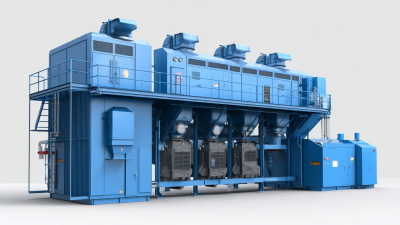
Baghouse dust collectors have become essential in various industries. They trap dust particles, ensuring cleaner air and enhancing worker safety. When used properly, these systems can drastically reduce airborne contaminants. They operate by filtering out fine particles using fabric filter bags, which catch dust and allow clean air to pass through.

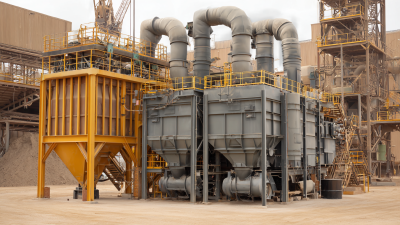
In industrial settings, baghouse dust collectors find applications in manufacturing, mining, and food processing. They help maintain compliance with air quality standards. Additionally, they improve production efficiency by minimizing dust accumulation on machinery. This is crucial for maintaining optimal performance and reducing wear and tear.

Tips: Always monitor the filter performance. Regular maintenance of baghouse dust collectors can lead to longer life and better efficiency. Consider the environment where the system will be used. Different materials may be required based on temperature or chemical exposure. Selecting the right system for your needs is vital to achieving the best results.

Key Components of Baghouse Dust Collector Systems

Baghouse dust collector systems play a crucial role in various industries. These systems consist of key components that contribute to their efficiency and reliability. The central element is the filter bag, which traps dust particles. Industry reports indicate that well-maintained baghouse systems can achieve dust collection efficiencies exceeding 99%. This high efficiency helps companies comply with environmental regulations and protect worker health.

Another vital component is the cleaning mechanism, typically using either pulse jet or shaker methods. Pulse jet cleaning uses compressed air to dislodge dust, while shaker systems use mechanical vibration. The choice between these methods can impact not only maintenance costs but also operational downtime. Reports suggest that improper cleaning techniques can lead to increased energy consumption and reduced filter life. Thus, selecting the right cleaning mechanism is essential for sustained performance.

The structure of the baghouse also matters. A well-designed layout enhances airflow and reduces pressure drop, which is crucial for energy efficiency. However, many systems face challenges related to space constraints or complex flow dynamics. Understanding these limitations helps businesses plan for effective dust collection strategies. Ongoing training for staff handling these systems is equally important to ensure optimal performance and safety.

How Baghouse Dust Collectors Function to Remove Dust

Baghouse dust collectors play a crucial role in various industries. They effectively remove dust particles from the air, improving workplace safety. These systems are often used in areas like manufacturing, woodworking, and metalworking. Dust can pose health risks to workers and affect equipment performance. Thus, reducing airborne dust is essential for maintaining a safe environment.

Baghouse dust collectors function by employing a series of fabric filters. Air laden with dust passes through these filters, which capture the particles. The filtered air then exits the system, leaving behind clean air. Regular maintenance ensures the filters remain effective. Yet, over time, filters can wear out or clog. This requires operators to monitor their performance closely.

Additionally, operating a baghouse system may require a learning curve. Optimal airflow and pressure settings must be achieved. Sometimes, adjustments are necessary to handle varying dust types. Understanding the specific dust characteristics is key. While these systems are efficient, operators should not overlook ongoing training and system evaluation to ensure peak performance.

Benefits of Baghouse Dust Collectors for Industry

Advantages of Implementing Baghouse Dust Collectors in Industry

Baghouse dust collectors are essential in many industrial settings. Their primary advantage is effective dust control. This leads to a cleaner work environment. A clean atmosphere enhances employee health and safety. Workers are less likely to suffer from respiratory issues when dust is minimized. Moreover, this contributes to improved productivity. Employees can focus on tasks without worrying about airborne particles.

Implementing baghouse dust collectors also reduces equipment maintenance. Dust and debris can damage machinery over time. By capturing these particles, companies extend the lifespan of their equipment. Maintenance costs decrease as a result. Many industries experience fewer shutdowns caused by dust buildup. However, not all systems are perfect. Installation can be costly and take time.

Some facilities may struggle with selecting the right system. Variables like airflow rate and type of dust are important. Miscalculations can lead to inefficient operation. Regular monitoring and adjustments are necessary for optimal performance. Understanding the specific needs of each environment is crucial. A well-planned implementation can yield significant benefits.

Improving Air Quality and Compliance with Baghouse Systems

Baghouse dust collectors play a crucial role in enhancing air quality within industrial settings. These systems capture airborne pollutants, reducing harmful emissions. By filtering particles, they meet environmental regulations and improve workplace safety. Clean air promotes employee health and increases productivity. Factories can operate with less downtime, leading to cost savings.


Here are some tips for optimizing baghouse systems:

  • Regular maintenance is essential.
  • Inspect bags for wear and tear to ensure efficiency.
  • Keep the system clean to enhance airflow.
  • Monitor emissions to stay compliant with regulations.
  • It’s important to train staff on proper usage.
This investment in knowledge pays off in long-term performance.

Implementing baghouse systems illustrates a commitment to environmental responsibility. However, it’s important to remember that performance can vary. Regular reviews and adjustments may be necessary to maintain effectiveness. Being aware of changing regulations can help in staying compliant while also ensuring a safe working environment.

Cost Efficiency and Maintenance of Baghouse Dust Collectors

Baghouse dust collectors are essential in various industries due to their impressive cost efficiency. They feature a simple design that minimizes initial investment. Regular maintenance is simplified because filters often last longer than traditional systems. This leads to savings on replacement and upkeep. Additionally, the operational efficiency of a baghouse means lower energy consumption, reducing utility costs significantly.

Maintenance, however, is not without its challenges. Filters can accumulate dust and need to be cleaned frequently to maintain peak performance. Neglecting this aspect may lead to decreased efficiency over time. It is crucial to establish a routine check-up schedule to prevent operational hiccups. The need for occasional replacement parts also highlights the importance of a budget for unexpected expenses.

Moreover, while baghouse systems can reduce costs, they require skilled personnel for effective maintenance. Staff training is essential to ensure proper handling and optimization of the dust collectors. Engaging employees in maintenance practices can foster a culture of accountability. It is vital to continually reassess and improve these practices to ensure long-term reliability and cost savings.

What are the Benefits of Baghouse Dust Collectors for Industry? - Cost Efficiency and Maintenance of Baghouse Dust Collectors

Benefit Description Cost Efficiency Maintenance Frequency
High Filtration Efficiency Removes fine particulate matter from industrial processes, improving air quality. Reduces costs related to health issues and compliance fines. Monthly checks recommended.
Energy Efficiency Maintains optimal airflow, minimizing energy consumption. Lower operational costs due to reduced energy use. Quarterly maintenance required.
Versatile Applications Suitable for various industries including cement, pharmaceuticals, and food processing. Flexible use reduces need for multiple systems, saving costs. Annual inspections recommended.
Reduced Downtime Efficient design ensures minimal interruption to production timelines. Increased productivity leads to better profit margins. Monthly filter replacements may be needed.
Improved Regulatory Compliance Helps meet local and federal air quality standards. Avoids fines and legal issues associated with non-compliance. Periodic audits suggested.

Case Studies: Success Stories of Baghouse Dust Collector Use

Baghouse dust collectors play a critical role in various industries. Many companies have reported significant improvements in air quality and workplace safety. For example, a manufacturing plant installed a baghouse system and witnessed a 90% reduction in airborne particulate matter. This not only protected workers but also complied with stricter environmental regulations.

In a case study by the Environmental Protection Agency, a fiberglass manufacturing facility utilized baghouse collectors. They achieved a dust emission reduction of over 95%. This not only enhanced operational efficiency but also improved the overall health of employees. The financial savings from reduced worker compensation claims were substantial.

However, implementing a baghouse system is not without challenges. Some facilities faced initial installation costs that strain budgets. Regular maintenance is essential for optimal performance, which adds to operational complexity. Companies must weigh these factors against the long-term benefits of dust control and regulatory compliance.

Maximizing Efficiency: A Comprehensive Guide to Choosing the Right Cartridge Filter for Your Dust Collector

Choosing the right cartridge filter for your dust collector is crucial for maximizing efficiency in any industrial setting. The innovative design featuring a unique concave fold pattern ensures that users benefit from 100% effective filtration area, allowing for optimal airflow and performance. This specialized design not only enhances the filtration efficiency but also significantly prolongs the lifespan of the filter cartridge. By maintaining a consistent fold spacing, the filter promotes uniform filtration, reducing pressure differences across the filter element and stabilizing airflow throughout the spray room.

Further contributing to its efficiency, the filter is constructed using advanced technology to create a robust adhesive for bonding, ensuring the durability required for challenging environments. The curved transition on the folding top increases the effective filtration area, leading to even better performance. Additionally, the rich elasticity and low hardness of the materials used allow for a single ring sealing mechanism that maintains a tight seal, preventing contamination and ensuring a cleaner workspace.

From optimizing airflow to facilitating easier cleaning of the powder room, selecting the right cartridge filter revolves around these innovative features that enhance operational efficiency. Investing in a high-quality filter not only improves dust collection but also supports a more sustainable and productive workflow in industrial applications.

FAQS

: What is the primary function of baghouse dust collectors?

: They trap dust particles from the air, ensuring cleaner air and enhancing worker safety.

In which industries are baghouse dust collectors commonly used?

They are used in manufacturing, mining, and food processing industries.

How do baghouse dust collectors improve production efficiency?

They minimize dust accumulation on machinery, which helps maintain optimal performance.

Why is regular maintenance important for baghouse systems?

It leads to longer life and better efficiency of the dust collectors.

What could happen if a baghouse dust collector's filters are not monitored?

Filters may clog or wear out, leading to reduced performance and air quality.

What factors should be considered when selecting a baghouse system?

Consider environmental conditions like temperature and chemical exposure for optimal results.

How can clean air benefit employee health?

Clean air reduces health risks and increases overall productivity in the workplace.

What could hinder the performance of baghouse dust collectors?

Overlooking the need for adjustments or ongoing training may affect system effectiveness.

How do baghouse dust collectors help with compliance?

By capturing pollutants and reducing emissions, they help meet environmental regulations.

What should operators regularly review for effective baghouse operation?

Regular performance checks and adjustments are necessary to maintain effectiveness.

Conclusion

Baghouse Dust Collectors are essential in industrial applications for maintaining air quality and compliance with environmental regulations. These systems are designed with key components that effectively capture and remove dust particles from the air, ensuring a cleaner work environment. By functioning through various filtration methods, Baghouse Dust Collectors enhance operational efficiency and contribute to improved air quality.

Implementing Baghouse Dust Collectors offers numerous advantages, including cost efficiency and reduced maintenance requirements. Case studies illustrate their success in various industries, highlighting the positive impact on productivity and worker health. Overall, Baghouse Dust Collectors play a vital role in promoting sustainable industrial practices while safeguarding both personnel and the environment.

Liam

Liam

Liam is a dedicated marketing professional with a profound expertise in the lubrication industry, specializing in high-temperature chain lubricants and integral lubrication solutions. With a focus on compressor lubricants, vacuum pump lubricants, and refrigerated compressor lubricants, he is......
Previous 2026 Top Dust Collector For Welding What To Look For?