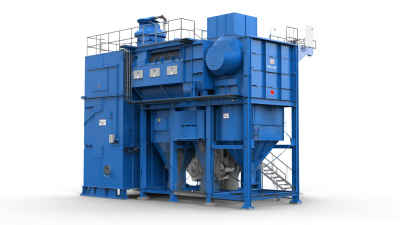
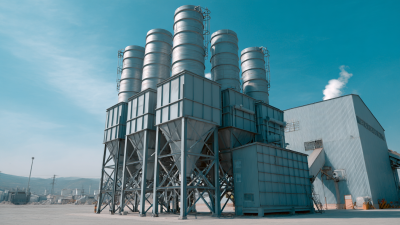
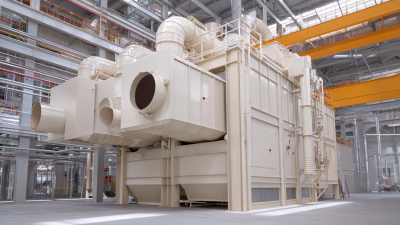
When it comes to industrial air filtration, there's no denying that a Baghouse Dust Collector plays a really important role. Experts like Dr. John Smith from DustTech Solutions often highlight how crucial these systems are, saying things like, 'Baghouse Dust Collectors are essential for keeping your workspace clean.' Basically, this tech is great at catching airborne dust efficiently, helping companies stay compliant with environmental standards without a fuss.
Of course, problems pop up sometimes. A lot of facilities overlook regular maintenance, and that’s where things start to go sideways. Even the best Baghouse Dust Collector won't perform well if it’s not looked after. Dust can build up and clog the system, messing with airflow and reducing how well it filters. That often forces operators to reconsider how they’re handling things.
On the upside, there are quite a few benefits if you do get it right. These systems boost air quality, keep your workers safer, and can even save money on cleanup costs in the long run. Sadly, a lot of workplaces don’t really see the full potential of these systems. Putting some investment into a solid Baghouse Dust Collector can really pay off — it’s all about being aware and taking proactive steps. At the end of the day, understanding how these systems work is pretty much a must for any industry that’s serious about running efficiently.
Baghouse dust collectors are vital in many industries. They efficiently capture dust and particulate matter from the air, enhancing air quality. A well-functioning baghouse can remove up to 99.9% of particulates, according to industry data. This is crucial in manufacturing, mining, and food processing sectors.
The functionality of a baghouse lies in its design. It includes fabric filters that separate dust from the air stream. This process can significantly reduce emissions and minimize health risks. Reports estimate that air pollution control equipment, like baghouses, can lower a facility’s emissions by up to 30%. Yet, maintenance is often overlooked.
Proper upkeep is key to achieving maximum efficiency. Neglecting regular cleaning and filter replacement diminishes performance. Some facilities experience airflow issues due to dirty filters, resulting in increased costs. It’s essential to recognize these pitfalls to maintain optimal operations in dust collection systems. Promoting awareness about these challenges can lead to better environmental practices.
Baghouse dust collectors play a vital role in air quality management. These systems capture particulate matter from industrial processes, improving the air we breathe. According to a report by the Environmental Protection Agency (EPA), effective dust collection can reduce particulate emissions by as much as 99%. This significant reduction benefits both the environment and public health.
In many industries, dust can contain harmful substances. For example, construction sites often generate silica dust, which poses health risks. Baghouse systems help minimize exposure to such hazards. However, not all operations invest in proper maintenance. Dust accumulation can lead to reduced efficiency and increased emissions. Regular checks are essential to ensure optimal performance.
Additionally, baghouse systems must be tailored to specific operational needs. A generic approach may overlook critical factors, like airflow and dust composition. A study from the National Institute for Occupational Safety and Health (NIOSH) suggests that customized setups lead to lower airborne contaminants and better worker safety. The goal should be clear: effective air quality management requires ongoing evaluation and adaptation.
Baghouse dust collectors play a crucial role in improving energy efficiency for industrial systems. These systems utilize fabric filters to capture airborne dust and particles. According to a recent industry report, baghouse systems can enhance energy efficiency by up to 30%. This substantial improvement translates into reduced operational costs for manufacturers. A cleaner environment around the equipment can lower wear and tear, ultimately improving longevity.
Moreover, baghouse dust collectors often have a multi-stage filtration process. This ensures that even the finest particles are captured, preventing them from circulating in the air. The data shows that systems utilizing this technology can operate at a higher efficiency level. Dust-laden air is processed more smoothly. Less energy is wasted on excessive fan operations. Yet, many facilities overlook regular maintenance, which can diminish efficiency over time. Without routine checks, performance can drop dramatically.
Implementing baghouse collectors does require a financial investment. However, the return on investment often outweighs initial costs. Facilities that choose to overlook this aspect may miss out on long-term savings. Enhanced energy efficiency is just one of the multiple benefits offered by baghouse systems. Proper installation and frequent servicing are essential factors for maximum efficiency. Potential users need to be aware of these considerations to fully realize the advantages.
Dust collection systems, particularly baghouse dust collectors, play a critical role in reducing environmental pollution. According to the U.S. Environmental Protection Agency (EPA), industrial dust emissions can account for up to 30% of the total air pollutants in certain regions. By efficiently capturing particulate matter, baghouse collectors can significantly lower these emissions, protecting local air quality.
For instance, an industrial facility using a baghouse collector can reduce its particulate emissions by over 99%. This is not only beneficial for the environment but also vital for public health. Particulate matter can lead to respiratory problems and other serious health issues. Moreover, a report from the World Health Organization (WHO) states that air pollution contributes to about 7 million premature deaths annually. This alarming figure highlights the urgent need for effective dust control measures in various industries.
Despite these impressive statistics, challenges remain. Some facilities struggle with maintenance and efficiency in their dust collection systems. Not all systems operate at peak efficiency, leading to potential leaks and higher emissions. Continuous monitoring and improvement of these systems are necessary. Companies must remain vigilant and proactive in updating their dust collection strategies to ensure sustained compliance with environmental regulations.
Investing in baghouse dust collectors can lead to significant cost savings over time. These systems are designed to capture and filter dust particles from the air. By improving air quality, they often reduce liability costs associated with workplace health issues. Cleaner environments can lead to a decrease in employee absences due to respiratory problems.
Additionally, regular maintenance costs may be lower. Many baghouse systems are built with durable materials, ensuring longevity. This durability means less frequent replacements and repairs. However, the initial installation can be expensive. Businesses must carefully assess their budgets and capabilities before making a decision.
Moreover, energy savings can be a hidden benefit. With improved airflow efficiency, energy consumption often decreases. Many companies overlook this aspect, focusing only on upfront costs. Reflecting on long-term benefits can lead to better decision-making in terms of investments and financial planning.
Baghouse dust collectors play a crucial role in maintaining workplace safety. They trap harmful dust and particles, preventing them from circulating in the air. This creates a healthier environment for employees. Clean air is vital for reducing respiratory issues. Workers breathe easier, leading to heightened focus and productivity.
While these systems are effective, regular maintenance is essential. Dust buildup can reduce efficiency. It's important to inspect bag filters often. Clean or replace them when necessary. This ensures optimal performance and safety.
Pay attention to air quality monitoring. Use sensors to detect dust levels in real-time. Educate workers about the importance of reporting any visible dust. Prevention is key. Encourage them to wear masks in high-dust areas. Creating a culture of safety benefits everyone.
Baghouse dust collectors are vital in various industrial applications. They are designed to efficiently remove airborne particles from the environment. A key advantage of these systems is their ease of maintenance. Regular cleaning and filter replacement ensure optimal performance. This simplicity reduces downtime, making operations more efficient.
Using baghouse collectors contributes to longevity. Proper maintenance extends the lifespan of the equipment. However, many users overlook the importance of routine checks. Neglecting small issues can lead to more significant problems over time. It’s essential to create a maintenance schedule and stick to it. Tracking filter performance and cleaning cycles prevents costly repairs.
Investing in baghouse collectors can seem daunting. Yet, their long-term benefits outweigh initial concerns. Regular upkeep not only enhances performance but also minimizes environmental impact. Users need to stay proactive to maximize these advantages. The balance between maintenance and efficiency might take effort, but the rewards are significant.
This chart illustrates the top benefits of using baghouse dust collectors. Each benefit is evaluated on a score from 1 to 10, reflecting its importance in improving industrial dust management.
: Good sleep supports mental clarity and emotional stability. It enhances cognitive function and productivity.
Establish a routine. Limit screen time before bed. Create a calm sleep environment.
Avoid caffeine and heavy meals. Spicy foods can disrupt sleep too. Aim for light snacks if hungry.
Yes, regular exercise promotes better sleep. However, avoid intense workouts right before bed. It may keep you awake.
Insomnia and sleep apnea are prevalent. They can lead to daytime fatigue and difficulty concentrating.
Short naps can boost alertness. However, long naps may interfere with nighttime sleep.
High stress levels often lead to restless nights. Managing stress is vital for better sleep.
Yes, persistent problems should be evaluated. Professional guidance can identify underlying issues.
Sleep aids can help temporarily, but they may not address the root cause of sleep troubles.
Yes, chronic sleep deprivation can harm your overall health. Obesity and heart disease risks increase significantly.
Baghouse dust collectors are essential systems designed to improve air quality and reduce pollution in industrial settings. These collectors function by capturing airborne dust and particulate matter, thereby playing a crucial role in air quality management. One of the top benefits of baghouse dust collectors is their enhanced energy efficiency, which helps to lower operational costs while maintaining effective dust capture.
Additionally, baghouse systems contribute to significant environmental pollution reduction, ensuring compliance with regulatory standards. They also offer long-term financial savings through minimized maintenance costs and improved equipment longevity. Importantly, these systems enhance workplace safety and employee health by limiting exposure to harmful dust, creating a cleaner and safer working environment. Overall, the investment in baghouse dust collectors yields substantial benefits for both organizations and their employees.