You know, mineral lubricants are really taking over in a lot of industries these days. They've got some pretty impressive performance and reliability, which is why so many people are sticking with them. I read somewhere—actually, it was from the International Lubricants Association—that the market for mineral lubricants could hit around $16 billion by 2025. No kidding! That's a solid sign that their use is booming in everything from cars and manufacturing to industrial settings. Part of the reason? Well, mineral lubricants are great because they can handle heat really well, form a strong film that protects moving parts, and they don’t break the bank either. No wonder engineers and techs tend to prefer them—they just work!
And get this, Dr. Richard Thorne, who’s pretty much an expert in the field, talks about how crucial these lubricants are. He said something like, 'Mineral lubricants not only help machines last longer but also boost energy efficiency.' That really hits the mark, you know? It’s all about reducing friction and wear, which in turn cuts down costs and makes equipment last longer. As more industries look for sustainable and efficient options, it’s clear that mineral lubricants are more than just a trend—they’re almost basically essential for anyone aiming for top-notch performance.

Understanding Mineral Lubricants and Their Composition
Mineral lubricants are derived from refining crude oil, and their composition significantly influences their performance in various applications. These lubricants typically consist of base oils combined with various additives designed to enhance their properties. According to a report from the National Lubricating Grease Institute (NLGI), approximately 70% of lubricants used in industries are mineral-based, highlighting their prevalence and utility in optimizing machinery performance. The refining process strips away undesirable components, resulting in a pure base oil that provides excellent lubrication, reduces friction, and minimizes wear on equipment.
In addition to their fundamental composition, mineral lubricants often include additives such as anti-wear agents, antioxidants, and viscosity modifiers. A study published in the Journal of Petroleum Technology reveals that the addition of such agents can significantly improve the lubricating properties and thermal stability of mineral oils, allowing machinery to operate efficiently under varying temperatures and loads. Furthermore, mineral lubricants are prized for their ability to maintain their structural integrity over time, ensuring prolonged equipment life and reducing the need for frequent oil changes, thus minimizing operational downtime and costs. With evolving formulations, the adaptability and efficiency of mineral lubricants continue to position them as an essential component in various industrial applications.
Key Properties of Mineral Lubricants That Enhance Performance
Mineral lubricants are essential for ensuring optimal performance across various applications, primarily due to their unique properties. One of the key characteristics of mineral lubricants is their excellent thermal stability. This property allows them to maintain their viscosity and effectiveness even at high temperatures, reducing wear and tear on machinery and extending service life. Their ability to resist breakdown under extreme heat ensures that engines and mechanical systems operate smoothly, thereby enhancing overall efficiency.
Another significant property of mineral lubricants is their superior film strength. This characteristic helps create a robust protective layer between moving parts, minimizing metal-to-metal contact. As a result, the potential for friction and associated heat generation is significantly reduced, leading to improved operational efficiency. For users, this translates into lighter workloads on machines and reduced maintenance efforts.
Tips: When selecting mineral lubricants, always consider the operating conditions of your machinery. Higher temperatures might require lubricants specifically designed for thermal stability. Additionally, regular monitoring of lubricant performance can help identify any degradation over time, ensuring that you always have optimal protection for your equipment.
Comparative Analysis of Mineral Lubricants vs. Synthetic Alternatives
When comparing mineral lubricants to synthetic alternatives, several key aspects come into play that determine their optimal performance in various applications. Mineral lubricants, derived from refining crude oil, provide excellent protective properties and film strength, making them suitable for many standard machinery and engine applications. They are often cost-effective and readily available, benefiting users looking for reliable solutions without breaking the bank. In contrast, synthetic lubricants are engineered for extreme conditions and often exhibit superior thermal stability and reduced volatility, which can lead to longer service intervals and improved energy efficiency.
Tips: When selecting a lubricant, consider the specific operational conditions your equipment will face. For environments prone to high temperatures or heavy loads, synthetic lubricants might provide an edge in performance. However, for standard machinery operating under moderate conditions, mineral lubricants may offer sufficient protection while being more economical.
It’s also important to assess the viscosity ratings and additives used in both types of lubricants. Mineral lubricants can be formulated with various additives to enhance performance, whereas synthetic lubricants generally contain tailored additives suited for specialized tasks. Understanding these distinctions will help users make informed decisions based on durability, performance needs, and cost-effectiveness in their applications.
Benefits of Mineral Lubricants in Engine Performance Improvement
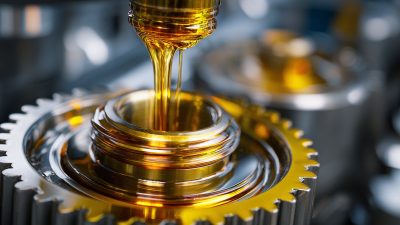
Mineral lubricants play a crucial role in enhancing engine performance, primarily by ensuring efficient operation and reducing wear. These lubricants, derived from refining crude oil, maintain their stability under high temperatures and pressures, providing consistent protection for engine components. Their ability to form a protective film minimizes metal-to-metal contact, which not only decreases friction but also helps in preventing engine overheating. This capability is vital for prolonging engine life and enhancing overall efficiency.
Another significant advantage of mineral lubricants lies in their superior cleansing properties. They effectively suspend contaminants and impurities, allowing them to be easily removed during oil changes. This ensures that the engine remains clean and operates smoothly, ultimately improving fuel efficiency. Additionally, mineral lubricants can help reduce emissions by promoting more complete combustion within the engine. This results in better torque delivery and performance, making them an optimal choice for engine maintenance and functionality. By leveraging these benefits, engine performance can be notably improved, leading to a more reliable and enduring vehicle operation.
Top 5 Benefits of Using Mineral Lubricants for Optimal Performance
| Benefit |
Description |
Impact on Engine Performance |
| Superior Lubrication |
Mineral lubricants provide effective lubrication, reducing friction between moving parts. |
Increased engine efficiency and reduced wear. |
| High Temperature Stability |
These lubricants maintain stability and performance at elevated temperatures. |
Prevents breakdown leading to longer engine life. |
| Cost-Effectiveness |
Mineral lubricants are generally more affordable than synthetic alternatives. |
Lower operating costs for vehicle maintenance. |
| Reduced Engine Deposits |
Mineral oils help minimize sludge and deposits inside the engine. |
Enhances overall performance and engine cleanliness. |
| Environmental Safety |
Mineral lubricants are often more biodegradable compared to synthetic oils. |
Lower environmental impact and compliance with regulations. |
Environmental Impact and Biodegradability of Mineral Lubricants
Mineral lubricants are increasingly recognized for their environmental benefits, particularly due to their biodegradability. Unlike synthetic counterparts, which can persist in ecosystems and contribute to pollution, mineral lubricants are typically derived from natural resources and often exhibit a lower level of toxicity. This natural origin allows them to break down more readily when released into the environment, thereby minimizing their long-term ecological footprint. Their decomposition process can be less harmful to flora and fauna, making mineral lubricants a more sustainable choice for various applications.
Moreover, the environmental impact of mineral lubricants extends beyond their biodegradability. These lubricants often require less energy to produce compared to synthetic formulations, leading to a smaller carbon footprint during their lifecycle. Additionally, the use of mineral lubricants can help maintain machinery efficiency, reducing the risk of leaks or spills that might otherwise contribute to environmental degradation. As industries increasingly prioritize sustainability, adopting mineral lubricants can enhance operational efficiency while also aligning with environmentally conscious practices.
Cost-Effectiveness of Mineral Lubricants in Industrial Applications
In industrial applications, the cost-effectiveness of mineral lubricants plays a crucial role in maintaining operational efficiency while managing budgets. Mineral lubricants are derived from refined petroleum products, providing a reliable and affordable option for various machinery and equipment. Their worldwide availability contributes to lower costs compared to synthetic alternatives. This affordability allows businesses to allocate more resources towards other essential areas, such as technology upgrades or workforce training, enhancing overall productivity.
Moreover, mineral lubricants offer excellent performance characteristics that align well with the needs of industrial operations. They effectively reduce friction and wear on machine parts, which extends the lifespan of equipment and minimizes maintenance costs. The thermal stability and lubricating properties ensure that machinery runs smoothly under various conditions, leading to less frequent breakdowns and downtime. Consequently, the long-term savings and efficiency improvements achieved through the use of mineral lubricants can significantly outweigh the initial purchasing costs, making them a wise investment for businesses aiming for optimal performance.
Best Practices for Selecting and Using Mineral Lubricants
When selecting mineral lubricants, it’s essential to consider key factors that will optimize their performance for your specific applications. First and foremost, viscosity is a critical parameter. According to a report by the National Lubricating Grease Institute, selecting the right viscosity grade can significantly impact lubrication efficiency and the protection of moving parts. Generally, a higher viscosity may be preferred for high-load applications, while a lower viscosity can reduce friction and improve energy efficiency under lighter loads.
Another important aspect is the additive package of the mineral lubricant. Synthetic and mineral-based lubricants often contain additives designed to enhance performance in various conditions. A study conducted by the American Society for Testing and Materials (ASTM) highlighted that the presence of anti-wear and extreme pressure additives can prolong the life of machinery and reduce wear rates by up to 30%. Therefore, it’s crucial to assess the operational environment and choose lubricants that employ appropriate additives tailored to specific use cases.
Lastly, it is vital to ensure proper storage and usage practices to maintain the integrity of mineral lubricants. According to a report by the Lubricants Industry Association, contaminants can significantly degrade lubricant performance, so it is recommended to store lubricants in a cool, dry place, away from direct sunlight. Proper application techniques, including using clean dispensing equipment, are equally important in preventing contamination and ensuring optimal performance in machinery. By following these best practices, you can maximize the benefits of mineral lubricants and improve overall operational efficiency.
Maximizing HVAC Efficiency and Longevity: Insights from Industry Reports on the ACPL-312S Compressor Lubricant
Maximizing HVAC efficiency and longevity is critical for both energy savings and equipment effectiveness. Industry reports indicate that the selection of compressor lubricants plays a pivotal role in maintaining optimal performance. The ACPL-312S compressor lubricant, formulated with three kinds of hydrogenated base oil, stands out due to its high thermal stability and excellent lubricating properties. This formulation enables it to significantly reduce wear and tear on compressor components, which enhances the longevity of HVAC systems.
Moreover, the addition of high-performance compound additives in the lubricant further elevates its effectiveness. These additives are designed to improve the fluid's viscosity stability and enhance its resistance to oxidation, thereby extending the maintenance intervals and reducing the overall operational costs associated with HVAC systems. According to recent studies, using advanced lubricants can lead to a reduction in energy consumption by up to 10%, highlighting the significant impact that proper lubrication has on both efficiency and lifespan of air conditioning units.
In conclusion, investing in quality compressor lubricants can lead to substantial benefits for HVAC systems. Insights from industry reports underscore the importance of utilizing formulations that combine hydrogenated base oils with high-performance additives, resulting in enhanced reliability and efficiency. As the HVAC industry continues to evolve, prioritizing such advancements will be essential for achieving optimal performance and sustainability.
FAQS
: Mineral lubricants are derived from refining crude oil.
Mineral lubricants typically consist of base oils combined with various additives to enhance their properties.
Approximately 70% of lubricants used in industries are mineral-based.
Excellent thermal stability allows mineral lubricants to maintain their viscosity and effectiveness even at high temperatures.
Mineral lubricants help ensure prolonged equipment life and reduce the need for frequent oil changes, minimizing operational downtime and costs.
Superior film strength creates a robust protective layer between moving parts, minimizing metal-to-metal contact and reducing friction.
Consider the specific operating conditions of your machinery; mineral lubricants are often more economical for standard conditions, while synthetic lubricants may be better for extreme conditions.
Additives, such as anti-wear agents and viscosity modifiers, enhance the lubricating properties and thermal stability of mineral oils.
Mineral lubricants are often cost-effective and readily available, making them suitable for users seeking reliable solutions without high costs.
Users should regularly monitor lubricant performance to identify any degradation over time, ensuring optimal protection for equipment.
Conclusion
Mineral lubricants, derived from refining crude oil, offer numerous advantages for optimal performance in various applications. Their unique composition provides key properties such as excellent lubrication, thermal stability, and effective protection against wear, making them highly beneficial for engine performance improvement. A comparative analysis reveals that while synthetic alternatives may offer specific advantages, mineral lubricants often excel in cost-effectiveness and availability, particularly in industrial settings.
Moreover, mineral lubricants demonstrate a lower environmental impact due to their biodegradability, aligning with increasing sustainability concerns in the industry. To maximize their benefits, it is essential to adopt best practices for selecting and using mineral lubricants, ensuring both efficiency and reliability in performance. Overall, mineral lubricants present a compelling choice for those seeking reliable and economical lubrication solutions.