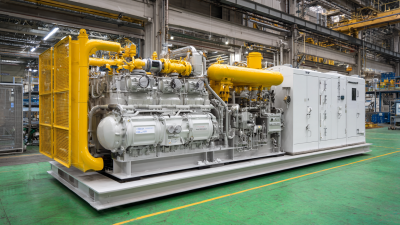
Taking good care of your air compressor really comes down to choosing the right lubricant. Trust me, a quality lubricant can make all the difference — it not only cuts down on friction but also helps prevent those pesky wear and tear issues on the moving parts. Picking the right one is super important if you want your compressor to last a long time.
There are quite a few brands out there offering different kinds of lubricants tailored for various compressor types. But here’s the thing: not all lubricants are made equal, and using the wrong kind can end up causing more harm than good. Some lubricants leave behind a lot of residue, which can lead to buildup in key components — and nobody wants that! It can get pretty frustrating, especially when it means costly repairs or downtime.
It’s also worth paying attention to what your specific compressor needs. Different conditions and uses might require different types of lubrication. Honestly, a lot of us tend to overlook how important regular maintenance and the right lubricant really are. Do a bit of research, and you'll be surprised how much it can improve your equipment’s efficiency. In the end, this kind of knowledge doesn’t just save you money — it can seriously extend the life of your compressor, keeping it running smoothly for years to come.
Air compressors are essential tools for various applications. They require proper maintenance to function optimally. One key aspect of maintenance is the use of quality lubricants. The right lubricant not only aids in reducing friction but also prolongs the lifespan of the compressor. It can enhance performance, ensuring that tasks are completed efficiently.
Choosing a lubricant should not be taken lightly. Not all lubricants are equal. Some are designed for specific compressor types and may not provide the needed protection for others. It’s crucial to understand the viscosity and compatibility of the lubricant with your air compressor. Inadequate lubrication can lead to overheating and increased wear on parts. Familiarizing yourself with your specific compressor’s needs is essential for effective operation.
Consider also how operating conditions affect lubricant performance. High temperatures and dust could degrade oil faster than expected. Regular checks and maintenance should include assessing lubricant quality. This may seem tedious, but it is important for avoiding larger mechanical failures. Ultimately, investing time in understanding air compressor lubricants will yield better efficiency and performance.
When choosing an air compressor lubricant, you often face a choice between mineral and synthetic options. Mineral oils are derived from refining crude oil. They are usually more affordable and offer adequate protection for basic applications. However, they can break down faster under high heat and pressure. This degradation can lead to increased wear on your compressor over time.
On the other hand, synthetic lubricants are engineered for improved performance. They withstand higher temperatures and provide better lubricity, which reduces friction and prolongs equipment life. While more costly, the potential for extended service intervals may justify the investment. It's important to consider the operational conditions of your compressor before making a decision.
Some users find that their compressors perform poorly with one type of lubricant. Switching from a mineral to a synthetic oil can sometimes resolve these issues. However, it’s essential to cleanse the compressor thoroughly before the change to prevent mixing. Recognizing the right lubricant for your specific needs may take some trial and error.
| Lubricant Type | Viscosity Grade | Temperature Range (°F) | Advantages | Disadvantages |
|---|---|---|---|---|
| Mineral Oil | ISO 32 | 32 to 140 | Cost-effective, readily available | Less thermal stability, can break down over time |
| Synthetic Oil | ISO 46 | -4 to 140 | Better thermal stability, longer service life | Higher initial cost |
| Blended Oils | ISO 32/46 | 32 to 140 | Combines features of both, good value | May not outperform pure synthetics |
| Vegetable Oils | ISO 32 | 32 to 120 | Environmentally friendly, biodegradable | Limited temperature range, can degrade |
| Esters | ISO 46 | -4 to 140 | Good lubricity, high flash point | Can be costly, sensitive to moisture |
When selecting an air compressor lubricant, understanding viscosity is crucial. Viscosity refers to a fluid's thickness and its resistance to flow. A higher viscosity means thicker oil, while lower viscosity indicates thinner oil. For air compressors, the right viscosity ensures that the lubricant efficiently coats moving parts, reducing friction and wear. It also helps in maintaining optimal performance during different temperature ranges.
Additives play a vital role in enhancing lubricant properties. They can improve oxidation stability and reduce foam formation. Some additives help in preventing corrosion, while others provide better high-temperature performance. However, not all additives are equally effective. Some may degrade over time, leading to potential issues. It's essential to choose a lubricant that balances these components effectively for long-lasting performance.
Choosing the right lubricant isn't always straightforward. Many users may overlook the importance of viscosity or the quality of additives. These choices can significantly impact the longevity of the air compressor. A lubricant lacking appropriate properties may cause parts to wear prematurely. Thus, even small decisions about lubricant types can have large implications for performance and durability.
Choosing the right lubricant for your air compressor is crucial. The quality of the lubricant directly affects the compressor's longevity and efficiency. Good lubricants reduce friction and wear, ensuring smooth operation. Conversely, inferior lubricants can lead to increased wear and potential failures.
Regular maintenance is vital. Many users overlook the importance of checking lubricant levels. A simple oversight can result in reduced efficiency and shorter lifespan. Ensure you select a lubricant with the right viscosity for your compressor type. This ensures proper lubrication at both high and low temperatures.
Consider how different environments impact lubricant performance. Dust, moisture, and temperature variations can affect lubrication. Assessing these factors will help you choose a suitable product. Regularly inspect the lubricant condition. Look for discoloration or impurities. These signs indicate that it may be time for a replacement. Making informed choices here can lead to significant savings in repairs and replacements over time.
This chart illustrates the average performance metrics of different lubricant types for air compressors, highlighting their impact on the longevity and efficiency of the compressors over time.
When selecting the right lubricant for air compressors, understanding the options is crucial. The performance of your compressor greatly depends on the quality of the lubricant used. High-quality lubricants ensure smoother operation, reduce friction, and extend the lifespan of the machine. There are different types available, ranging from synthetic oils to mineral oils. Each has its own benefits based on specific needs.
Synthetic lubricants provide better heat stability and improved performance in extreme conditions. They often perform well in varying temperatures. On the other hand, mineral oils are more cost-effective and offer satisfactory results for standard compressor tasks. Choosing the right lubricant also requires consideration of the manufacturer’s recommendations. Not all lubricants suit every compressor type.
In addition, regular monitoring of lubricant levels is essential. Low levels can lead to increased wear and tear. It is also important to replace oils based on usage frequency. Ignoring these aspects can result in costly repairs. Being aware of the specifics of various lubricants can greatly affect your compressor’s efficiency. Maintaining good practices can lead to lasting performance.
When selecting the right lubricant for air compressors, it's crucial to understand industry standards. A high-quality lubricant not only ensures optimal performance but also extends the life of the compressor. Look for oils that have a high flash point, as this indicates durability under heat. Multi-viscosity options can adapt to temperature changes more effectively, maintaining performance.
Pay attention to the oil's additives. Anti-wear, anti-oxidation, and detergent properties are essential for protection and cleanliness. The best lubricants reduce friction and wear, which enhances operational efficiency. Some lubricants promote cooler operation, which can significantly improve compressor longevity.
Consider your specific application when choosing a lubricant. Not all environments demand the same level of performance. High humidity, for example, can affect lubricant effectiveness. Regularly monitoring and changing oil based on usage can prevent unexpected breakdowns. Understand that even the best oils may not perform optimally in every situation. Always evaluate and adjust based on actual performance.
Changing and monitoring air compressor lubricant is crucial for optimal performance. Regular maintenance helps prevent equipment breakdown and extends the life of your compressor. A recent industry report highlighted that nearly 30% of compressor failures are due to inadequate lubrication. Understanding how to effectively manage lubricant can significantly reduce these risks.
To ensure your compressor runs smoothly, observe oil levels frequently. Regular checks can prevent overheating and wear. If the lubricant appears discolored or contains debris, it’s time for a change. It's recommended to replace the lubricant every 500 to 1,000 operating hours, depending on your compressor type and usage conditions. Many users overlook this detail, leading to preventable issues.
Additionally, monitoring factors like temperature and humidity can affect lubricant performance. High temperatures can degrade oil faster, while high humidity can introduce moisture. Both scenarios may compromise the lubricant's effectiveness. Adopt a proactive approach by keeping a maintenance log. Documenting these changes can reveal patterns and issues over time, ultimately improving reliability and performance.
The efficacy of machinery heavily relies on the quality of lubricants used, and when it comes to compressors, the ACPL-206 compressor lubricant stands out as a vital contributor to performance and longevity. This high-quality lubricant, formulated with hydrogenated base oil and a high-performance compound additive, plays an essential role in reducing friction and wear, which are critical factors in maintaining efficient operation. Industry reports indicate that proper lubrication can enhance the lifespan of mechanical components by 30% or more, demonstrating the substantial impact of utilizing superior lubricant formulations.
Lubrication quality is not merely a matter of choice but a strategic necessity for machinery operators. Research has shown that inadequate lubrication can result in significant energy losses and increased maintenance costs, with some estimates suggesting that nearly 40% of machinery failures are attributable to poor lubrication practices. By choosing a lubricant like ACPL-206, which is designed to deliver peak performance through advanced chemical properties, equipment operators can ensure that their compressors run smoothly, reducing operational downtime and enhancing productivity.
Furthermore, the thermal stability and oxidation resistance of high-performance lubricants are crucial in preventing the breakdown of oil at high temperatures, which can lead to sludge formation and further mechanical degradation. Utilizing a lubricant that incorporates cutting-edge additives can mitigate these risks, ensuring that machinery operates within optimal temperature ranges and continues to perform efficiently over time. The meticulous selection of lubricants, therefore, is not just a maintenance task; it’s an investment in the machinery's future.
: There are synthetic oils and mineral oils. Each type has unique benefits for specific needs.
High-quality lubricants enhance performance, reduce friction, and extend the machine's lifespan.
Synthetic lubricants offer superior heat stability and perform well in varying temperatures.
Mineral oils are cost-effective and can provide satisfactory results for standard compressor operations.
Regularly check lubricant levels and replace oils based on usage frequency.
Low levels can cause increased wear and tear, leading to costly repairs.
Look for high flash points, multi-viscosity options, and beneficial additives for optimal performance.
High humidity can reduce the effectiveness of certain lubricants, impacting overall performance.
Yes, always evaluate and adjust based on actual performance and specific application needs.
Yes, even high-quality oils may not perform well in every situation. Regular assessment is necessary.
Choosing the right air compressor lubricant is crucial for ensuring optimal performance and extending the lifespan of your equipment. Understanding the differences between mineral and synthetic lubricants is essential, as each type offers unique advantages. Key properties such as viscosity and specific additives play a significant role in reducing friction and promoting efficient operation.
Furthermore, the quality of the air compressor lubricant directly impacts both the compressor's longevity and efficiency. To achieve the best results, it's important to adhere to industry standards for lubricants and follow maintenance tips for changing and monitoring the lubricant effectively. By making informed choices about air compressor lubricants, users can enhance the performance and durability of their compressors.