0%

In the constantly changing world of industrial filtration, the Baghouse Dust Collector is still a crucial piece of the puzzle. Picking the right model isn’t just about specs — it’s about making sure you get efficiency and safety all in one go. Companies like Donaldson Torit and AAF International are really pushing the envelope when it comes to innovation. Their products do a good job catching dust, but let’s be honest — not every solution fits every setup perfectly.

Looking ahead to 2026, things look pretty exciting for Baghouse Dust Collector tech. We’re talking improved filtration and better energy efficiency becoming the norm. But of course, every business has to weigh different factors — what type of dust you’re dealing with, how much of it there is, and how much you’re willing to spend. It’s a balancing act, for sure. Some collectors are great for low-dust conditions but struggle when things get heavier.

Thinking back on past purchases can actually teach you a lot — did that one collector really live up to expectations? And don’t forget, regular maintenance often gets overlooked. It’s easy to forget that a Baghouse Dust Collector isn’t just something you set and forget — it needs a little TLC. In the end, knowing what you need and doing some research can make all the difference. The right investment can boost safety, cut down operational costs, and keep things running smoothly.

What is the Best Baghouse Dust Collector in 2026?

Overview of Baghouse Dust Collectors: Types and Functions

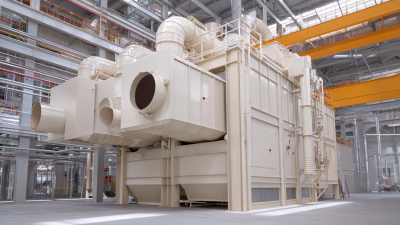
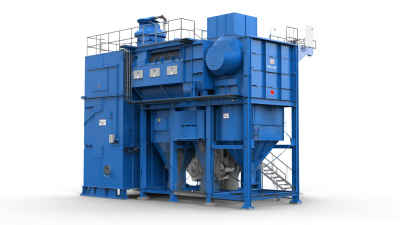
When it comes to baghouse dust collectors, understanding their types and functions is essential. These systems are critical in various industries, particularly in manufacturing and construction. They can capture harmful dust particles effectively, improving air quality and worker health.

Baghouse dust collectors typically include pulse-jet, shaker, and reverse-air types. Pulse-jet collectors perform well in high dust-load applications. They use compressed air to clean the bags, ensuring consistent airflow. In contrast, shaker collectors are simpler and operate by mechanically shaking the bags to remove dust. They are suitable for lower dust loads. According to industry reports, the global baghouse dust collector market is projected to grow by 4.6% annually, reaching over $5 billion by 2026.

Nevertheless, choosing the right type can be challenging. Factors such as dust properties, flow rates, and space constraints must be considered. Additionally, improper maintenance of these systems can lead to reduced performance. For example, if bags are not replaced timely, efficiency drops significantly. Hence, ongoing evaluations and adjustments are vital for optimal operation.

Key Specifications for Evaluating Baghouse Dust Collectors

When evaluating baghouse dust collectors, certain specifications are crucial. Dust collection efficiency is key. Most modern units offer an efficiency rate of over 99%. This means they capture nearly all airborne particles. High-efficiency filters make a significant difference. They reduce emissions and improve air quality in industrial settings.

Air-to-cloth ratio is another vital specification. This ratio determines the optimal airflow through the filter media. An ideal ratio often falls between 2:1 and 4:1 for industrial applications. However, some operations may experience issues if the ratio is too high. It can lead to increased pressure drop and higher energy costs. Regular monitoring is necessary.

Moreover, consider the filter's lifespan. Quality filters can last between 3 to 5 years. Yet, environmental factors such as humidity can impact longevity. Some users report that filters degrade faster in extreme conditions. Maintenance is also a critical aspect. A well-maintained system can enhance performance. However, many neglect routine checks, which can result in costly downtime. Evaluating these specifications carefully can prevent issues and improve overall efficiency.

Performance Metrics: Airflow Rate and Filtration Efficiency

What is the Best Baghouse Dust Collector in 2026?

In 2026, the focus on baghouse dust collectors centers around performance metrics: airflow rate and filtration efficiency. These metrics are crucial for industries aiming to maintain clean air standards. According to recent industry reports, a typical high-efficiency system achieves an airflow rate between 10,000 to 50,000 CFM. This range can accommodate a variety of operations.

Filtration efficiency is equally critical. Systems with an efficiency rating of over 99% are often preferred. However, achieving such high rates can be challenging. It requires regular maintenance and monitoring. Dust loading can impact performance. Filters may need replacement more often than anticipated. Manufacturers often underestimate this need, leading to inefficiencies.

Overall, industries should evaluate both airflow and filtration metrics closely. With varying operational demands, no one-size-fits-all solution exists. Companies may struggle to balance cost-effectiveness and performance. It’s essential to gather thorough data before making investments. A well-informed choice can lead to improved air quality and regulatory compliance, ultimately benefiting both the environment and public health.

Latest Technologies in Baghouse Dust Collection Systems

What is the Best Baghouse Dust Collector in 2026?

In 2026, the best baghouse dust collectors will leverage advanced technologies. These systems are crucial for industries striving to meet strict environmental standards. A recent report by the Environmental Protection Agency (EPA) highlights that effective dust collection can reduce airborne particulates by up to 95%. This statistic emphasizes the importance of cutting-edge filtration technology.

New innovations include smart sensors that monitor air quality in real time. These sensors can detect particle sizes and concentrations. That data helps optimize filter performance. Additionally, many systems now incorporate predictive maintenance features. This can minimize downtime by alerting operators to potential issues before they become critical. Real-time monitoring is becoming standard.

Despite these advancements, there are challenges to consider. The initial investment can be high. Moreover, not every facility is ready to adopt these technologies. Staff training is often required for effective implementation. These factors can slow down progress. Yet, the benefits in air quality and efficiency are hard to ignore. Prioritizing these modern systems will be essential for industries in the future.

Comparative Analysis of Leading Brands in 2026

In 2026, the market for baghouse dust collectors stands out. Brands are competing with advanced technologies and designs. Efficiency has become a key criterion for selection. Many systems are equipped with better filtration materials. This results in a more effective removal of fine particles.

Comparative analysis reveals that some models outperform others in airflow capacity. Users often note that maintenance plays a crucial role. Easy access to filters can save time. However, some designs are overly complex. Simplicity sometimes trumps elaborate features in practical applications.

Price remains a contentious topic. Higher costs do not always guarantee superior performance. Many users reflect on the balance between function and investment. Some options might have lower initial costs but higher long-term expenses. Feedback from industries showcases a range of experiences. Reliability can be inconsistent, leading to frustration. The quest for the best baghouse dust collector continues, as preferences evolve in dynamic markets.

Regulatory Standards Impacting Baghouse Dust Collector Selection

The choice of a baghouse dust collector is heavily influenced by regulatory standards. These standards dictate not only emissions limits but also operational compliance. In 2026, the EPA has set stricter guidelines for particulate matter emissions. Facilities must reduce emissions to below 0.05 gr/dscf to meet these new requirements. This number impacts design choices and efficiency metrics.

Documented industry findings reveal that improper selection can lead to fines. In fact, non-compliance costs facilities up to $20,000 per day. Industries must conduct thorough assessments of their processes. This is crucial to determine the right collector. With varying dust characteristics, one size does not fit all. Some emit dust with a high moisture content, while others may create highly flammable dust particles.

Several reports highlight that many facilities still operate outdated models. These round designs may not meet 2026 standards. Facilities need to rethink their approach. Investing in modern filtration technologies might seem expensive initially, but it can lead to substantial savings later. Upgrading could be the difference between compliance and hefty penalties.

Cost-Benefit Analysis: Investment vs. Long-term Efficiency

When considering a baghouse dust collector, the cost-benefit analysis is crucial. Upfront investment can seem high. However, long-term efficiency often outweighs those costs. Many facilities notice significant savings in operational expenses over time. A well-performing baghouse can drastically reduce energy consumption and maintenance needs.

The efficiency of a dust collector also relates to its filtration capabilities. Better filtration means cleaner air and a healthier workplace. This aspect often leads to regulatory savings. Complying with environmental standards can be expensive. Investing in an efficient dust collector may avoid fines and promote worker well-being.

Yet, not every option suits every industry. Some facilities may face challenges. Budget constraints can limit the purchasing choices. Maintenance schedules might remain inconsistent. Balancing initial costs with future savings demands careful consideration. Do the calculations align with your facility's specific needs? Evaluate different types, sizes, and configurations. It's essential to weigh these factors before making a decision.

What is the Best Baghouse Dust Collector in 2026? - Cost-Benefit Analysis: Investment vs. Long-term Efficiency

Enhancing Dust Collection Efficiency: Insights from 2023 Industry Reports on Cartridge Filter Performance and Market Trends

In the realm of dust collection systems, enhancing efficiency is paramount, particularly as industry standards evolve through insights gleaned from recent reports. A critical component that has emerged as a game changer is the advanced cartridge filter, which leverages unique design innovations to maximize filtration performance. The concave fold pattern of these filters creates an expansive effective filtration area that ensures 100% efficiency, allowing for optimal dust collection in various industrial environments.

Furthermore, the durability of these filters has been significantly improved through the use of cutting-edge technology in the development of specialized adhesives. This results in stronger bonds that can withstand challenging operational conditions. The optimal fold spacing facilitates uniform filtration, which not only stabilizes airflow throughout the spray room but also simplifies the cleaning process. The curved transition at the top of the folding design enhances the effective filtration area, further maximizing both filtration efficiency and the longevity of the filters. These advancements are essential for industries striving to maintain high standards of air quality and operational effectiveness while adapting to market trends indicated in the latest reports.

FAQS

: What is the main purpose of the product?

: The product is designed to simplify daily tasks and increase efficiency.

How do you use the product?

Follow the instructions carefully. You can get started in just a few steps.

What are the benefits of using this product?

Users often experience improved organization and time management. It can save you precious hours.

Is there any training required?

Initial set-up may require some guidance. Still, many users find it intuitive.

Can I use it in different environments?

Yes, it can adapt to various settings. However, performance may vary based on conditions.

Are there any common issues users face?

Some users report minor difficulties in the first few uses. Patience is key, and practice helps.

How can I seek help if I encounter problems?

Customer support is available. Community forums can also offer valuable insights.

Is there a money-back guarantee?

Yes, a satisfaction guarantee is offered. Check the policy for details.

Are there any optional accessories?

Yes, optional accessories can enhance functionality. However, they're not essential for basic use.

How long does it take to see results?

Results vary based on individual use. Reflection on habits may lead to quicker improvement.

Conclusion

The article "What is the Best Baghouse Dust Collector in 2026?" provides a comprehensive overview of baghouse dust collectors, highlighting their various types and functions. It outlines key specifications for evaluating these collectors, such as airflow rate and filtration efficiency, which are critical performance metrics. Additionally, the article explores the latest technologies being integrated into baghouse dust collection systems, ensuring increased effectiveness and sustainability.

Furthermore, the analysis includes a comparative review of leading brands in the industry as of 2026, considering regulatory standards that influence the selection process for baghouse dust collectors. Finally, a cost-benefit analysis is presented, weighing initial investment against long-term efficiency benefits, guiding businesses in making informed decisions on their dust collection needs.

Isabella

Isabella

Isabella is a dedicated marketing professional specializing in integral lubrication solutions, with a keen focus on high-temperature chain lubricants. With extensive knowledge of the company's core products, which include compressor lubricants, vacuum pump lubricants, and refrigerated compressor......
Previous Advantages of Using the Best Reliant Dust Collector 720 for Your Manufacturing Needs