0%

Hey, in today's manufacturing world, keeping the air clean isn’t just a good idea—it’s pretty much essential. Having a good Dust Collector Machine for your factory can really make a difference, you know? Dust buildup can slow down your workflow and even pose health risks to the crew. So, picking the right equipment isn’t just about efficiency; it’s about safety too.

Big names like CleanAir Solutions and DustMaster have really stepped up their game, offering machines that fit a bunch of different factory needs. Modern models often come with great features like super-efficient filters and controls that are easy to use—really making things smoother on the shop floor. These innovations can help you tackle the unique challenges you face with your production line.

But, honestly, choosing the perfect Dust Collector Machine for your factory isn’t exactly a walk in the park. Things like the size of your workspace, the kind of dust you’re dealing with, and how much you’re willing to spend all matter. Plus, it’s worth thinking about long-term costs—maintenance, operation, that sort of thing. It might seem overwhelming at first, but taking the time to find the right fit will pay off with better productivity and a healthier, happier work environment.

Best Dust Collector Machine For Factory Production Needs?

Understanding Dust Collector Machines: An Overview

Dust collector machines play a crucial role in factory production. They help maintain air quality by removing harmful dust and particles. Factories generate a lot of dust during operations. This can lead to health risks for workers. Understanding how these machines work is essential for ensuring safety and efficiency.

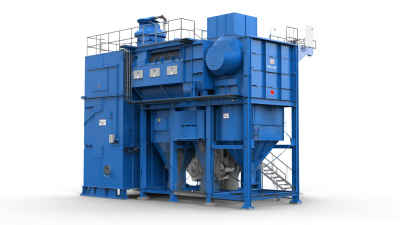
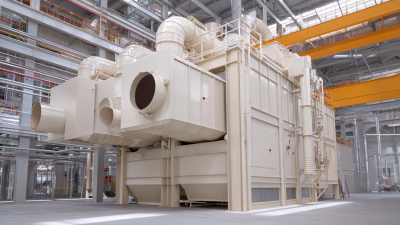
A dust collector operates by capturing airborne dust. It uses filters, fans, and separators to clean the air. Some machines are best for specific types of dust. For instance, wood dust requires different filtration than metal dust. Choosing the right machine is important. It can impact productivity and safety.

Maintenance is vital for dust collectors. Regular checks ensure they function correctly. Clogged filters decrease performance. Workers should be trained on how to maintain these systems. Investing time in proper cleaning can prevent future issues. Each factory has unique needs. Tailoring solutions can lead to improved efficiency. It’s not a one-size-fits-all situation. Therefore, careful consideration is needed when selecting equipment.

Best Dust Collector Machine For Factory Production Needs

Model Airflow (CFM) Filter Type Dust Capacity (Gallons) Noise Level (dB) Power (HP)
DC-1000 1000 HEPA 10 75 2
DC-2000 2000 Cartridge 15 80 3
DC-3000 3000 Bag 20 85 5
DC-4000 4000 Cyclone 25 90 7.5

Key Factors to Consider When Choosing a Dust Collector

When selecting a dust collector machine for factory production, there are key factors to consider. Firstly, assess the type of dust generated. Different materials create varying dust characteristics, like particle size and weight. According to the American Industrial Hygiene Association, fine particulate matter can pose severe health risks when inhaled. Knowing your dust type helps in selecting the appropriate filtration technology.

Consider the airflow requirements of your production space. The efficiency of a dust collector greatly depends on proper airflow. A well-designed system will maintain sufficient air velocity to capture dust without excessive energy consumption. Reports indicate that a properly sized and installed dust collection system can reduce energy costs by 20-40%.

Tip: Always measure your workspace carefully. Ensure the dust collector's airflow can handle the entire area.

Finally, look into maintenance needs. Regular upkeep is crucial for long-lasting performance. Some machines have complex filter systems that might incur high maintenance costs over time. This can lead to downtime and production loss. A reliable system should combine efficiency with manageable maintenance demands.

Tip: Track filter usage regularly to avoid unexpected costs.

Dust Collector Performance Comparison

Types of Dust Collector Machines Used in Factories

Dust collector machines are essential for maintaining a clean environment in factories. Various types serve different production needs, ensuring optimal efficiency and safety. Baghouse collectors are common; they use fabric filters to capture dust particles effectively. Cyclone collectors also play a vital role; they remove large particles using centrifugal force. Cartridge dust collectors offer a compact solution, ideal for smaller spaces.

Tips: Regular maintenance enhances performance. Check filters often. A clean filter ensures maximum airflow.

Wet scrubbers are useful in specific scenarios. They use water to trap dust and contaminants. This method is effective for sticky or hazardous materials. However, they require more resources and management. Balance your choice with the production environment and material handled.

Turbulence can create issues. Ensure good airflow design to minimize dead zones. Assess your factory layout to improve dust management. Communication among team members is crucial. Discuss any inefficiencies openly. Continuous improvement leads to a cleaner workspace.

Assessing the Dust Collection Needs of Your Production Line

Assessing the dust collection needs of your production line is crucial for maintaining a clean and safe environment. Every factory has unique challenges when it comes to dust management. Identifying the types of materials you handle is the first step. Are they fine powders, wood shavings, or something else? Each type requires different collection methods.

Tips: Evaluate the airflow requirements. A system that is too weak will leave dust unmanaged. Measure the volume of dust generated during production. This will inform the size and efficiency of the dust collector you need. Regularly inspect and maintain the system. Dust can accumulate in hard-to-reach places, affecting performance.

Another critical aspect is the placement of dust collection units. Position them close to dust-generating machinery. This reduces the distance dust has to travel and improves collection efficiency. Remember, employee feedback is invaluable. They can highlight specific problem areas that may need further attention.

Tips: Consider variable speed controls. These can adjust the suction based on production levels. This adaptability can save energy and enhance dust management performance. Don't overlook the importance of proper training for staff. Ensure everyone understands the importance of a clean workspace.

Comparing Features of Top Dust Collector Brands

When it comes to selecting the best dust collector for factory production needs, understanding various features is crucial. Different models offer different capacities, filtration efficiencies, and energy needs. Some systems work better for specific industries like woodworking or metalworking. Choice of a dust collector must align with the type of materials being processed in your facility.

Another essential consideration is the noise level of the unit. Some collectors operate quietly, helping maintain a comfortable work environment. Others can be quite loud, which might not suit all workplaces. Additionally, the ease of maintenance varies among models. Ease of filter replacement and cleaning intervals can influence overall operational costs.

Manufacturers often promote their products based on performance metrics. It's important to scrutinize these claims. Real-world performance can differ from advertised specs. End-users may find that features like portability or compact design play significant roles in daily operations. Collecting feedback from current users can provide valuable insights. Prioritize reliability over brand reputation when making your decision.

Maintenance Tips for Optimal Dust Collector Performance

Dust collectors play a crucial role in maintaining air quality in factory settings. However, their efficiency can decline over time without proper maintenance. Regular inspections are essential. According to a report from the National Institute for Occupational Safety and Health (NIOSH), workplaces with efficient dust collection systems can reduce airborne particles by up to 90%. Neglecting maintenance can result in increased energy use and decreased effectiveness.

One vital aspect of maintenance is monitoring filter condition. Clogged filters can hinder airflow and increase operational costs. A study indicated that regular filter replacements can improve performance by up to 20%. Utilizing differential pressure gauges can help track filter status effectively. Additionally, ensuring that ductwork is clear from blockages is another key maintenance point. Dust buildup in ducts can significantly impair system performance.

Equipment should be cleaned regularly. Neglected dust collectors can lead to explosions, especially in environments dealing with combustible materials. Training staff on regular checks and maintenance routines improves reliability. Weekly visual inspections can help catch early signs of wear. When downtime occurs, it’s important to reflect on root causes. Sometimes, the choice of dust collection systems may not fit the specific application needs, which can exacerbate maintenance challenges.

Cost Considerations and Budgeting for Dust Collection Systems

When considering the best dust collector machine for factory production, budgeting is crucial. The initial investment can vary significantly, depending on the size and technology of the dust collection system. Smaller operations may find more affordable options. Larger factories often need robust systems that can be costly but essential for worker safety and compliance.

Establish a clear budget by assessing your specific needs. Think about the volume of dust generated and the required suction power. Factor in installation costs and ongoing maintenance. Don’t overlook the cost of filters, which can add up over time. This approach allows for a more accurate budget.

**Tips:** Always compare multiple suppliers for pricing. Seek expert advice when selecting a system to avoid overspending. Financing options may also be available to ease upfront costs. Additionally, consider long-term energy savings; efficient systems can significantly reduce operational expenses in the long run.

FAQS

: What are the main types of dust collector machines in factories?

: Common types include baghouse collectors, cyclone collectors, and cartridge dust collectors. Each serves different needs.

How important is regular maintenance for dust collectors?

Regular maintenance is crucial. It enhances performance and ensures filters are clean for maximum airflow.

Why might wet scrubbers be used?

Wet scrubbers use water to trap dust and contaminants. They are effective for sticky or hazardous materials.

What factors influence the choice of a dust collector?

Key factors include material types, filtration efficiencies, and noise levels of the equipment. Consider your specific environment.

Why should filter condition be monitored?

Clogged filters reduce airflow and increase costs. Regular replacements can significantly improve overall efficiency.

How can turbulence affect dust collection?

Turbulence can create dead zones. Good airflow design and factory layout assessment can help alleviate this issue.

What regular checks improve dust collector efficiency?

Weekly inspections can catch signs of wear. Clear ductwork and monitor filters for effective operation.

What should be considered about equipment cleanliness?

Neglecting dust collectors can lead to safety hazards. Regular cleaning is essential, especially in combustible environments.

How can team communication enhance maintenance?

Open discussions about inefficiencies help identify problems. Communication fosters a culture of continuous improvement.

Why is real-world performance important when choosing a dust collector?

Advertised specs may not reflect actual performance. User feedback can provide valuable insights for informed decisions.

Conclusion

In modern manufacturing environments, selecting the right dust collector machine for factory production needs is essential for maintaining a clean and safe workspace. Understanding the various types of dust collector machines and assessing the specific dust collection requirements of your production line are crucial first steps. Important factors to consider include the efficiency, capacity, and compatibility of the dust collector with existing systems.

Furthermore, when comparing features of different dust collector machines, it's vital to evaluate maintenance requirements and ensure that costs align with your budgeting plans. Regular maintenance tips can enhance the performance of these machines, ultimately leading to improved productivity and compliance with safety standards. By carefully considering these aspects, businesses can make informed decisions that best meet their dust collection needs and optimize factory operations.

Liam

Liam

Liam is a dedicated marketing professional with a profound expertise in the lubrication industry, specializing in high-temperature chain lubricants and integral lubrication solutions. With a focus on compressor lubricants, vacuum pump lubricants, and refrigerated compressor lubricants, he is......
Previous How to Choose the Best Welding Smoke Dust Collector?