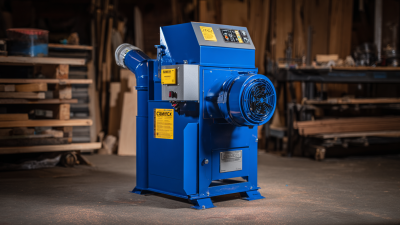
When it comes to industrial settings, safety really isn’t something to take lightly. Fume Extraction Arms are super important for keeping workers safe from all those nasty airborne contaminants. As Dr. Sarah Thompson from AirSafe Solutions puts it, 'Effective fume extraction isn’t just a box to check—it’s a real commitment to protecting people's health.' Picking the right Fume Extraction Arm can actually make a big difference in how clean the air is and how safe everyone feels on the job. These systems do a great job of pulling harmful fumes right from the source, which helps cut down on exposure risks. There are different models out there, so it’s worth taking the time to figure out what will work best for your specific situation.
That said, not all extraction arms are built the same. Some designs just don’t perform well in certain environments, and if you’re not keeping them in check with regular maintenance, things can go downhill pretty quick. It’s easy to overlook, but neglecting these systems can lead to less-than-ideal efficiency. Plus, it’s really important to train workers on how to use them properly—after all, every little detail counts when you’re trying to keep everyone safe. And don’t forget, partnering with experienced suppliers can make all the difference. They can help you sort through the options and set you up for success with the best equipment for your needs.

Overview of Fume Extraction Arms in Industrial Settings
Fume extraction arms play a crucial role in industrial settings, particularly where
hazardous fumes and particulates are generated. According to the American National Standards Institute
(ANSI), effective fume extraction systems reduce exposure to airborne pollutants by up to 90%. This statistic underscores the importance
of having reliable equipment that captures harmful contaminants at the source.
In various industries, such as welding and automotive manufacturing, workers are often faced with toxic emissions.
A study from the Occupational Safety and Health Administration (OSHA) indicates that unfiltered fumes can
lead to long-term respiratory issues. Fume extraction arms provide a targeted solution, ensuring workers
maintain a safe environment. However, it is vital to assess the arms' configuration. A poorly positioned
arm can fail to capture emissions effectively, potentially compromising air quality.
While fume extraction arms offer significant benefits, they are not infallible. Maintenance is essential to ensure optimal function. Clogged filters can lead
to diminished performance. Regular inspection is necessary to avoid pitfalls. Industry professionals
must recognize that effective fume extraction involves both quality equipment and diligent upkeep.
Types of Fume Extraction Arms Suitable for Different Applications
Fume extraction arms are essential in various industrial applications. They capture harmful fumes and particulates effectively. Different types of extraction arms cater to specific needs. Let’s delve into a few suitable options.
For welding applications, articulated arms are popular. They provide flexibility and reach. Their design helps in positioning near the source of fumes. A well-placed arm significantly improves air quality. However, they may require regular maintenance to function optimally.
In laboratories, another type stands out. Portable fume extraction arms offer convenience. They can easily be moved and adjusted according to the workspace. Such arms are crucial for protecting personnel from hazardous substances. Nonetheless, their limited range can be a drawback in larger settings.
In environments where chemicals are used, ducted fume arms are often preferred. These systems connect to a central ventilation system. They ensure constant airflow and removal of contaminants. However, the installation can be complex and costly, leading to potential oversights in planning.
Key Features to Consider When Selecting a Fume Extraction Arm
When selecting a fume extraction arm for industrial use, several key features stand out. One crucial aspect is the airflow capacity. A study by the American Industrial Hygiene Association highlights that fume extraction systems must be able to draw air at a minimum speed of 100 feet per minute for effective contaminant capture. This ensures that hazardous fumes are efficiently removed from the workspace.
Another important factor is the arm's flexibility and reach. A well-designed arm can maneuver in tight spaces. Significant reach allows the operator to position it accurately near the source of fumes. Ergonomics matter too. An easy-to-adjust arm reduces user fatigue. Workers are more productive when they don’t struggle with equipment adjustments.
Material durability is non-negotiable. Fume extraction arms encounter harsh chemicals and heat. Investing in high-quality materials enhances longevity. However, some models may face wear and tear over time, which could lead to system inefficiencies. Regular maintenance should not be overlooked, as it keeps systems functioning at optimal levels. Choosing the right fume extraction arm requires careful consideration, incorporating these features while reflecting on long-term use and operational reliability.
Best Fume Extraction Arm Options for Industrial Use
| Model |
Extraction Capacity (m³/h) |
Arm Reach (m) |
Weight (kg) |
Adjustability |
Price Range (USD) |
| Model A |
300 |
2.5 |
25 |
Yes |
$1500 - $2000 |
| Model B |
400 |
3.0 |
30 |
Yes |
$2000 - $2500 |
| Model C |
250 |
2.0 |
20 |
Limited |
$1000 - $1500 |
| Model D |
500 |
3.5 |
35 |
Yes |
$2500 - $3000 |
| Model E |
350 |
2.2 |
28 |
Yes |
$1200 - $1800 |
Benefits of Using Fume Extraction Arms in Industrial Workspaces
In industrial settings, fume extraction arms are essential for maintaining a safe work environment. These devices capture harmful fumes, dust, and particles at the source, preventing them from contaminating the air. This is particularly crucial in welding, chemical processing, and woodworking jobs, where exposure to hazardous substances is a constant concern. Proper installation and maintenance of these systems are vital to ensure they function effectively.
Using fume extraction arms offers multiple benefits. They significantly reduce airborne pollutants, which lowers health risks for workers. A cleaner workspace also boosts productivity and morale. Efficient systems can adapt to various workpieces and processes, allowing for flexibility. However, some facilities may struggle with integrating these systems into existing setups. It requires careful planning and periodic evaluation. Regular inspections are also necessary to avoid unexpected downtimes.
Moreover, these systems can be costly upfront, yet they contribute to long-term savings by reducing health-related absences. Workers’ satisfaction improves with cleaner air. Still, it's essential to consider the specific needs of each workspace. What works for one facility may not work for another. Continuous feedback from employees can lead to better design choices and implementations.
Installation and Maintenance Guidelines for Fume Extraction Arms
Fume extraction arms are essential in industrial settings for maintaining air quality. Proper installation and maintenance are crucial. Begin by positioning the extraction arm near the source of harmful fumes. Ensure that it is securely mounted to prevent movement during operation. Adjust the arm's reach so it can effectively capture pollutants without causing obstruction.
Regular maintenance checks are vital for optimal performance. Inspect the ductwork for blockages and leaks. Ensure that filters are replaced on a scheduled basis. Neglecting this can lead to reduced efficiency. Use a gauze or mesh screen to prevent larger particles from clogging the system. Frequent cleaning helps extend the life of the equipment.
Be aware of potential challenges, such as difficulty accessing certain areas for maintenance. Planning for easy access can save time and effort. Listening to employee feedback can highlight issues not immediately visible. Accurate documentation of maintenance activities aids in tracking performance over time. Prioritizing these guidelines supports a safer, healthier work environment.
Fume Extraction Arm Performance Analysis
This chart illustrates the average airflow efficiency (in CFM) and filter replacement frequency (in months) of various fume extraction arm models used in industrial applications. The data highlights the importance of selecting appropriate equipment based on performance and maintenance needs.
Top Brands and Models of Fume Extraction Arms Reviewed
Fume extraction arms play a crucial role in maintaining air quality in industrial settings. Selecting the right model can significantly enhance safety and efficiency. Many arms are designed with flexibility in mind. This allows for easy positioning over workstations. However, not all options are equal. Some may lack the necessary airflow rates to effectively remove harmful substances.
When considering various models, it’s essential to examine materials and construction. Durable options often feature high-temperature resistance. This is important for specific applications. The joint mechanisms should also be robust. A weak joint can lead to misalignment, diminishing extraction efficiency. Observing user reviews can provide insight into common issues. Frequent complaints about noise levels or vibration may indicate reliability concerns.
While many brands tout their advanced features, real-world performance is different. Some arms may have complex installation processes, leading to frustration. The effectiveness of a fume extraction system is only as good as its maintenance. Regular checks can reveal performance drop-offs over time. It’s crucial to think critically about the long-term viability of any chosen arm. Quality should not be compromised for price, as safety is paramount.
Regulatory Standards and Safety Compliance for Fume Extraction Systems
Fume extraction systems play a crucial role in maintaining a safe industrial environment. Compliance with regulatory standards is vital. OSHA regulations mandate that workplaces must minimize exposure to hazardous fumes. According to recent industry reports, nearly 60% of workers exposed to toxic substances experience health issues. These problems can be avoided by ensuring proper fume extraction practices are in place.
Several key guidelines exist for fume extraction systems. The ACGIH recommends using Local Exhaust Ventilation (LEV) to effectively control airborne contaminants. The system must be designed to capture pollutants at their source. However, many facilities fail to implement or maintain these systems properly. In a survey, 30% of industries reported non-compliance with established safety standards. This reveals a significant gap that can jeopardize worker safety.
Choosing the right fume extraction arm is essential for effective operation. Many systems are designed for specific tasks. Proper installation and regular maintenance are necessary to ensure compliance. Neglecting these factors can lead to inefficiencies. A recent study indicated that poorly maintained systems can lose up to 50% of their efficiency over time. This highlights a pressing need for continuous evaluation of safety measures in industrial settings.
FAQS
: Airflow capacity is crucial. It should draw air at 100 feet per minute for effective fume capture.
A flexible arm can maneuver in tight spaces, allowing accurate positioning near fume sources.
Easy adjustments reduce user fatigue. This leads to improved productivity and comfort during operation.
High-quality materials are essential for durability. They withstand harsh chemicals and heat over time.
Regular checks are vital. Inspect ductwork for blockages and replace filters as scheduled.
Neglecting maintenance may lead to reduced efficiency and operational issues.
Proper installation near fume sources and secure mounting prevent movement, enhancing performance.
Difficulty accessing certain areas can complicate maintenance tasks. Planning for access helps.
Accurate documentation helps track performance over time, ensuring efficient operation.
Listening to feedback can reveal hidden issues, leading to better maintenance and performance.
Conclusion
Fume Extraction Arms are essential tools in industrial settings, designed to protect workers from harmful airborne contaminants. These versatile systems vary in design and functionality to suit different applications, making it crucial to choose the right type based on specific workspace needs. Key features to evaluate when selecting a Fume Extraction Arm include flexibility, reach, and suction power, all of which contribute to effective contaminant removal.
Utilizing Fume Extraction Arms in industrial environments offers significant benefits, such as improved air quality, enhanced worker safety, and compliance with regulatory standards. Proper installation and maintenance are vital to ensure optimal performance and longevity of these systems. Understanding the key factors and guidelines will help businesses select the most suitable Fume Extraction Arm, ultimately fostering a safer and healthier working environment.