Industrial dust collectors really play a crucial role in keeping your workplace clean and safe. I mean, according to the U.S. Environmental Protection Agency, dust from industrial processes can be pretty dangerous for health. It can cause all sorts of respiratory problems and maybe even long-term illnesses if workers breathe in hazardous particles day in and day out. And get this — OSHA reports that nearly 2 million workers are exposed to dust every single year. That’s a huge number, right?
So, investing in a good dust collector isn’t just about safety — it actually boosts productivity too. Dust buildup can mess with equipment, leading to more breakdowns, longer downtimes, and higher maintenance costs. A study from the National Institute for Occupational Safety and Health even found that a properly designed dust collection system can cut airborne dust levels by over 90%! But here’s the tricky part — choosing the right system isn’t always straightforward. Honestly, a lot of businesses get stuck trying to figure out what setup works best.
Knowing why dust collection systems are so important and what they really do is super essential. If the system isn’t efficient enough, dust hazards can still slip through. Plus, figuring out the right specs for your particular needs takes some serious thought — sometimes it’s worth bringing in experts. Every business is different, and it’s key to make sure your system keeps everyone safe while also staying compliant with regulations.

What is an Industrial Dust Collector?
An industrial dust collector is a crucial system for many businesses. It efficiently removes harmful dust and particles from the air. In various industries, the presence of airborne contaminants can lead to serious health issues. According to the U.S. Occupational Safety and Health Administration, exposure to hazardous dust can cause respiratory diseases.
These systems vary in design and capacity. They often feature filters, fans, and ducts to capture dust at its source. For example, baghouse collectors are popular due to their ability to handle large volumes of dust. A recent report indicated that effective dust collection systems can improve indoor air quality by up to 90%. However, not all collectors perform equally. Some facilities may overlook maintenance, leading to decreased efficiency over time.
Investing in a quality dust collector can yield significant returns. Companies can experience reduced downtime and lower healthcare costs by minimizing dust exposure. Yet, many businesses still hesitate. The initial investment may be daunting. Additionally, the need for regular inspections adds to operational costs. Balancing these factors requires thoughtful consideration.


Maximizing Efficiency: Insights from Industry Reports on Cartridge Filter Systems for Dust Collector Applications
In the realm of dust collector applications, maximizing efficiency is paramount for achieving optimal performance and operational sustainability. Insights derived from industry reports highlight the importance of advanced cartridge filter systems designed to enhance filtration efficacy. A notable feature of these systems is the unique concave fold pattern design, which guarantees a 100% effective filtration area. This innovative design not only maximizes operational efficiency but also significantly contributes to the overall longevity of the filter.
Durability is another critical consideration in cartridge filter systems. Employing cutting-edge technology, these systems utilize specialized adhesive formulations that ensure robust bonding of the filter cartridge. The optimal fold spacing plays a vital role in maintaining uniform filtration across the entire surface area, effectively reducing pressure differences within the filter elements. As a result, airflow stability is enhanced throughout the collection environment, facilitating easier cleaning processes and upkeep.
Additionally, the design principles incorporate a curved transition at the folding tops, which further increases the effective filtration area. This enhancement not only maximizes filtration efficiency but also prolongs the service life of the filters. The incorporation of elastic materials, coupled with a low hardness single ring sealing element, fortifies the overall structural integrity, ensuring sustained performance in demanding operational settings. These advancements make cartridge filter systems not only a cost-effective choice but also a vital solution for industries seeking efficiency in their dust collection processes.

FAQS
: The product aims to improve daily convenience. It enhances efficiency in tasks for users.
It functions through a simple interface. Users can input their preferences easily.
Generally, it is safe with proper use. However, some users may experience minor issues.
The longevity varies. Regular maintenance can help extend its life.
Yes, it supports various functions. Users can switch tasks without hassle.
Try resetting it first. If issues persist, refer to troubleshooting guides.
Yes, some features may not be accessible. Users need to be aware of this.
Cleaning involves simple steps. Use a soft cloth and avoid harsh chemicals.
Check the online support resources. They provide detailed guides and FAQs.
Yes, a return policy exists. Read the guidelines for eligibility and process.
Conclusion
An Industrial Dust Collector is a crucial system designed to capture and remove dust and particulate matter from industrial environments. The key benefits of using an Industrial Dust Collector include improved air quality, enhanced worker safety, and compliance with environmental regulations. Various types of dust collectors, such as baghouses and cyclones, cater to different industrial needs, highlighting the importance of selecting the right system based on operational requirements.
When choosing an Industrial Dust Collector, factors such as the type of dust generated, system efficiency, and maintenance procedures should be carefully considered. Moreover, adherence to regulatory compliance and safety standards cannot be overlooked, as these systems play a vital role in ensuring a safe workplace. Lastly, cost considerations for implementing dust collection systems are important for businesses aiming to balance efficiency and budget. By investing in a quality Industrial Dust Collector, companies can create a healthier environment while optimizing their operational processes.
Related Posts
-

How to Choose the Right Industrial Dust Collector for Your Business Needs
-
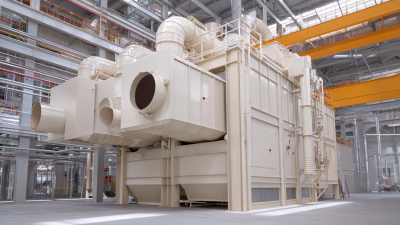
Innovative Applications of Jet Dust Collector Dc-1200 in Modern Industry
-

Maximizing Industrial Efficiency with Advanced Dust Collector Systems and Solutions
-

The Ultimate Guide to Choosing the Right Dust Collector for Your Workshop
-

What is a Dust Collector Cartridge and How Does it Work in Air Filtration
-

Top 10 Essential Tips for Choosing the Right Dust Collector for Your Needs
