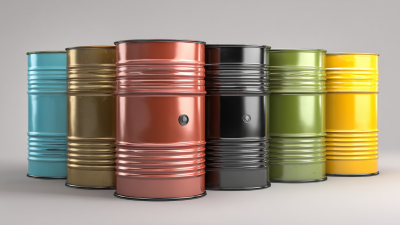
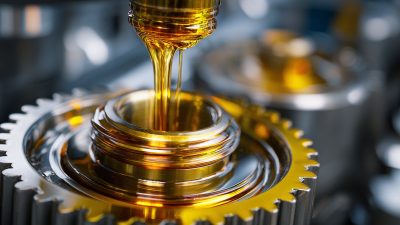
Choosing the right Mineral Lubricant is crucial for various applications. According to James Thompson, an expert at Lubricant Solutions Inc., "Not all mineral lubricants are created equal." This statement underscores the importance of understanding your specific needs.
Mineral lubricants come in different formulations. Each serves distinct functions across machinery, automotive, and industrial uses. A mismatch can lead to inefficient performance and increased wear and tear. This is often overlooked, yet it can have significant long-term effects.
When selecting a mineral lubricant, consider viscosity, additives, and application. These factors play a critical role in effectiveness. Yet, many users make blind choices, often regretting their decisions later. A careful evaluation is vital. Don't rush this important selection process; reflect on what suits your equipment best.
Understanding Mineral Lubricants: An Overview
Mineral lubricants are derived from refined petroleum. They play a crucial role in reducing friction and wear in machinery. This natural resource has been used for many years. Yet, not all mineral lubricants are created equal. Their composition varies widely, impacting their performance. Choosing the right one requires understanding these differences.
When considering a mineral lubricant, think about viscosity. It affects how well the lubricant flows and protects. A thicker lubricant may offer better protection under heavy loads. However, it can also lead to more resistance. The balance between viscosity and application is vital. Different machinery requires different viscosities for optimal performance.
Consider the operating temperature as well. Some lubricants perform poorly under high heat. Others may break down faster. Researching technical specifications is key. Also, keep in mind that environmental factors can impact your choice. Slight mistakes in selection can lead to significant issues later. Taking time to evaluate your options helps avoid expensive repairs.
Types of Mineral Lubricants and Their Applications
When selecting mineral lubricants, understanding their types is crucial. There are several categories available. Each type has unique properties. This influences their specific applications. For instance, paraffinic oils are common in automotive and industrial uses. They offer good lubrication and thermal stability. However, they may not perform well in extreme conditions.
Naphthenic oils are another option. They excel in cold weather. This makes them suitable for refrigeration systems. Many people overlook their advantages. Then there are mineral-based greases. These serve different purposes, like reducing friction in machine components. They can be thickened for various viscosities. But, their lifespan may decrease under high temperatures. Users often face challenges in choosing the correct type. Understanding your specific requirements becomes key.
Not every lubricant works perfectly with all machines. Some may lead to deposits or foaming issues. It's worth testing a few types before settling. Feedback from operators can provide insights too. Considering environmental factors is important. Each application has its unique demands. Reflecting on these can ensure a better choice.
How to Choose the Right Mineral Lubricant for Your Needs? - Types of Mineral Lubricants and Their Applications
| Type of Mineral Lubricant |
Applications |
Viscosity Grade |
Pros |
Cons |
| Mineral Oil |
General lubrication for industrial machinery |
ISO VG 32-68 |
Widely available, cost-effective |
Lower thermal stability |
| Hydrocarbon Oils |
Hydraulic systems, automotive applications |
ISO VG 22-46 |
Good lubrication and cooling properties |
Environmental concerns with spills |
| Mineral Grease |
Bearings, gears, and components in heavy machinery |
NLGI 1-2 |
Strong adhesion, long-lasting |
Higher viscosity can impede flow in cold environments |
| Rubbing Oil |
Metal forming, machining processes |
ISO VG 46 |
Excellent cooling and lubricating properties |
Not suitable for high heat applications |
| Cutting Oil |
Used during metal cutting and machining |
Variable |
Reduces wear and improves finish |
Potential skin irritant |
Factors to Consider When Choosing a Mineral Lubricant
When choosing a mineral lubricant, several factors must be considered. First, think about the viscosity of the lubricant. It determines how well the lubricant will flow in your machinery. A suitable viscosity helps reduce friction effectively. A thick lubricant may not work well in cold environments, while a thinner one could evaporate too quickly in high heat.
Another important factor is the operating environment. Exposure to high temperatures or moisture can affect lubricant performance. You need to evaluate where the lubricant will be used. For example, if your equipment is in a humid area, you need a lubricant that can resist moisture. Some lubricants claim to be water-resistant, but not all perform equally.
Lastly, consider the application type. Different machines have distinct needs. An industrial press may require a heavier lubricant compared to a small household appliance. This could mean trial and error to find the right match. Sometimes, even slight adjustments can make a meaningful difference in performance. Balancing these factors often requires careful reflection. Choosing the right mineral lubricant isn’t always straightforward.
Evaluating Viscosity and Performance Standards
When selecting a mineral lubricant, evaluating viscosity is crucial. Viscosity determines how well a lubricant flows at various temperatures. According to a report from the National Lubricating Grease Institute, the viscosity index (VI) can drastically influence performance. A higher VI means minimal change in viscosity, ensuring consistent performance across temperature fluctuations. This factor is vital for applications in industries such as automotive and manufacturing.
Performance standards also play a significant role in choosing the right lubricant. The API (American Petroleum Institute) sets rigorous benchmarks. These benchmarks help identify suitable lubricants for specific machinery. Not adhering to these standards could lead to premature equipment failure. A study revealed that 30% of machinery failures occur due to incorrect lubrication choices. It’s a wake-up call for many operators.
Consider the specific environment where the lubricant will be used. For instance, hydraulic systems might require different viscosity compared to gear oils. Ignoring this can result in suboptimal performance. Some lubricants might work well under one condition but fail in another. Testing under real operational conditions can help address these uncertainties. Make informed choices, avoiding the pitfalls of poor lubrication decisions.
Environmental Considerations for Mineral Lubricants
When selecting mineral lubricants, environmental considerations are paramount. Many lubricants contain additives that can significantly impact ecological systems. A report from the Environmental Protection Agency highlights that around 48% of mineral oils used in industrial applications lead to environmental contamination. This contaminating effect can persist for decades, affecting soil and water quality.
Eco-friendly options are growing. Biodegradable mineral lubricants degrade much faster than conventional types. The American Society for Testing and Materials states that these biodegradable oils can reduce environmental impact by up to 75%. This statistic is compelling, but the market still faces challenges. Often, the cost difference between standard and eco-friendly lubricants can deter purchasing decisions.
Certified green lubricants are available, but not all meet the same standards. Users must be vigilant about product claims. A study indicated that nearly 30% of self-labeled biodegradable products failed to meet industry specifications. Ensuring compliance with environmental norms can be a daunting task for buyers. Balancing performance, cost, and sustainability requires diligence. Making informed choices leads to a healthier planet.
Environmental Impact of Different Mineral Lubricants
Cost-Effectiveness and Availability of Mineral Lubricants
When it comes to choosing mineral lubricants, cost-effectiveness is a primary concern. Mineral lubricants are often more affordable compared to synthetic options. This makes them appealing for various applications. Many businesses find that using these lubricants helps reduce operational costs. However, it's important to weigh these savings against performance needs.
Availability is another crucial factor. Mineral lubricants are widely accessible in many regions. You can find them in local stores and suppliers. Still, not all grades may be readily available. This can limit choices for specific machinery or applications. It's also important to consider whether the lubricant meets required standards. Sometimes, cheaper options might not perform as expected. This underlines the need for careful evaluation.
Reflecting on these factors, there may be instances where initial savings lead to higher long-term costs. Some users report issues with wear or performance degradation over time. This highlights the importance of matching the right lubricant to the task. Researching different types can prevent regrets later on. Overall, weighing cost against effectiveness will help you make an informed decision.
How to Conduct a Comparative Analysis of Mineral Lubricants
When comparing mineral lubricants, it’s essential to understand their key characteristics. Begin by assessing their viscosity. This influences how well a lubricant performs under various temperatures and pressures. A higher viscosity may be better for high-load applications, while lower viscosity lubricants can reduce energy loss.
Tips: Always check the temperature range. Extreme heat or cold can affect performance.
Next, look into the base oil used in the lubricant. Different refining processes can lead to variations in quality. Some lubricants may contain additives, enhancing their properties. Research these additives and their specific functions. Knowing what your equipment needs can guide you toward a suitable option.
Tips: Make a list of your equipment's requirements. This will simplify your analysis.
Consider conducting real-world tests, if possible. Gather samples of different lubricants and test them under your operating conditions. Keep an eye on their performance over time. Measure factors like wear rates and temperature changes. This approach may reveal unexpected insights about each option.
Remember, refining your selection process can take time. Be patient and thorough in your comparisons.
Enhancing Operational Efficiency: Insights from Industry Reports on the Use of CARGO Food-grade Mineral Oil Lubricants in Food Processing
In the food processing industry, maintaining operational efficiency while ensuring product safety is paramount. The use of food-grade lubricants such as White Oil plays a crucial role in achieving this balance. White Oil is a transparent lubricant derived from highly refined paraffinic oils, specifically designed for applications where hygiene and purity are non-negotiable. Its food-grade formulation makes it suitable for a variety of environments, ensuring that machinery can operate smoothly without compromising food safety standards.
White Oil is valued for its versatility and effectiveness across various applications. It can be utilized in bearings, hydraulic systems, and compressors, as well as in transmissions that do not require extreme pressure lubrication. The odorless and tasteless characteristics of White Oil eliminate any risk of tainting food products, making it an ideal choice for food processing settings. By incorporating high-quality lubricants like White Oil, food processors can enhance the operational efficiency of their equipment, minimize maintenance downtimes, and ensure that their production processes remain compliant with stringent health and safety regulations.
FAQS
: Regular exercise boosts mood, improves sleep, and enhances overall health. It helps with weight management too.
Aim for at least 150 minutes of moderate aerobic activity weekly. Short bursts count, too.
Include cardio, strength training, and flexibility exercises in your routine. Variety keeps it interesting.
Absolutely! Start slow and gradually increase intensity. Small steps lead to big changes over time.
Stretching prepares your muscles for exercise. It may prevent injuries, but listen to your body.
Even quick workouts can be effective. Short sessions can fit into a busy schedule.
Set realistic goals and track your progress. Find activities you enjoy; it makes a difference.
Yes, over-exercising can lead to injuries and burnout. Balance is key for a sustainable routine.
Definitely! Exercise releases endorphins, helping to reduce anxiety and depression. Daily movement matters.
Don’t stress; it happens. Reflect on your routine and get back on track. Consistency is important.
Conclusion
Choosing the right mineral lubricant involves a comprehensive understanding of its types and applications, as well as considering various factors that can impact performance. Mineral lubricants come in different formulations tailored for specific industrial uses, ranging from automotive to heavy machinery applications. It's crucial to evaluate aspects such as viscosity, performance standards, and environmental impact to ensure the selected lubricant meets operational requirements.
Additionally, cost-effectiveness and availability play key roles in the decision-making process. Conducting a comparative analysis of different mineral lubricants can provide valuable insights into their effectiveness and suitability for your specific needs. By carefully considering these elements, one can make an informed choice that optimizes both performance and sustainability in their operations.