0%

Picking the right Baghouse Dust Collector isn't just a technical detail—it’s a real game-changer when it comes to managing dust effectively. I remember chatting with John Smith from Dust Control Solutions; he said, "The right collector can make all the difference in your facility's safety and how smoothly everything runs." That really stuck with me because it emphasizes just how important it is to choose equipment that's actually suited to your specific needs.

When you're comparing options, don’t forget to think about your operation’s size and the kind of dust you're dealing with. Some collectors just aren’t up to the task with certain dust types, which can lead to frustrating inefficiencies. Oh, and make sure the collector you pick works well with your existing setup. If it doesn’t fit, it can cause a lot of head-banging and hassle down the line.

Paying attention to details really matters here. Things like the filter type and how well the collector can trap dust can totally make or break its performance. Honestly, when hunting for the right collector, focus on what’s practical—it's not just about brands or price tags. What counts most is whether it can meet the demands of your specific operation.

How to Choose the Best Baghouse Dust Collector for Your Needs?

Understanding Baghouse Dust Collectors and Their Functionality

How to Choose the Best Baghouse Dust Collector for Your Needs?

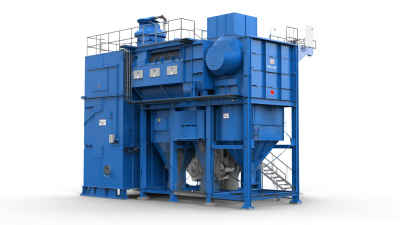
Baghouse dust collectors are essential in many industrial settings. They efficiently remove dust and particulate matter from the air. Understanding their functionality is crucial for making the right choice. A typical baghouse uses fabric filters to capture dust. When air flows through the filters, particles get trapped while clean air is released.

Several factors come into play when selecting a baghouse dust collector. The type of dust generated in the facility matters. Some dusts are fine and may require specific filter bags. Others could be heavy and need durable materials. It's essential to analyze your workspace and the environment. Consider the airflow rate and the volume of dust produced.

Installation can also be a challenge. Space constraints might limit your options. Maintenance is another aspect to think about. Filters need regular cleaning and replacement. It’s often a task many overlook until there’s a problem. This can lead to inefficiency. Reflecting on these details can help ensure you choose a baghouse that truly meets your needs.

Key Factors to Consider When Selecting a Baghouse Dust Collector

When selecting a baghouse dust collector, several key factors should be considered. The type of dust generated plays a crucial role. Different processes produce varying particle sizes and compositions. Understanding your specific dust type can help in choosing the right filtration media. Some materials may require specialized filters for optimal performance. This is often overlooked but essential for efficiency.

Airflow capacity is another critical factor. Depending on your operation's scale, you’ll need a collector that can handle significant airflow rates. Insufficient airflow can lead to hazardous dust accumulation. It may seem easier to opt for a larger unit, but this can lead to higher energy consumption. Finding a balance is vital.

Maintenance needs are often underestimated. Regular cleaning of filters is necessary to ensure longevity and performance. Some systems have automated cleaning, which can save time. However, they can be more complex. If you’re not familiar with the technology, it may complicate your operation. Reflecting on ease of use versus sophistication is essential in your decision-making process.

Baghouse Dust Collector Efficiency Comparison

Types of Baghouse Dust Collectors and Their Applications

How to Choose the Best Baghouse Dust Collector for Your Needs?

Baghouse dust collectors come in various types, each tailored for specific applications. The most common types are fabric filter collectors, cartridge collectors, and pulse jet collectors. Fabric filter collectors are ideal for industries generating large volumes of fine dust. They typically operate continuously, capturing particles as small as 1 micron with an efficiency of 99%. This makes them popular in cement and food processing industries.

Cartridge collectors are designed for smaller spaces. They are more compact than fabric filter systems while maintaining high efficiency. These systems often capture particles larger than 0.5 microns, making them suitable for woodworking and metalworking applications. Studies indicate that using cartridge collectors can improve air quality, which may reduce health issues among workers.

Pulse jet collectors utilize a system of compressed air to clean the filters automatically. They are effective for high dust load environments. However, operational issues may arise if not properly maintained. Many facilities report that improper filter cleaning can lead to frequent replacements. This can escalate costs and downtime. Choosing the right baghouse collector must consider these factors carefully.

Assessing Airflow and Filtration Efficiency Requirements

Choosing the right baghouse dust collector begins with understanding airflow and filtration efficiency. Airflow requirements depend on the specific application. For instance, processes generating heavier dust loads may require higher air volumes. Industry standards suggest that airflow should be around 1,500 to 2,500 CFM per baghouse unit for optimal efficiency.

Filtration efficiency is crucial in mitigating fine particulate emissions. Baghouse systems typically reach efficiencies of 99.9% for particles over 0.5 microns. A recent study indicated that using a filter media with a finer micron rating can significantly reduce airborne contaminants. This is particularly important in industries such as pharmaceuticals and food processing, where air quality must meet stringent standards.

Tips: Consider your facility's specific dust characteristics before making a decision. Monitor air quality and dust load regularly. Adjusting filter replacement schedules based on data can improve performance and save costs. Regular maintenance cannot be overlooked. A well-maintained system reduces energy consumption and prolongs the lifespan of the equipment.

Evaluating Maintenance and Operational Costs

When selecting a baghouse dust collector, maintenance and operational costs are critical. These expenses can significantly impact your budget. Regular maintenance ensures efficiency but requires time and resources. If a system frequently breaks down, costs will rise. It’s essential to weigh potential repairs against initial purchase costs.

Operational costs also include energy consumption. An efficient collector could save on energy bills, but older models may consume more power. Some collectors operate quietly, while others create noise pollution and may need soundproofing. Calculating long-term expenses is vital. Neglecting these factors can lead to financial strain as time goes on.

Training staff on proper use is another cost consideration. Well-trained operators can reduce wear and tear on the system. However, the initial investment in training can feel daunting. Balancing these costs is not always straightforward. Each facility is unique, and decisions should be tailored to individual needs.

Selecting the Right Filter Media for Specific Dust Types

When selecting a baghouse dust collector, filter media is critical. Different dust types require tailored filtration solutions. For instance, fine powders, fibrous materials, and sticky substances all behave differently in a dust collection system.

Selecting the right filter media starts with understanding your dust composition. For example, synthetic filter media are often more effective for fine particulate matter. According to industry reports, synthetic materials provide superior efficiency, capturing up to 99.9% of smaller particles. On the other hand, natural fibers work well for heavier dust loads, offering good airflow and lower resistance.

Tip: Always consider the dust's moisture content. High moisture means choosing a media that can handle wet conditions without clogging or degrading.

Understanding the dust's chemical properties is also vital. Some dust, especially from chemical processes, may require treated media to avoid degradation. Check compatibility to prevent unexpected failures. Many companies overlook this factor, leading to costly downtime.

Tip: Regularly analyze your dust characteristics. This ensures you select the most efficient media, preventing wasted resources on ineffective solutions.

How to Choose the Best Baghouse Dust Collector for Your Needs?

Dust Type Recommended Filter Media Efficiency (%) Temperature Resistance (°F)
Wood Dust Polyester 99% 180
Metal Dust PTFE Coated 95% 400
Cement Dust Fiberglass 90% 500
Chemical Fumes Activated Carbon 98% 150
Plastic Dust Polypropylene 92% 200

Compliance with Environmental Regulations and Standards

Selecting the right baghouse dust collector is crucial for meeting environmental standards. Compliance with these standards is not just about regulations. It's about protecting the environment and ensuring a sustainable future. Many facilities face challenges in navigating these requirements. An effective dust collector can help minimize emissions.

Tips: Assess your local regulations regularly. Standards can change based on new environmental policies. Stay informed about these updates. Understand what specific limits apply to your operation.

It's essential to evaluate the characteristics of your emissions. Different materials produce varying types of dust. Not all systems can manage every type effectively. Consider factors like particle size and chemical composition. Sometimes, a standard solution may not fit. Custom systems could offer better compliance.

Tips: Collaborate with engineers or environmental specialists. They can provide insights tailored to your operation. Regularly test your emissions to ensure ongoing compliance. Adjustments may be necessary, depending on the results. Reflection on your dust collection process is vital for continuous improvement.

Maximizing Dust Collection Efficiency: A Comprehensive Guide to Cartridge Filters for Dust Collectors

In today's industrial landscape, maximizing dust collection efficiency is crucial for maintaining a safe and clean working environment. One effective solution lies in the design and technology behind cartridge filters for dust collectors. The unique concave fold pattern design of cartridge filters ensures a 100% effective filtration area, promoting maximum operating efficiency. According to industry reports, effective dust collection systems can lead to a reduction in airborne particles by as much as 90%, significantly improving air quality and worker safety.

The advanced adhesive technology used in the construction of these specialized filter cartridges enhances their durability and performance. By ensuring strong bonding, the filters maintain structural integrity even under demanding conditions. The optimal fold spacing contributes to uniform filtration across the entire filtration area, reducing pressure differences within the filter elements. This not only stabilizes airflow in spray rooms but also simplifies the cleaning process, extending the lifespan of the filtering media. With a curved transition at the folding top, the effective filtration area is further increased, demonstrating the innovative design's impact on filtration efficiency.

Moreover, the elasticity and low hardness of the single ring sealing ring provide an additional layer of reliability. This feature is essential in maintaining a tight seal, preventing any dust bypass and ensuring that the collection system performs at its best. In an age where regulatory standards for air quality are continuously evolving, investing in high-efficiency cartridge filters is not just a best practice—it's a necessity for compliance and safe operation in various industries.

FAQS

: What types of exercise are effective for beginners?

: Walking and basic stretching are great starting points. Bodyweight exercises also work. Start slow.

How can I stay motivated to exercise regularly?

Set small, achievable goals. Tracking progress can help. Find a workout buddy for support.

What should I do if I feel pain while exercising?

Stop immediately and rest. Ice the area if swollen. If pain persists, consult a professional.

How much water should I drink during workouts?

Aim for about 7-10 ounces every 20 minutes. Listen to your body’s thirst cues.

Is it necessary to warm up before exercising?

Yes, warming up prepares your body. It reduces injury risks and improves performance.

When is the best time to exercise?

It depends on your schedule. Morning workouts can boost your mood. Evening sessions may help you unwind.

Can I lose weight without dieting?

Yes, exercise can lead to weight loss. However, diet plays a significant role. Balance is key.

How can I make workouts more enjoyable?

Listen to music or podcasts. Change your routines regularly. Trying a new sport can also add fun.

Is it normal to feel tired after working out?

Yes, fatigue is common after exercise. Listen to your body and take breaks as needed.

What factors affect my progress in fitness?

Nutrition, sleep quality, and personal dedication can all influence results. Reflect on your routines regularly.

Conclusion

Choosing the right Baghouse Dust Collector is crucial for effectively managing dust emissions in various industrial applications. Understanding the functionality of these systems involves recognizing their role in filtering and collecting dust particles to maintain a clean environment. Key factors in selection include the specific type of dust being collected, airflow requirements, and filtration efficiency. It's essential to assess the maintenance and operational costs associated with different units to ensure cost-effectiveness over time.

Furthermore, the choice of filter media is vital, as different dust types may require specific materials for optimal performance. Compliance with environmental regulations and standards cannot be overlooked, as it ensures that operations remain within legal limits while contributing to overall sustainability. By carefully evaluating these aspects, businesses can choose a Baghouse Dust Collector that best suits their needs and promotes a healthier work environment.

Isabella

Isabella

Isabella is a dedicated marketing professional specializing in integral lubrication solutions, with a keen focus on high-temperature chain lubricants. With extensive knowledge of the company's core products, which include compressor lubricants, vacuum pump lubricants, and refrigerated compressor......
Previous Advantages of Using the Best Reliant Dust Collector 720 for Your Manufacturing Needs