In today’s manufacturing world, picking the right dust collector for your factory is pretty much a big deal. It’s not just about keeping things tidy; it’s about boosting efficiency and making sure everyone’s working in a safe environment. I recently read a report from the Industrial Air Filtration Association, and it said that dust collectors can cut down airborne dust particles by up to 99%. That’s huge because it doesn’t just mean cleaner air inside, but also a lot fewer respiratory problems for the folks on the shop floor. John Stevenson, who’s pretty much an expert in air quality management, even says that 'the right dust collection setup can totally change how productive and safe a manufacturing plant feels.' Sounds pretty convincing, right?
Now, companies like Shanghai Jiongcheng Industrial Co., Ltd., who are always striving to deliver top-notch lubrication solutions, know that making sure their lubrication systems work well with dust collection equipment is super important when it comes to overall factory performance. With all the latest research and strict quality checks, it’s crucial for manufacturers to pick dust collection systems that fit their needs, especially ones that can play nicely with existing tools like compressors and vacuum pumps.
And let’s not forget, with safety and environmental rules tightening up all the time, investing in a good-quality dust collector isn’t just a good idea anymore—it’s pretty much a must if you want to stay competitive, protect your workers, and keep things running smoothly. In the end, it’s all about finding that sweet spot between safety, efficiency, and keeping up with the times.

Understanding Dust Collector Types: A Comparison of Popular Models
When selecting a dust collector machine for factory efficiency, understanding the various types available is crucial. The most common models include baghouse, cartridge, and cyclone dust collectors. Baghouse collectors are often favored for their high filtration efficiency and large dust load handling capabilities. These systems use fabric filters to capture dust particles, making them ideal for industries that generate fine particulate matter.
Cartridge dust collectors, on the other hand, offer a more compact design and require less floor space. They utilize pleated filter cartridges, which provide a larger surface area for capturing dust while maintaining a smaller footprint. This type is particularly suitable for facilities that experience low to moderate dust generation and that prioritize ease of maintenance. Finally, cyclone dust collectors utilize centrifugal force to separate dust from the air. They are highly effective for large particles and are often employed as a pre-filter in more complex dust collection systems. Each of these models has unique benefits that cater to different operational needs, making it essential to choose the right one based on specific factory requirements.


Maximizing Efficiency: The Essential Role of Cartridge Filters in Dust Collector Systems
In the realm of dust collector systems, cartridge filters play a pivotal role in maximizing efficiency and ensuring optimal performance. The innovative design of these filters, characterized by a unique concave fold pattern, guarantees a 100% effective filtration area. According to industry reports, systems equipped with advanced cartridge filters can enhance filtration efficiency by over 30%, significantly reducing particulate emissions in various industrial applications. This level of efficiency is crucial, particularly in environments where air quality regulations are stringent.
Furthermore, the durability of these cartridge filters is reinforced through the use of specialized adhesive technology, ensuring a strong bond that withstands the rigors of industrial use. The optimal fold spacing is carefully engineered to promote uniform filtration, minimizing pressure differentials across the filter element. This not only stabilizes airflow within the spray room but also simplifies the maintenance processes of the powder room, which is essential for maintaining consistent operational efficiency. The curved transition at the folding top maximizes the effective filtration area, further enhancing the overall performance and extending the service life of the filter.
In addition, the use of rich elasticity and low-hardness sealing rings contributes to a superior fit, preventing leakage and maintaining airflow integrity. As reported by filtration industry analysts, implementing high-efficiency cartridge filters can lead to a 20% reduction in energy consumption associated with dust collection systems. This underscores the essential role of cartridge filters in not only improving air quality and operational efficiency but also in promoting sustainability within industrial practices.

FAQS
: Understanding cost-benefit ratios is crucial for optimizing efficiency and productivity, as it involves evaluating the initial investment, long-term operational costs, maintenance, energy consumption, and potential downtimes.
A high-quality dust collector may have a higher upfront cost, but its durability and efficiency can lead to significant savings over time by reducing the frequency and expense of replacements or repairs.
Factors to compare include filtration efficiency, air volume capacity, how well a machine can handle larger dust loads, and its effect on minimizing production interruptions.
Effective dust collectors improve air quality in the workplace, which can enhance employee well-being and health, while also ensuring compliance with safety regulations.
Advanced technologies, such as IoT connectivity, allow real-time monitoring and data analysis, helping factories predict maintenance needs and optimize dust collection processes effectively.
Yes, a leading woodworking company implemented a high-efficiency dust collection system which resulted in a 30% reduction in airborne particulate matter and improved worker health and production efficiency.
Dust collectors are crucial in various industries including manufacturing, woodworking, and food processing, where maintaining air quality and workplace safety is essential.
By improving air quality and reducing airborne particulate matter, dust collectors help companies comply with safety regulations aimed at protecting worker health.
Intelligent systems enhance dust collector functionality by enabling better data analysis, real-time monitoring, and optimized processes, which are vital for remaining competitive and efficient.
Thorough analysis of dust collector options enables factory managers to make informed decisions that enhance operational efficiency and improve employee well-being.
Conclusion
In the pursuit of enhanced factory efficiency, selecting the right Dust Collector Machine For Factory is crucial. Understanding the various types of dust collectors and their specific applications helps organizations choose a model that best fits their operational needs. Key factors such as capacity, efficiency, and filtration capabilities are critical metrics to consider, alongside compliance with industry standards for air quality.
Moreover, analyzing cost-benefit ratios will ensure that investment in dust collection systems translates to tangible benefits for factory operations. Modern technological advancements have led to innovative solutions in dust collection, making systems more effective and easier to manage. Case studies demonstrate successful implementations across diverse industries, showcasing the vital role that an efficient dust collector plays in maintaining a clean and safe working environment. As companies like Shanghai Jiongcheng Industrial Co., Ltd. focus on integral solutions, they underscore the importance of supporting machinery, like dust collectors, that can optimize overall production performance.
Related Posts
-

Advantages of Using the Best Reliant Dust Collector 720 for Your Manufacturing Needs
-
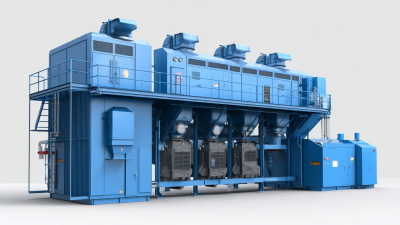
Discover Outstanding Products from China with the Best Reliant Dust Collector 720 for Global Buyers
-
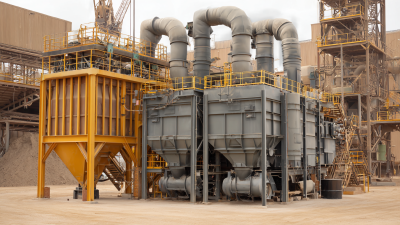
Innovative Applications of One Unit Dust Collector Together in Diverse Industries
-

How to Choose the Right Elmo Rietschle Vacuum Pump Lubricant for Your Needs
-
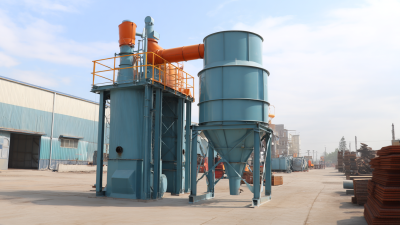
Essential Checklist for Choosing the Right Cyclone Dust Collector Supplier
-
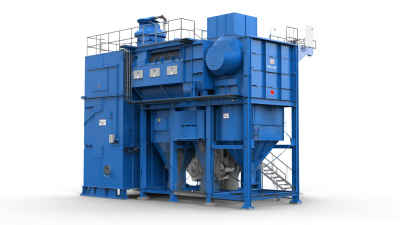
2025 Market Insights: Best Reliant Dust Collector Model 720 as a Game-Changer for Global Procurement Trends
