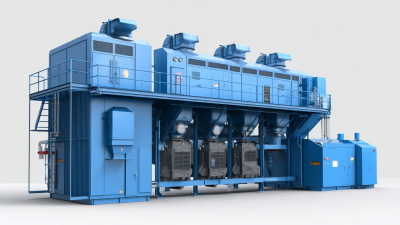
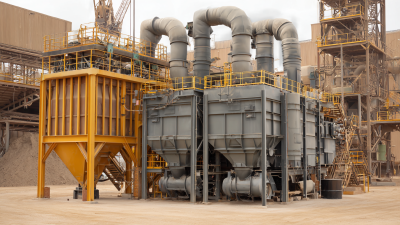
Picking the right industrial dust extractor isn’t exactly a walk in the park — the stakes are pretty high. get it right, and you’re boosting safety and productivity at your workplace. But if you go with the wrong one, it can impact air quality, cause health issues, and slow things down. So yeah, making an informed choice is super important.
Think about what your industry specifically needs. For instance, woodworking shops and metal fabrication facilities have totally different dust extraction requirements. When shopping around, pay attention to things like filtration efficiency, airflow, and how easy it is to keep the unit maintained. Brands like Camfil and Festool are usually pretty solid, but not every model fits every environment perfectly.
Now, cost’s often a big deal, I get it. But honestly, going for a cheaper unit might save you some cash upfront, sure, but it could end up costing you more in repairs or replacements down the line. It’s all about finding that sweet spot between affordability and quality. Don’t forget to check out customer reviews and industry standards — those can give you a good idea about which models are truly reliable.
Industrial dust extractors play a crucial role in maintaining a safe working environment. These machines minimize airborne dust, protecting workers' health and enhancing productivity. Poor air quality can lead to respiratory issues over time, making efficient dust extraction essential. Organizations must prioritize these systems to comply with safety regulations and prevent workplace hazards.
When selecting an industrial dust extractor, consider the type of dust generated. Different industries produce various particles with unique properties. For instance, wood dust can behave differently than metal or concrete dust. Understanding the specific requirements of your environment is vital. Many might overlook this aspect, leading to inadequate solutions.
It’s also important to think about airflow rates and filter efficiency. A high-quality extractor should balance both factors. However, many users fail to regularly maintain their equipment, which can lead to decreased performance. Regular inspections and filter replacements are necessary to ensure reliability. A well-maintained system not only improves efficiency but also assures compliance with health standards.
When selecting an industrial dust extractor, understanding the types available is crucial. There are three primary categories: baghouse, cartridge, and cyclonic extractors. Each type serves distinct functions based on the application and the materials involved. For instance, baghouse extractors are ideal for large volumes of fine dust, while cartridge models effectively handle smaller, hazardous particles.
Employing the right mechanism can significantly enhance workplace safety. Cyclonic dust extractors separate particles using centrifugal force. These units work effectively in woodworking or metal fabrication. The challenge lies in ensuring that you choose the one that fits your specific needs. Accessibility for maintenance and ease of filter replacement are critical factors often overlooked.
Accurate sizing and compatibility with existing systems are also vital. A poorly sized extractor can lead to inefficient operation. Many users struggle with this aspect, realizing only after installation that their choice was suboptimal. This oversight can result in increased costs and reduced effectiveness. Making informed decisions and thoroughly assessing your requirements can significantly impact performance and safety in industrial settings.
When selecting an industrial dust extractor, several key factors must be considered. The efficiency of dust collection is paramount. According to a recent industry report, high-efficiency particulate air (HEPA) filters can trap up to 99.97% of airborne particles. This level of efficiency significantly improves air quality in industrial environments.
Airflow and suction power also play crucial roles. The optimal airflow for dust extractors usually ranges from 600 to 1,200 CFM (cubic feet per minute). Insufficient airflow can lead to incomplete dust removal, posing health risks. Additionally, the capacity of the dust collection bag influences the frequency of disposal, impacting operational efficiency.
Noise levels and filtration system design are often overlooked but crucial elements. Excessive noise can lead to a less productive workforce, with studies indicating that high decibel levels can cause fatigue. Some advanced filtration systems integrate sound-dampening features, which can enhance workplace comfort. If overlooked, these factors can result in higher costs and reduced safety. Selecting the right features requires careful evaluation.
| Factor | Description | Importance Level |
|---|---|---|
| Filtration Efficiency | Ability to capture fine dust particles to ensure clean air. | High |
| Airflow Rate | Measure of how much air the extractor can process per minute. | High |
| Noise Level | Sound produced by the unit during operation; lower is better. | Medium |
| Size and Portability | Dimensions and weight of the unit, affecting mobility. | Medium |
| Maintenance Requirements | Ease of maintenance and cost of replacement parts. | High |
| Energy Efficiency | Power consumption relative to performance. | High |
| Cost | Price of the unit and overall value for the features offered. | Medium |
When selecting an industrial dust extractor, it’s crucial to evaluate extraction efficiency and performance metrics. Industry studies, such as those from the American Industrial Hygiene Association, indicate that effective dust extraction systems can reduce airborne particulate levels by up to 95%. This significant reduction not only enhances workplace safety but also can improve overall productivity.
Choosing the right filtration system depends on specific needs. Look into micron filtration ratings; systems that capture particles as small as 0.3 microns are often more effective. The type of dust generated in your operation is also vital. Some dust, like wood or metal, requires different filtering methods. Consider airflow rates; a higher CFM (cubic feet per minute) rating typically indicates better performance. Remember, larger systems may handle high-volume dust loads but can be costly.
Tips: Assess the space where the extractor will be used. Compact or portable units are beneficial in tight areas. Regular maintenance is key for consistent performance. Filters must be checked and cleaned frequently to avoid efficiency drops. Reflect on the importance of adaptability; your operational needs may change over time, influencing the choice of extraction systems.
Choosing the right industrial dust extractor involves a careful balance between cost and quality. Many users look for the cheapest option. However, low prices often lead to poor performance and increased maintenance costs. A unit that fails to capture fine dust effectively can lead to long-term health issues and unsafe work environments.
Quality dust extractors are built to last. They utilize advanced filtration systems that capture even the smallest particles. Investing in better quality equipment can enhance productivity and reduce downtime. Some may hesitate at the initial investment, but consider the savings in health costs and productivity losses. A well-made extractor can pay off over time.
Consider the type of materials you work with. Some dust extractors handle wood dust better, while others are designed for metal shavings. It's crucial to match the extractor to your specific needs. Sometimes, pricier models include features that reduce noise levels or improve mobility, making them more suited for various environments. Reflecting on these factors can help make a more informed decision for your workplace.
When exploring the maintenance and support for dust extraction systems, one must consider several key factors. Regular upkeep is essential for optimal performance. Neglected equipment may lead to inefficiencies, increased energy consumption, and costly downtime. Scheduled inspections can identify potential issues early. This proactive approach ensures that the system operates efficiently over time.
Choosing a support provider is equally significant. Look for a team that offers comprehensive services. Technicians should be well-trained and experienced in managing various dust extractor models. Having access to timely technical support can mitigate disruptions. Training sessions for staff can enhance operational efficiency too. A reliable support system keeps the equipment running smoothly.
Inconsiderate maintenance practices can prove detrimental. Rushing through routine checks often leads to missed critical issues. Operators must be educated on recognizing early warning signs, such as unusual noises or reduced suction power. Engaging staff in equipment care fosters a culture of responsibility. Ultimately, a collaborative effort ensures longevity and reliability in dust extraction systems.
The future of industrial dust extraction technology is evolving rapidly.
As industries strive for cleaner work environments, new trends are emerging. One significant trend is the
integration of smart technology.
Sensors and automated systems enhance the efficiency of dust extraction units. They can detect dust levels and
adjust operations accordingly. This leads to better air quality and reduced maintenance costs.
Another important aspect is sustainability.
Companies are focusing on eco-friendly solutions. This includes using energy-efficient motors and recyclable materials
in dust extractors. Furthermore, developing technologies that minimize waste is a priority. However,
achieving true sustainability in this sector presents challenges.
Balancing efficiency with environmental impact requires ongoing research and innovation.
Data analytics also plays a crucial role in the future of dust extraction.
Companies can analyze dust generation patterns and equipment performance.
Insights gained from this data can inform better operational decisions. Nonetheless,
not all organizations are equipped to leverage such technologies yet.
Adopting new practices often involves navigating resistance to change and understanding the associated costs.
These are hurdles that will require thoughtful solutions as the industry moves forward.
Hydro Miljö PAO food grade synthetic hydraulic oil represents a significant advancement in hydraulic fluid technology, especially for applications where hygiene and safety are paramount. This synthetic oil formulation is tasteless and odorless, making it an ideal choice for industries such as food processing, pharmaceuticals, and other sectors that demand stringent sanitary conditions. According to a study by the National Lubricating Grease Institute, the use of food-grade hydraulic oils is expected to grow at a CAGR of over 6% from 2021 to 2026, reflecting an increasing awareness of food safety and environmental standards.
One of the standout features of Hydro Miljö PAO is its compatibility with various materials used in hydraulic systems. Unlike conventional oils, this synthetic variant is non-aggressive to hoses, seals, and gaskets. This property not only contributes to the longevity of the hydraulic components but also supports greater efficiency in equipment operation. Research indicates that fluid degradation can lead to increased maintenance costs, with estimates suggesting a possible reduction in these costs by up to 20% when using superior quality synthetic oils compared to mineral-based alternatives.
Additionally, the environmental impact of hydraulic fluids is a crucial factor in the choice of lubricants. Hydro Miljö PAO exhibits excellent water resistance and foaming resistance, which minimizes the risk of spills and contamination in sensitive environments. The Environmental Protection Agency emphasizes the importance of using environmentally safe hydraulic oils, stating that they help mitigate harmful leakage into soil and water bodies, thereby supporting overall ecological balance. This makes Hydro Miljö PAO not only a smart choice for machinery performance but also a responsible option for businesses looking to improve their environmental footprint.
: They enhance air quality, protecting workers' health and increasing productivity.
Assess the type of dust produced. Different industries generate specific particles that require tailored solutions.
Regular maintenance, inspections, and filter replacements are crucial for optimal performance.
It measures how well a dust extractor reduces airborne particulate levels, potentially by up to 95%.
Cheaper units often underperform and may lead to health issues, while quality equipment enhances productivity.
Different particles require specific micron ratings; systems capturing 0.3 microns are generally more effective.
Airflow rates, filter efficiency, and the type of dust generated all play a role in an extractor’s performance.
Yes, compact units are valuable for tight spaces and can be moved easily.
Frequently checking and cleaning filters is necessary to maintain efficiency.
Think about changing operational needs that may affect your dust extraction requirements over time.
In the article "2026 How to Choose the Best Industrial Dust Extractors?", the significance of industrial dust extractors in maintaining a safe and clean working environment is emphasized. It covers various types of extractors and their specific applications across different industries, highlighting how they contribute to enhanced air quality and compliance with safety standards.
Key factors for selecting the best dust extractor include evaluating extraction efficiency, performance metrics, and balancing cost against quality. The article also examines essential aspects of maintenance and support for dust extraction systems, ensuring long-term reliability. Lastly, it touches on emerging trends in industrial dust extraction technology, providing insights into innovations that can optimize performance and meet the evolving needs of industries.