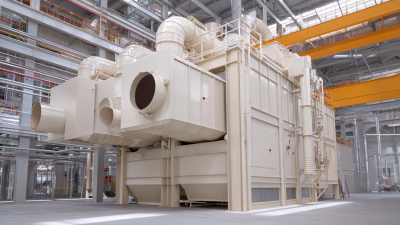
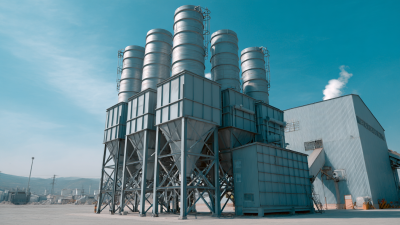
Picking out the right dust collector can actually be more of a headache than you'd think. There are so many things to consider. First off, what kind of materials are you dealing with? For example, handling wood dust isn’t the same as dealing with metal shavings — they need different kinds of filters. Then, take a look at your workspace. If you've got a small garage or workshop, a compact dust collector might do the trick. But if you’re running a bigger operation, you'll probably want something a bit heftier to keep things running smoothly. Oh, and don’t forget about noise — some units are much quieter than others, which can make a big difference depending on your setup. You don’t always need the most powerful machine out there; sometimes, it’s better to find that sweet spot between good performance and what fits your budget. Also, think about what YOU actually need. An inappropriate dust collector can cause uneven filtering or just be a pain to deal with. Maintenance matters, too — some models need daily filter changes, while others are super easy to keep up with. Your choice isn’t just about specs; it’s about how it impacts your work and productivity. So, really take your time to weigh these details. It’s worth it to pick something that matches your needs rather than rushing into something that might not cut it later on.
In industrial settings, dust collectors play a crucial role. They help maintain air quality and protect workers' health. According to the U.S. Occupational Safety and Health Administration (OSHA), exposure to airborne dust can lead to serious respiratory issues. In fact, studies show that industries with effective dust collection systems see a 30% reduction in respiratory ailments among employees. This highlights the importance of investing in a suitable dust collector.
When choosing a dust collector, consider the type of materials you handle. Different operations generate various dust particles, requiring specific filtration systems. For example, wood dust, metal shavings, and chemical particles all have unique properties. Assess your workspace to determine what type of collector best meets your needs. Efficiency matters as well; a well-placed collector can significantly reduce dust accumulation and improve overall productivity.
**Tip:** Regular maintenance is key. Check filters frequently to ensure optimal performance. Dirty filters can compromise air quality and collector efficiency.
**Tip:** Don't overlook noise levels. Many dust collectors produce high decibel levels. A quieter model can enhance the work environment.
Choosing the right dust collector is not just about compliance. It's about creating a healthier workspace.
Choosing the right dust collector starts with understanding your collection needs. Identify the types of materials involved. Are you dealing with wood dust, metal shavings, or concrete particles? Each type has distinct characteristics. For instance, wood dust is lightweight and tends to float, while metal shavings can be heavier and require different handling.
Consider the sources of dust in your workspace. Is it generated from machines, manual processes, or both? If machines are the main culprits, you might need a more powerful system. Manual processes may allow for smaller, portable units. Evaluate the volume of dust produced as well. High output means higher frequency of cleaning and maintenance.
Reflect on the layout of your space. A compact area might struggle with larger units. Conversely, a more open layout may support bulkier systems. Think about energy efficiency too. Sometimes, bigger isn't better, and a smaller, efficient collector might suit your needs. Address these details before making a decision, as it shapes your workspace health and efficiency.
When choosing the right dust collector, it's crucial to understand the types available. Baghouse collectors use fabric filters. They handle large volumes of particulates. However, their maintenance can be tricky. Some users report frequent filter replacement. This can drive up costs over time. Research shows that baghouses achieve 99% collection efficiency, making them popular in heavy industrial applications.
Cartridge collectors are another option. They are compact and efficient. Their design allows for easy filter changes. Many models also feature pulse cleaning, which aids in efficiency. Data suggests they can capture fine dusts, often down to 0.5 microns. Some users, however, note challenges in cleaning high-volume environments.
Cyclone collectors separate dust via centrifugal force. They are ideal for larger particles, producing minimal maintenance needs. However, they might not capture finer dust efficiently. Studies indicate that cyclones achieve around 85% efficiency on average. This could leave some small particulates in the air, impacting air quality. Each model has its strengths and weaknesses, requiring careful evaluation based on specific needs.
Choosing the right dust collector starts with understanding airflow requirements. The measurement commonly used is CFM, or cubic feet per minute. This metric indicates how much air a dust collector can effectively move. To select the right system, you must assess your workspace and the processes involved.
Calculating the necessary CFM can be complex. For example, woodshops often need around 400 CFM for each machine in operation. A common mistake is underestimating these needs. Users might rely on generic guidelines instead of specific calculations tailored to their processes. Industry reports suggest that a 10% increase in airflow can significantly improve filtration efficiency.
It's essential to consider ductwork size and layout, too. Long runs or sharp bends can reduce effective CFM. On average, every 90-degree bend can reduce airflow by 15-20%. This inefficiency might lead to inadequate dust management, potentially jeopardizing air quality. Evaluating all these factors ensures a well-functioning, reliable dust collection system that meets operational needs.
When selecting a dust collector, understanding filtration efficiency is crucial. MERV ratings, or Minimum Efficiency Reporting Values, gauge a filter's ability to capture airborne particles. Ranging from 1 to 20, higher MERV ratings indicate better filtration. For instance, a filter rated at MERV 13 can trap 75% of particles sized 0.3 to 1.0 microns. This includes allergens like pollen and dust mites.
Tips: Always check local regulations. Some facilities may require filters with higher MERV ratings for compliance. Be aware that higher-rated filters can restrict airflow. This may negatively impact your dust collector's performance. It's essential to find a balance between efficiency and functionality.
Consider the type of dust generated in your environment. For example, woodshops often produce larger particles, while clean rooms need to eliminate very fine dust. The recommended MERV rating varies accordingly. Many reports suggest a MERV rating of at least 11 for industrial use. However, depending on your specific needs, you may need to evaluate alternatives. Filters that are too efficient can create excessive resistance. Regular maintenance becomes crucial in these cases.
Choosing the right dust collector requires careful attention to space considerations. Facilities come in various sizes and configurations, which directly influence the dust collection system you need. In a recent report by the Industrial Dust Collection Association, it was noted that a significant number of facilities underestimate dust load capacity. They often select equipment that is too small, which can lead to inefficiencies and increased maintenance costs.
Understanding the layout of your space is critical. A corner-mounted system may make the best use of limited floor space. Alternatively, a centralized unit can service multiple workstations. According to estimates, up to 70% of dust collection inefficiencies stem from poor placement of equipment. That’s a staggering statistic. Additionally, the ceiling height should also be factored in. Tall ceilings may require different configurations than standard heights, which could impact airflow.
When considering the installation, think about accessibility for maintenance and service. A poorly placed collector can hinder operations. In some cases, retrofitting existing systems may be necessary to optimize performance. Many facilities struggle with this aspect. Not addressing these issues initially can lead to costly adjustments later. Balancing size, configuration, and accessibility is vital for fulfilling your specific dust collection needs effectively.
When choosing a dust collector, maintenance and energy efficiency are crucial factors. A well-designed dust collector can significantly reduce long-term operational costs. Regular cleaning of filters is essential. Neglecting this can lead to reduced efficiency and increased energy consumption. Make sure you inspect all components periodically. Simple tasks, like checking for leaks, can go a long way.
Energy efficiency should not be overlooked. Selecting a model with a lower energy consumption rating can pay off over time. However, consider the initial investment versus potential savings. Sometimes, a cheaper model may end up costing more in repairs and energy. Think about the total cost of ownership, not just the purchase price.
Evaluate your specific needs before making a choice. Factors like the type of dust, bag capacity, and airflow should guide your decision. Every workspace has unique requirements. A tailored approach often leads to better long-term results. Don’t rush this process; it requires careful thought and reflection.
| Dust Collector Type | Maintenance Frequency (Monthly) | Energy Efficiency Rating | Initial Cost ($) | Estimated Annual Operating Cost ($) |
|---|---|---|---|---|
| Cyclone Dust Collector | 1 | A | 1500 | 300 |
| Baghouse Dust Collector | 2 | B | 2500 | 500 |
| Cartridge Dust Collector | 1 | A+ | 2000 | 250 |
| Wet Dust Collector | 4 | C | 3000 | 700 |
| Portable Dust Collector | 3 | B+ | 800 | 150 |
: The main types are baghouse, cartridge, and cyclone collectors. Each has unique strengths.
It uses fabric filters to handle large volumes of dust. Maintenance can be difficult.
Cartridge collectors are compact and allow for easy filter changes. They can capture fine dust.
Cyclones typically achieve around 85% efficiency. They are better for larger particles.
CFM is the air volume a collector can move. Assess your workspace for accurate calculations.
Yes, long duct runs and sharp bends can reduce airflow by 15-20%. This impacts performance.
Many users underestimate their airflow needs. Relying on generic guidelines leads to inefficiency.
A 10% increase in airflow can significantly enhance filtration efficiency. It is often overlooked.
Yes, users in high-volume environments report difficulties in cleaning and maintenance.
Each collector type has strengths and weaknesses, impacting air quality and operational effectiveness.
Choosing the right dust collector for industrial needs is crucial for maintaining a safe and efficient working environment. Understanding the importance of dust collectors begins with identifying specific dust collection requirements based on the types of materials and sources present in a facility. Different dust collector types, such as baghouse, cartridge, and cyclone models, must be evaluated to ensure compatibility with the dust characteristics.
Additionally, determining airflow requirements through CFM calculations is essential for efficient operation. Assessing filtration efficiency by understanding MERV ratings helps in selecting a dust collector that meets regulatory standards and operational needs. Consideration of space availability within the facility is also critical, ensuring the dust collector is sized and configured appropriately. Lastly, evaluating long-term maintenance and energy efficiency will contribute to cost savings, making dust collectors an integral component of industrial operations.