0%

In today’s industrial world, keeping the air clean from pesky dust particles is more important than ever, both for health and safety. That’s where an Industrial Dust Collector really comes in handy. Dr. Emily Stone, who’s one of the top experts over at AirTech Solutions, puts it simply: "A good dust collection system is key to keeping the work environment both clean and safe."

These dust collectors are pretty much essential across a bunch of industries. They do the heavy lifting by trapping dust that kicks up during manufacturing or other industrial processes. It’s not just about following rules or avoiding fines — it’s about genuinely looking out for the folks working there. When you choose a solid Industrial Dust Collector, it helps cut down respiratory issues and can also boost overall productivity.

That said, a lot of businesses don’t really pay attention to the nitty-gritty when picking their system. Things like the airflow rate, the right kind of filters, and how often you need to do maintenance all play a big role in how well it works. Picking the wrong one can leave you with inefficiencies and more headaches. You gotta stay on top of things — keep assessing and tweaking as needed. Investing in a good Industrial Dust Collector isn’t just another expense; it’s an investment in making the workplace safer for everyone. And honestly, the air quality in your space can seriously make or break how good your work turns out.

What is an Industrial Dust Collector and How Does It Work?

What is an Industrial Dust Collector?

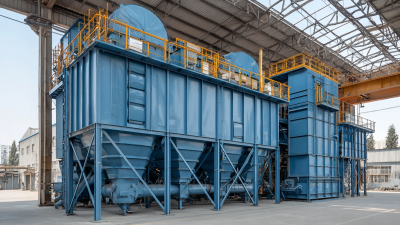
An industrial dust collector is a critical component in many manufacturing facilities. It helps maintain a clean environment by removing harmful airborne particles. These systems capture dust, smoke, and other contaminants, preventing them from affecting workers and equipment.

Dust collectors operate on the principle of filtration. Air laden with dust enters the collector, where it passes through various filters. The dust is trapped, while clean air is released back into the workspace. This process not only improves air quality but also enhances safety within the facility. Proper maintenance is vital; neglected systems may become less effective over time.

Tips: Regularly inspect filters for clogs. Blocked filters can reduce efficiency. Ensure that the dust collector is appropriately sized for your operation. A unit that's too small may struggle to handle the volume of dust produced. Training employees in proper usage can also maximize the collector's lifespan.

The Importance of Dust Collection in Industrial Settings

What is an Industrial Dust Collector and How Does It Work?

Industrial dust collection is crucial for maintaining a safe work environment. Dust accumulation can lead to respiratory issues among workers. The National Institute for Occupational Safety and Health (NIOSH) reports that over 1.8 million workers are exposed to harmful dust annually. This exposure can cause long-term health problems, emphasizing the need for effective dust collection systems.

Proper dust collectors capture harmful particulates before they become airborne. They reduce the risk of explosions and fires in industrial settings. The U.S. Occupational Safety and Health Administration (OSHA) mandates strict dust limits in certain workplaces. Using a quality dust collector can lower airborne particle concentration significantly.

Here are some tips for effective dust management:
- Regularly inspect and maintain your dust collection system to ensure optimal performance.
- Train employees on the importance of dust control measures. Awareness can drive compliance.
- Consider investing in advanced filtration technology. New innovations can enhance capture efficiency and reduce energy costs.

Pay attention to your dust collection practices. A small oversight can lead to serious consequences. Evaluate your current system and seek improvements whenever possible.

How Industrial Dust Collectors Operate: A Step-by-Step Process

Industrial dust collectors play a pivotal role in maintaining air quality in manufacturing and industrial settings. Understanding how they operate reveals the complexity behind their effectiveness. The process begins with capturing dust and airborne particles through a series of filters. When air moves through the collector, it hits these filters, which trap contaminants. This initial stage is crucial. It prevents dust from escaping back into the environment.

Next, the collected dust must be removed from the filters for optimal performance. Many systems utilize automated cleaning mechanisms. These can include reverse air or pulse jet cleaning methods. Dust is dislodged and falls into a collection bin. The efficiency of this step affects the collector’s overall performance. If not managed well, filters can become clogged, leading to reduced air flow and increased energy consumption.

Monitoring the system’s performance is essential. Regular checks ensure that filters are functioning as intended. An improperly maintained dust collector can pose health risks. Understanding these operational steps allows businesses to make informed decisions about their dust management. Keeping the environment clean should always be a priority.

Types of Industrial Dust Collectors and Their Applications

Industrial dust collectors play a crucial role in maintaining air quality and workplace safety across various industries. There are several types of industrial dust collectors, each designed for specific applications. Baghouse collectors are common in manufacturing, capturing fine particles as air passes through fabric filters. According to a report by the Environmental Protection Agency, these systems can remove particles as small as 1 micron with efficiency rates exceeding 99%.

Cyclone collectors offer another solution, utilizing centrifugal force to separate larger particles. They are often used in woodworking and metalworking processes, where dust size varies significantly. Research indicates that cyclones can handle high volumes of dust, making them efficient for heavy industries. However, they may not be as effective for finer dust particles, reminding us of the importance of selecting the right technology for specific needs.

foam collectors are also gaining traction, especially in applications involving hazardous materials. These systems can bind with dust to form larger droplets for easier removal. According to industry statistics, foam collectors can aid in reducing airborne pollutants, yet they require precise maintenance to function effectively. Each type of collector has its strengths and weaknesses, emphasizing the need for careful consideration when choosing a dust collection system.

Key Components of Industrial Dust Collection Systems

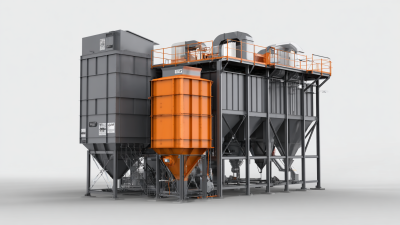
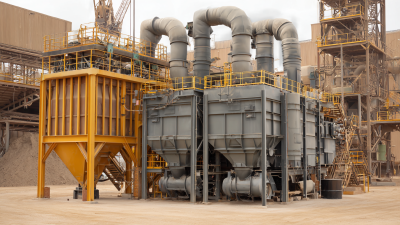
Industrial dust collection systems play a critical role in maintaining workplace safety and environmental standards. A well-designed system includes several key components, each performing a vital function. The primary elements consist of dust collectors, ductwork, and fans, which work together to remove harmful airborne particles. According to industry reports, effective dust collection can reduce exposure to hazardous particles by up to 90%.

Dust collectors are the heart of the system. They utilize various filtration methods to capture dust. Baghouse filters, cyclones, and cartridge filters are common choices, depending on the application. The selection of the right filter is essential for optimizing performance and energy efficiency. A study showed that proper filter selection could save facilities thousands of dollars in energy costs annually.

Ductwork connects the dust source to the collector. Designing this system requires careful consideration of airflow and material movement. Improper duct design may lead to dust accumulation and decreased efficiency. Industry standards recommend maintaining specific air velocity to prevent dust settling in the ducts. Regular maintenance checks are crucial for ensuring ongoing performance and reliability. Failure to address wear and tear can lead to system failures, impacting safety and productivity.

What is an Industrial Dust Collector and How Does It Work? - Key Components of Industrial Dust Collection Systems

Component Function Material Maintenance Frequency
Dust Collector Removes dust and particulate from air Steel/Aluminum Monthly
Filtration System Filters out fine dust particles Polyester/Fiberglass Quarterly
Fan Circulates air through the system Steel Biannually
Hopper Collects dust for disposal Steel As needed
Ducting Transports air and dust Galvanized Steel Annually

Maintenance and Efficiency of Dust Collectors

Dust collectors require regular maintenance to operate efficiently. Routine checks on filters, ductwork, and fans can help prevent downtime. Damaged filters can significantly reduce performance, leading to increased energy costs. Inspecting and replacing filters is essential for optimal functionality.

Apart from filter maintenance, monitoring airflow is crucial. Restricted airflow due to blockages can impact the entire system. Periodic cleaning of ducts and fan assemblies helps maintain proper airflow. Employees should be trained to identify signs of inefficiency, such as unusual noises or decreased suction. This proactive approach can save both time and resources.

Additionally, creating a schedule for maintenance can be beneficial. Having a systematic approach ensures nothing is overlooked. Small issues can snowball into larger problems if not addressed promptly. Regular data tracking on system performance aids in identifying trends. By addressing inefficiencies, companies can enhance productivity and ensure a safer working environment.

Regulatory Standards for Dust Control in Industries

Dust control is crucial in many industries. Regulatory standards aim to minimize health risks associated with airborne particles. Organizations like OSHA and EPA set guidelines to ensure safe work environments. Compliance with these regulations is not only mandatory but also essential for worker safety.

An effective dust collection system is central to meeting these standards. Industrial dust collectors capture harmful dust particles before they can enter the workplace air. Regular maintenance and proper installation are vital. A well-functioning dust collector reduces the risk of respiratory problems. Additionally, it helps in maintaining overall air quality.

Tips: Always invest in high-quality filters. They enhance the efficiency of dust collection systems. Regular inspection of equipment prevents potential hazards. Also, provide training for employees about dust hazards and safety measures. Awareness is key to compliance and health. Sustainable practices should be reviewed frequently, as regulations can evolve. This ongoing evaluation strengthens safety protocols. It’s essential to stay informed and responsive to changes in regulations.

Industrial Dust Collector Efficiency by Type

FAQS

: How do industrial dust collectors work?

: They capture dust through filters. Air moves through filters, trapping contaminants effectively.

Why is dust removal from filters important?

Removing dust ensures optimal performance. Clogged filters reduce airflow and increase energy consumption.

What methods are used to clean filters?

Automated cleaning mechanisms like reverse air or pulse jet cleaning are common. They dislodge dust for collection.

How often should dust collectors be maintained?

Regular maintenance is necessary for efficiency. Routine checks on filters and ductwork should be performed frequently.

What happens if filters are damaged?

Damaged filters reduce performance drastically. This leads to increased energy costs and potential health risks.

How can airflow restriction affect the system?

Blocked airflow impacts overall system function. This can cause inefficiencies and increase operational costs.

Why is employee training important?

Training helps employees identify inefficiencies. They can recognize unusual noises or decreased suction early on.

What should a maintenance schedule include?

A systematic approach covers all aspects. This helps prevent small issues from becoming larger problems.

How can data tracking improve performance?

Tracking system performance reveals trends. Identifying inefficiencies allows companies to enhance productivity effectively.

What are the consequences of neglecting maintenance?

Neglect can lead to equipment failure. This not only increases costs but also poses safety risks.

Conclusion

An Industrial Dust Collector is a crucial system implemented in various industrial settings to control and manage airborne dust and particulate matter generated during manufacturing processes. These systems not only enhance air quality but also ensure compliance with safety regulations, protecting both workers and the environment. The process of dust collection involves multiple steps, from the initial capture of dust at the source to its filtration and storage, ensuring efficient operation through various types of collectors tailored to specific applications.

Key components of industrial dust collection systems include filters, fans, ducts, and hoppers, all of which require regular maintenance to maintain efficiency. Understanding the significance of dust control and adhering to regulatory standards is essential for industries to minimize health risks and operational hazards. By utilizing an Industrial Dust Collector, companies can effectively reduce pollution and enhance workplace safety, leading to better productivity and compliance with environmental guidelines.

Liam

Liam

Liam is a dedicated marketing professional with a profound expertise in the lubrication industry, specializing in high-temperature chain lubricants and integral lubrication solutions. With a focus on compressor lubricants, vacuum pump lubricants, and refrigerated compressor lubricants, he is......
Previous Best Oil For Air Compressor in 2026 Which One Should You Choose?