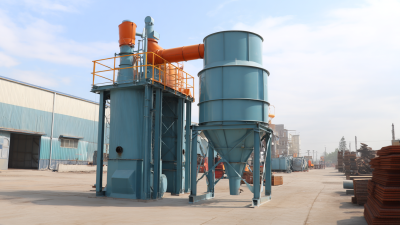
You know, in manufacturing, air quality is actually pretty important. That's where Industrial Dust Extractors come in—they're key to keeping the work environment safe and healthy. Basically, they catch those nasty particles before they can float around in the air. I was chatting with John Smith from CleanAir Technologies, and he said, “Good dust extraction isn’t just about cleanliness—it’s crucial for worker health and staying productive.”
Understanding how these systems work is kinda helpful too. Most of these dust extractors use filters and fans to clear out the dust, which not only makes the air better but also helps protect machines and lowers the risk of fires. That said, choosing the right system and keeping it properly maintained can be a bit tricky. Sadly, a lot of companies overlook these parts, which can really hurt overall efficiency.
From what I've heard in the industry, there’s always room to do better. Checking out different options might lead to some pretty solid improvements. Plus, neglecting regular maintenance is a common mistake—it can really reduce how well these systems work. Investing in good tech and making sure staff are trained really makes a difference. Fixing these issues could make workplaces way safer and healthier for everyone.

What is an Industrial Dust Extractor?
An industrial dust extractor is a vital system designed to improve air quality in manufacturing and construction environments. It captures fine dust and particulate matter generated during various processes. According to a report by OSHA, respiratory issues can affect over 500,000 workers annually due to poor air quality. This makes dust extractors crucial for workplace safety.
These systems operate by using high-powered fans to draw air containing dust into a filtration unit. Here, the dust particles are captured and contained. A study from the Institute of Occupational Safety and Health indicates that effective dust collection can decrease airborne contaminants by as much as 90%. However, not all extractors are equally efficient. Some systems may overlook fine particles, leading to air quality issues over time.
Users often encounter challenges with maintenance. Clogged filters reduce the efficiency of extraction and may lead to safety hazards. Additionally, the noise generated by some machines can be disruptive. Monitoring the performance and conducting regular maintenance can help in mitigating these issues, but it requires commitment and resources. Data from various sectors shows that investing in proper dust extraction can lead to improved productivity and health outcomes.
Importance of Industrial Dust Extraction in Workplaces
Industrial dust extraction is crucial for maintaining a safe work environment. According to the Occupational Safety and Health Administration (OSHA), dust exposure can lead to serious health issues. Inhalation of fine particles may cause respiratory problems, lung disease, and even cancer. Reports indicate that around 2 million U.S. workers are exposed to hazardous dust annually. Effective dust extraction systems reduce these risks significantly.
Workplaces, especially in manufacturing, woodworking, and construction, can be prone to dust accumulation. Dust can hinder machinery performance and reduce air quality. A recent study shows that proper dust management can improve productivity by nearly 30%. It highlights the importance of investing in an effective dust extractor. However, many facilities still neglect this critical aspect of workplace safety. Regular maintenance of extraction systems is necessary, yet often overlooked.
Adopting an efficient extraction system can seem costly upfront. Still, the long-term benefits far outweigh the initial investment. Improve employee health and safety, reduce absenteeism, and enhance overall workplace morale. While many companies understand the importance, some hesitate to act. This gap raises questions about commitment to employee safety and well-being in industrial environments.
How Industrial Dust Extractors Function: An Overview
Industrial dust extractors play a crucial role in maintaining workplace safety and air quality. They function by capturing harmful dust particles generated during manufacturing processes. According to a report from the Occupational Safety and Health Administration (OSHA), over 2 million workers are exposed to harmful dust annually. This underlines the importance of effective extraction systems.
Dust extractors utilize a series of filters and fans to draw in contaminated air. The air passes through filters that trap particles, preventing them from re-entering the environment. This process reduces the risk of respiratory issues for workers. However, not all systems are created equal. Some may not be efficient enough to capture fine particles, which can lead to health hazards. Industry studies suggest that nearly 30% of dust particles can escape poorly designed systems, highlighting the need for ongoing evaluation.
Regular maintenance of dust extractors is essential. Clogged filters can compromise their effectiveness. Operators often overlook this aspect, leading to air quality issues. It's a pitfall that can be easily avoided with routine checks. Implementing a comprehensive maintenance schedule will ensure that dust extractors function efficiently and safeguard worker health.
Different Types of Industrial Dust Extractors
Industrial dust extractors are essential for maintaining a safe working environment. These machines help control dust and airborne particles in factories and workshops. They come in various types, each suited for different industrial needs.
One common type is the baghouse dust collector. It uses fabric filters to capture dust particles. These filters need regular cleaning and maintenance. Otherwise, they can clog, reducing efficiency. Another type is the cyclone dust extractor. It uses centrifugal force to separate dust from air. While effective, it may not capture finer particles, leaving room for improvement.
Portable dust extractors offer flexibility. They can be moved easily within a workspace. However, they may lack the capacity for larger operations. Finally, HEPA filter extractors are ideal for environments needing high air quality. They are designed to trap small particles. Cleaning and replacing filters often can be a hassle, yet it is crucial for performance. Each type has its strengths and weaknesses, and awareness of these helps in selecting the right extractor.
Key Components of an Industrial Dust Extractor
Industrial dust extractors play a crucial role in maintaining workplace safety. Their effectiveness lies in a few key components. The first essential part is the fan. This component creates the necessary airflow to draw dust and debris away from the working area. According to industry reports, a well-designed fan can enhance extraction by up to 30%, improving both air quality and worker health.
The filtration system is another vital element. It captures different particle sizes efficiently. High-efficiency particulate air (HEPA) filters are commonly used for this purpose. They can trap up to 99.97% of particles 0.3 microns in diameter. However, not all systems utilize such high-performance filters. Poor filtration choices can lead to re-entrainment of dust into the air, negating the purpose of extraction.
Finally, the ducting network transports dust from the source to the extractor. This system must be well designed to minimize resistance. However, many facilities neglect duct layout optimization, which can result in inefficiencies. Reports indicate that improper duct design can reduce airflow by as much as 50%. Therefore, regular reviews of these components are necessary to ensure optimal performance and air quality in industrial settings.
Applications of Industrial Dust Extractors in Various Industries
Industrial dust extractors play a crucial role in maintaining air quality across various industries. These machines effectively capture and filter airborne dust, ensuring a safer work environment. In woodworking, for instance, dust extractors remove harmful wood particles. This keeps the air clear and reduces fire hazards. Metalworking industries also benefit. They create fine metal shavings that can be harmful. An efficient extractor helps in managing these particles effectively.
In food processing, cleanliness is paramount. Dust extractors help eliminate flour and other fine particles. This not only enhances air quality but also complies with health regulations. Additionally, the construction industry faces significant dust challenges. Silica and other materials can be dangerous. Proper extraction methods lower health risks for workers.
Tips: Always consider the size of the extractor based on your needs. A too-small unit may not be effective. Regular maintenance is essential for optimal performance. Clean filters frequently. Monitor dust levels to ensure you are keeping your workspace safe. Remember, even the best equipment can’t replace good practices. Reflect on your processes regularly for safety improvements.
Maintenance Tips for Optimal Performance of Dust Extractors
Dust extractors play a vital role in maintaining a clean workspace. To achieve optimal performance, regular maintenance is essential. Simply emptying the dust container is not enough. You need to check filters and hoses often. Dirty filters can lead to reduced suction and inefficient dust removal. Ensure the filters are cleaned or replaced as needed.
Pay attention to the hoses. They should be free of obstructions. Any buildup can choke airflow. Sometimes, hoses develop cracks or holes. Inspect them frequently for wear and tear. These small issues can decrease the effectiveness of your dust extractor. It’s easy to overlook, but ensuring everything is intact helps in maximizing performance.
Don't forget about motor performance. Overheating can happen with poorly maintained machines. Allow time for cool-down after heavy use. This simple step can prolong the life of your equipment. Consider creating a maintenance schedule. It helps keep everything on track. Regular checks can prevent bigger problems down the road. After all, a well-maintained dust extractor is a reliable partner in any industrial setting.
FAQS
: It prevents serious health issues from dust exposure, such as respiratory problems and lung diseases.
Workers may develop respiratory issues, lung disease, and even cancer from inhaling fine dust particles.
Dust accumulation can hinder machinery operations and reduce overall air quality in the workplace.
Effective dust management can boost productivity by nearly 30%, showing its importance for businesses.
Many companies overlook regular maintenance due to its perceived cost, risking employee safety.
Essential parts include the fan, filtration system, and ducting network, each critical for effective dust removal.
A well-designed fan generates airflow to draw dust efficiently, improving air quality and worker health.
High-efficiency filters capture tiny particles effectively; poor choices can release dust back into the air.
Poor duct design can reduce airflow efficiency by up to 50%, leading to suboptimal extraction performance.
Regular reviews and upgrades of components are necessary for maintaining air quality and worker safety.
Conclusion
Industrial Dust Extractors are essential devices designed to improve air quality in workplaces by removing harmful dust and particles generated during various industrial processes. Their importance cannot be overstated, as effective dust extraction helps in maintaining employee health and compliance with safety regulations.
These extractors operate by drawing in dust-laden air through a filtration system, capturing particles before they can cause harm. Different models are available, tailored for specific applications across industries such as manufacturing, woodworking, and construction. Key components include powerful motors, filtration systems, and collection bins that ensure optimal performance. To ensure longevity and effectiveness, regular maintenance is crucial, which includes cleaning filters and inspecting mechanical parts. Overall, Industrial Dust Extractors play a pivotal role in safeguarding occupational environments and promoting productivity.