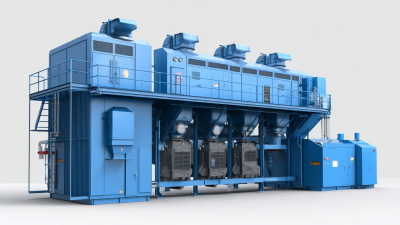
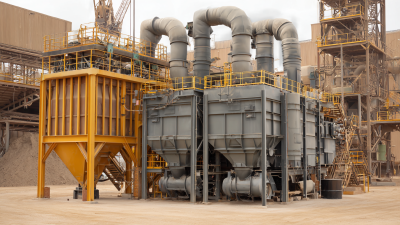
Hey, when you think about today’s industrial world, one thing’s pretty clear: keeping a safe work environment isn’t just a nice-to-have anymore, it’s absolutely essential. OSHA keeps warning us that bad air quality can really mess with people’s health—stuff like respiratory problems and long-term illnesses. And get this, thousands of cases each year come from workers being exposed to airborne dust on the job. That’s where Industrial Dust Extractors really come into play. They help pull those dangerous particles out of the air, making the workspace healthier and safer for everyone looking out for their well-being.
According to a report from NIOSH, almost 2 million workers are exposed to hazardous dust in industries like manufacturing, construction, and woodworking. So, putting in a good dust extraction system isn’t just about ticking boxes for regulations—it actually boosts productivity, too. Cleaner air helps workers focus better and cuts down on sick days. Bottom line? Investing in Industrial Dust Extractors isn’t just about following the rules; it’s a smart move for the health of your team and the overall success of your business. In the end, it makes your whole operation safer and way more efficient.

Understanding Industrial Dust and Its Hazards in Work Environments
Industrial dust is a pervasive problem across various sectors, including manufacturing, construction, and woodworking. Comprised of fine particles generated during production processes, this dust can pose significant health risks to workers. Inhalation of these particles can lead to respiratory issues, long-term lung diseases, and even conditions such as silicosis or pneumoconiosis, depending on the composition of the dust. Additionally, the accumulation of dust can create hazardous working conditions, increasing the risk of fire or explosion, particularly in environments with airborne dust particles.
Understanding the sources and types of industrial dust is crucial for implementing effective safety measures. Not all dust is created equal; some materials, such as metal shavings, wood, and silica, carry higher risks than others. Furthermore, factors like the size of the dust particles and the duration of exposure can influence the level of danger they present. By recognizing these hazards, employers can take proactive steps to mitigate risks, such as ensuring proper ventilation, implementing regular cleaning protocols, and utilizing industrial dust extractors. These measures not only protect workers' health but also contribute to maintaining a safer, more efficient work environment.
The Role of Industrial Dust Extractors in Controlling Air Quality
Industrial dust extractors play a crucial role in maintaining air quality within work environments where dust and airborne particles are prevalent. These systems are designed to capture and filter harmful particles that can originate from various industrial processes, such as cutting, grinding, sanding, and mixing. By efficiently removing dust from the air, industrial dust extractors help to minimize respiratory issues among workers, ensuring a healthier workplace. The ability to maintain clean air is not just beneficial for employee health; it also contributes to enhanced productivity and reduced absenteeism.
Moreover, the effective management of air quality through dust extraction systems aids in compliance with occupational safety regulations. Many industries are subject to strict guidelines regarding airborne pollutants, and failure to adhere to these standards can result in penalties and costly shutdowns. By implementing industrial dust extractors, businesses can not only protect their workforce but also ensure they meet legal requirements, creating a safer environment for everyone involved. Overall, the integration of these systems is vital for fostering both employee well-being and operational efficiency.
Why Industrial Dust Extractors Are Essential for a Safe Work Environment? - The Role of Industrial Dust Extractors in Controlling Air Quality
| Dimension |
Description |
Importance |
Impact on Air Quality |
| Dust Particle Capture |
Effectively captures airborne dust particles from work processes. |
Reduces health risks associated with inhaling harmful dust. |
Improves overall air quality by minimizing dust concentration. |
| Enhanced Worker Safety |
Provides a safer working environment by controlling hazardous dust. |
Decreases the incidence of respiratory issues among workers. |
Creates a cleaner air space conducive to productivity. |
| Compliance with Regulations |
Helps organizations comply with local and international air quality standards. |
Avoids legal liability and potential fines. |
Ensures that air quality meets required safety levels. |
| Increased Productivity |
A clean air environment fosters greater focus and efficiency in workers. |
Higher productivity translates to better business outcomes. |
Minimized disruptions caused by illness or discomfort from poor air quality. |
| Equipment Longevity |
Maintains machines and tools by reducing the dust that can lead to damage. |
Saves costs on repairs and replacements over time. |
Promotes a healthier environment for all equipment and machinery. |
Types of Industrial Dust Extractors and Their Applications
Industrial dust extractors play a pivotal role in maintaining a safe work environment by effectively removing harmful particles that can pose health risks to workers. There are various types of industrial dust extractors, each designed for specific applications based on the nature of the dust generated and the environment in which they operate. For example, dry dust extractors are ideal for facilities that produce fine particulate matter like wood dust or metal shavings, while wet dust extractors are better suited for environments dealing with more abrasive dust or combustible materials. According to the Occupational Safety and Health Administration (OSHA), workplaces with high dust exposure levels can increase the risk of respiratory diseases, underlining the necessity of effective dust control mechanisms.
In addition to dry and wet extractors, specialized systems like source capture and portable dust extractors are becoming increasingly popular. Source capture systems are designed to extract dust directly at the source of emission, significantly improving efficiency and minimizing exposure. Portable dust extractors provide flexibility, allowing workers to move them easily to different locations as needed. Industry reports indicate that implementing proper dust extraction systems can reduce airborne dust levels by up to 90%, which is crucial for compliance with safety standards.
Tips: Always evaluate the specific needs of your work environment when selecting a dust extractor. Consider factors such as the type of materials being processed, the size of the workspace, and the regulatory requirements in your industry. Regular maintenance and filter changes are also essential to ensure optimal performance and longevity of your dust extraction system.
Health Impacts of Dust Exposure on Workers
Dust exposure in industrial settings poses significant health risks to workers, making the implementation of industrial dust extractors a crucial aspect of workplace safety. According to the American Industrial Hygiene Association (AIHA), prolonged exposure to airborne particulates can lead to serious respiratory conditions, including chronic obstructive pulmonary disease (COPD), silicosis, and even lung cancer. The National Institute for Occupational Safety and Health (NIOSH) states that nearly 2 million workers in the United States are potentially exposed to hazardous dust levels each year, underscoring the urgent need for effective dust management solutions.
The health impacts of dust exposure extend beyond respiratory issues, also affecting neurological and cardiovascular systems. A study published in the Journal of Occupational and Environmental Medicine noted that fine particulate matter (PM2.5) can penetrate deep into the lungs and enter the bloodstream, increasing the risk of heart disease and stroke. Furthermore, the World Health Organization (WHO) estimates that around 450,000 deaths annually are linked to occupational exposure to dust in various industries. This highlights the necessity of utilizing industrial dust extractors, which can significantly reduce airborne dust concentrations and help safeguard the long-term health of the workforce. Implementing these systems not only fosters a safer working environment but also enhances productivity by minimizing worker absenteeism due to health-related issues.
Health Impacts of Dust Exposure on Workers
Regulatory Standards for Dust Control in Industries
In various industries, adhering to regulatory standards for dust control is critical for ensuring a safe work environment. Regulatory bodies have established guidelines that dictate permissible exposure limits for airborne contaminants, including dust. These standards are designed to protect not only the health of workers but also the overall integrity of the workplace. Non-compliance can lead to severe repercussions, including fines, work stoppages, and increased liability from occupational health issues.
To effectively meet these regulatory standards, industries must implement efficient dust control measures. This includes investing in industrial dust extractors that can efficiently capture and filter harmful dust particles during production processes. Regular monitoring of the air quality and employee exposure levels should also be part of compliance efforts.
Tips for ensuring compliance with dust control regulations include:
- Conduct routine risk assessments to identify areas where dust generation is highest and implement appropriate control measures.
- Train employees on best practices for minimizing dust exposure and the importance of using personal protective equipment.
- Regularly maintain and inspect dust extraction systems to ensure they are operating effectively.
By actively focusing on these aspects, industries can safeguard their employees' health while maintaining compliance with regulatory standards.
Benefits of Implementing Dust Extraction Systems
Implementing dust extraction systems in industrial settings offers numerous benefits that enhance both safety and productivity. One of the primary advantages is the improvement of air quality in the workplace. Dust particles generated during manufacturing processes can pose serious health risks to employees, including respiratory issues and long-term illnesses. By effectively capturing and removing pollutants from the air, dust extraction systems help to create a healthier environment, which ultimately leads to higher employee morale and reduced absenteeism due to health-related issues.

Moreover, dust extraction systems can significantly enhance operational efficiency. When machines and work surfaces are free from excessive dust and debris, they operate more smoothly and require less maintenance. This results in reduced downtime and lower operational costs. Additionally, effective dust management minimizes the risk of explosions or fires caused by combustible dust, further ensuring the safety of the workplace. Thus, the integration of dust extraction systems not only fulfills regulatory obligations but also fosters a culture of safety and efficiency, benefiting both the organization and its employees.
Best Practices for Maintaining Industrial Dust Extractors
Maintaining industrial dust extractors is crucial for ensuring a clean and safe work environment. Regular maintenance not only extends the life of the equipment but also maximizes its efficiency in capturing harmful dust particles. To keep your dust extractor in optimal condition, create a routine maintenance schedule that includes checking filters, inspecting hoses, and ensuring all components are functioning properly.
Tips: Always make sure to clean or replace filters according to the manufacturer's recommendations. Clogged filters not only reduce suction but can also lead to larger particles escaping back into the environment. Additionally, routinely check for any signs of wear and tear on hoses and attachments to prevent dust leaks that could jeopardize air quality.
Another best practice is to maintain a clean workspace around the dust extractor itself. This includes clearing away any debris that could obstruct airflow or pose a safety hazard. Implementing a culture of cleanliness not only supports the functionality of the equipment but also fosters a safer workplace overall. Regularly remind employees of the importance of keeping their work areas tidy to minimize dust buildup and improve equipment performance.
Maximizing Efficiency and Performance: A Comprehensive Guide to ACPL-216 Screw Air Compressors Fluid
Maximizing efficiency and performance in industrial applications is crucial for maintaining competitiveness and profitability. ACPL-216 screw air compressors are designed to excel in this regard, particularly through the use of high-performance additives and a highly refined base oil formula. This superior formulation not only provides exceptional lubrication under various operating conditions but also enhances the oxidation stability and high-temperature stability of the compressor oil. According to industry reports, effective lubrication can extend equipment life significantly, with studies showing that well-lubricated systems can reduce wear by as much as 40%.
One of the standout features of ACPL-216 is its impressive operational longevity, boasting a working time of up to 4000 hours under standard conditions. This longevity is particularly important for screw air compressors with power ratings below 110kW, as it minimizes the frequency of oil changes and maintenance interventions, thereby reducing downtime. Data suggests that maintaining proper lubrication can result in up to 15% savings in energy costs, making it a wise investment for facilities aiming to optimize their operational efficiency.
Furthermore, the combination of effective lubrication and advanced formulation means that users can expect not only increased performance but also better overall system reliability. As industries become more demanding, the importance of using high-quality lubricants in screw air compressors will only continue to grow, leading to improved productivity and a healthier bottom line for businesses.
FAQS
: Regulatory standards for dust control are established guidelines set by regulatory bodies that dictate permissible exposure limits for airborne contaminants, including dust, aiming to protect worker health and ensure workplace integrity.
Compliance is crucial because non-compliance can result in severe consequences, such as fines, work stoppages, and increased liability from occupational health issues.
Industries should invest in dust extractors, conduct regular air quality monitoring, perform routine risk assessments, train employees on best practices, and maintain dust extraction systems.
Dust extraction systems enhance workplace safety by capturing and removing harmful dust particles, thereby reducing health risks to employees, including respiratory issues and long-term illnesses.
Dust extraction systems improve operational efficiency by keeping machines and work surfaces clean, which reduces maintenance needs, minimizes downtime, and lowers operational costs.
By focusing on effective dust management, training employees on safe practices, and adhering to regulatory obligations, industries can promote a culture of safety and efficiency that benefits both the organization and its employees.
Poor dust management can lead to serious health risks for employees, including respiratory illnesses and other long-term health conditions due to prolonged exposure to airborne dust particles.
Employee training is essential as it equips workers with knowledge on minimizing dust exposure, understanding the importance of personal protective equipment, and following best practices to ensure a safer work environment.
Regular maintenance and inspections should be conducted to ensure dust extraction systems are operating properly; if they are not effective, immediate corrective actions should be taken to prevent health risks and ensure compliance.
Effective dust control practices lead to a healthier work environment, which can improve employee morale and reduce absenteeism due to health-related issues, fostering a more productive workforce.
Conclusion
Industrial dust extractors play a crucial role in maintaining a safe work environment by controlling airborne dust and enhancing air quality. The presence of industrial dust poses significant health hazards to workers, including respiratory issues and long-term illnesses. Understanding the types of dust extractors and their specific applications can help industries effectively manage dust levels and comply with regulatory standards for dust control.
Implementing a well-designed dust extraction system not only protects workers' health but also leads to increased productivity and reduced downtime caused by health-related issues. Furthermore, adhering to best practices for maintaining industrial dust extractors ensures their efficiency and longevity. Overall, the strategic use of industrial dust extractors is essential for safeguarding worker health and promoting a safe and compliant workplace.