0%

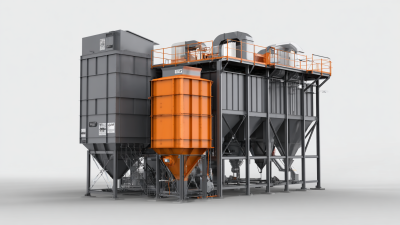
Picking the right industrial dust extractor isn't just a detail—it’s super important for any manufacturing setup. These machines are what keep the air clean by trapping airborne dust, which is a huge deal for safety and overall air quality. Getting the right one can really boost both productivity and keep workers safer on the job. But here’s the thing: there are so many factors to consider—like airflow, how well it filters, and even how loud it sounds. Different industries have their own unique needs, so it’s really about tailoring your choice to what fits best.

Knowing the ins and outs of these dust extractors can make a big difference, especially when it comes to longevity and dependability. Paying attention to details is key—some models might not catch those tiny particles, which could be a safety issue. And while price is definitely a consideration, it shouldn’t come at the cost of quality. It usually pays off to go with a trusted brand—better results, less headaches.

Big names like Camfil and Donaldson lead the way with some pretty advanced options, but honestly, the options can feel overwhelming. It’s worth taking the time to really evaluate what your specific needs are and how your workflow looks before making a call. Checking out reviews from other users can give you a solid sense of how reliable and effective a model really is. Yeah, you might mess up a bit along the way—that's normal—and it’s all about figuring out what’s the best fit for your particular situation.

Top Tips for Choosing Industrial Dust Extractors for Your Needs?

Understanding Industrial Dust Extractors: A Comprehensive Guide

Choosing the right industrial dust extractor can be challenging. A solid understanding of how these systems work is essential. Industrial dust extractors are designed to capture harmful dust particles from the air. They operate through powerful suction systems that can significantly improve workplace air quality.


When evaluating dust extractors, consider the type of dust generated in your environment. Some systems perform well with fine dust, while others may not be as effective. It's important to assess the volume of dust and airflow requirements. Often, noise levels can be overlooked but are critical in choosing the right machine for your workspace.


Furthermore, installation and maintenance are key aspects. Sometimes, businesses underestimate the need for regular servicing. A well-maintained unit operates efficiently and lasts longer. Balancing costs with long-term efficiency is another vital consideration. Reflecting on these factors helps in making an informed decision.

Key Factors to Consider in Dust Extraction System Selection

When selecting an industrial dust extractor, consider several key factors that align with your specific needs. The size of your space is crucial. A larger area requires more powerful systems to efficiently capture dust. Think about the type of dust generated. Wood dust and metal particles have different characteristics. This impacts what filtration system you'll need.

Ventilation plays a vital role. Proper airflow helps the extractor work effectively. You might need to assess the layout of your workspace. Sometimes, modifications are necessary to optimize dust extraction. Also, noise levels matter. A quieter system can improve the working environment, especially if you’re in a confined space.

Maintenance requirements cannot be overlooked. Some systems are easier to clean and service than others. Regular upkeep ensures longevity and reliability. Think about the cost of ownership. While initial costs are important, long-term expenses also add up. Aim for a balance between performance and financial feasibility. Each choice requires reflection on how it meets your unique operational demands.

Top Tips for Choosing Industrial Dust Extractors for Your Needs

Factor Description Considerations
Airflow Rate The volume of air that the extractor can move per minute. Ensure it matches the size and type of the workspace.
Filtration Efficiency The effectiveness of the extractor in capturing dust particles. Check for HEPA filters for fine dust.
Noise Level The sound produced by the extractor during operation. Consider models with lower decibel ratings for quieter environments.
Portability Ease of moving the extractor between locations. Look for wheels or compact designs.
Maintenance Requirements How often the extractor needs to be serviced and cleaned. Choose models with easy-to-replace filters and minimal upkeep.
Energy Consumption The amount of power the extractor uses during operation. Look for energy-efficient models to reduce costs.

Analyzing Airflow Requirements for Effective Dust Control

Top Tips for Choosing Industrial Dust Extractors for Your Needs?

When selecting an industrial dust extractor, understanding airflow requirements is essential. Airflow is crucial for effective dust control. It determines how efficiently dust is captured and removed from the workspace. The size of your filtration system should align with the volume of air processed. Larger spaces typically require higher airflow rates to maintain air quality. Inadequate airflow might lead to dust accumulation, which can pose health risks.

Conducting a thorough assessment of your workspace is vital. Measure the room dimensions and consider the types of dust generated. Different materials produce varying dust types, all requiring specific airflow rates for optimal extraction. Some industries may need specialized solutions based on the dust's characteristics. A simple calculation of airflow needs can evolve into a complex dilemma. Sometimes, we find that our requirements change with different projects.

Installing a dust extractor that doesn’t meet airflow requirements can lead to inefficiencies. This miscalculation might force workers to compromise on safety measures. Regular evaluations of the system's performance are necessary. A consistent review can help ensure that the airflow remains effective over time. Mistakes in selection can lead to increased operational costs and potential regulatory issues. Being proactive in assessing airflow can prevent these challenges.

Evaluating Filter Types: HEPA vs. Cartridge Filters in Industry

When selecting dust extractors, filter types play a crucial role. HEPA and cartridge filters are popular choices. HEPA filters capture at least 99.97% of particles, offering high filtration efficiency. They are especially effective for fine dust and airborne contaminants. Their design allows for better air quality, which benefits worker health. However, HEPA filters can be more expensive and require regular maintenance.

On the other hand, cartridge filters are versatile and can handle larger dust particulate sizes. They are often more durable and easier to clean. This makes them suitable for industries dealing with heavy dust loads. Yet, their efficiency may not match that of HEPA filters for finer particles. Choosing between these filters depends on specific operational needs. Consider factors like dust type, volume, and cleanup frequency. It’s essential to assess your facility’s requirements clearly. Overlooking these details may lead to inadequate filtration solutions, affecting worker safety. Each filter type has its strengths and weaknesses. Understanding these nuances is vital for making an informed decision.

Importance of Noise Levels in Dust Extraction Equipment

When selecting industrial dust extractors, noise levels are often overlooked. Yet, they significantly impact the work environment. High noise levels can lead to discomfort for employees. Prolonged exposure may even cause hearing loss over time. Many workers find it difficult to focus in noisy settings. A quiet dust extractor can enhance productivity and morale.

Consider the noise ratings of different models. The lower the decibel level, the better for your workspace. However, don't just rely on numbers. Manufacturers may not always provide accurate data. Real-world testing is ideal. Speak to others in your industry to gather insights. Personal experiences can reveal unanticipated issues.

Remember, even a quieter extractor may not meet your needs. Think about other factors like airflow and filter efficiency. Balancing noise with performance can be challenging. It’s a puzzle that requires careful thought. Reflect on what truly matters for your environment. Choosing the right dust extractor is an investment. It’s about creating a safe and productive workspace while minimizing noise disruption.

Assessing Maintenance and Operating Costs of Dust Extractors

When selecting industrial dust extractors, it’s crucial to consider their maintenance and operating costs. Regular maintenance can significantly impact overall efficiency. Budgeting for routine checks helps avoid unexpected expenses down the line. Consult with professionals to determine the optimal maintenance schedule.

Operating costs are equally important. Energy efficiency plays a vital role. Assess the power usage of the extractor. More efficient models may have a higher upfront cost but could save money in the long run. It's wise to calculate your yearly energy consumption based on the model’s specifications.

Here are a couple of tips for choosing the right dust extractor:

  • First, evaluate your specific dust types and volumes. This will guide you in selecting the right capacity and filtration system.
  • Second, consider the noise levels of the extractor. Comfortable operation ensures a better work environment.
Remember, the right choice impacts productivity and overall satisfaction in the workplace.

Regulatory Standards and Compliance in Dust Extraction Solutions

When selecting industrial dust extractors, compliance with regulatory standards is crucial. Different industries face specific air quality regulations, notably those set by OSHA and EPA. Understanding these guidelines ensures that businesses avoid costly fines. For instance, OSHA mandates a permissible exposure limit for airborne dust in the workplace. Performance data indicates that improper dust extraction can lead to up to 40% increased respiratory issues among workers.

Regulatory standards also dictate the design and efficiency of dust extraction systems. Dust extractors must capture particulates effectively to meet compliance. A well-designed system can remove up to 99% of harmful particles. However, not all systems achieve this. Regular audits and assessments of extraction equipment are necessary to ensure they adhere to the requirements. Without these checks, companies risk non-compliance.

Additionally, varying industries present unique challenges. Construction sites generate large dust volumes, while woodworking facilities produce fine particles. Each has tailored solutions. The key lies in ongoing education about regulations and the technologies available. Companies should consult industry data to make informed decisions regarding their dust extraction needs. By doing this, they ensure compliance and protect their workforce.

Enhancing Operational Efficiency: Insights from Recent Industry Reports on CARGO Food-grade Mineral Gear Oil WHITE GEAR 320 Applications

Enhancing operational efficiency in the food-processing industry requires specialized solutions that prioritize both performance and safety. Recent industry reports highlight the importance of utilizing high-quality products like food-grade mineral gear oils. One such solution is a semi-synthetic transmission oil specifically designed for environments that demand a high level of purity. This oil offers exceptional adhesive properties, ensuring reliable lubrication across various applications.

The unique formulation of this food-grade transmission oil allows it to perform effectively under a wide range of temperatures, making it versatile for different operational conditions. Its "self-climbing" characteristic enables it to adhere to surfaces, providing continuous lubrication even in challenging environments. Additionally, its waterproof nature facilitates easy removal of any water or condensation that may accumulate, thus enhancing the reliability of the transmission over time. Such qualities are essential for maintaining operational efficiency and prolonging the lifespan of machinery in food-processing settings.

By integrating this type of specialized oil into their operations, businesses can not only streamline processes but also meet stringent safety and hygiene standards. The focus on high-purity lubricants is a crucial step toward ensuring that food processing operations run smoothly while minimizing the risk of contamination.

FAQS

: Why are noise levels important in dust extraction equipment?

: Noise levels impact employee comfort and focus. High noise can lead to discomfort and even hearing loss over time.

How can I verify the noise ratings of dust extractors?

Don’t solely rely on manufacturer data. Conduct real-world testing and gather insights from industry peers.

What factors should I consider besides noise levels?

Consider airflow and filter efficiency. Balancing these factors can be challenging yet essential for performance.

How does regular maintenance affect dust extractors?

Routine checks ensure efficiency and prevent unexpected costs. Budgeting for maintenance is crucial for long-term use.

What role does energy efficiency play in operating costs?

More efficient models save money over time despite higher initial costs. Assess yearly energy consumption based on specifications.

Why is compliance with regulatory standards vital?

Compliance avoids fines and protects worker health. Improper dust extraction can lead to increased respiratory issues.

How do industry-specific regulations impact dust extractors?

Each industry faces unique challenges, such as varying dust volumes. Tailored solutions ensure compliance and efficiency.

What are the risks of non-compliance with dust extraction standards?

Companies face fines and increased health issues among workers. Regular audits are necessary to avoid these risks.

How should I choose a dust extractor for my specific needs?

Evaluate dust types and volumes, alongside noise levels. The right choice enhances productivity and employee satisfaction.

What educational resources are available for dust extraction technologies?

Consult industry data and ongoing education to understand regulations and technologies for better dust extraction solutions.

Conclusion

Choosing the right Industrial Dust Extractors is crucial for maintaining a safe and efficient working environment. This guide provides an in-depth understanding of various dust extraction systems, emphasizing key factors such as airflow requirements and filter types, including HEPA and cartridge filters. Evaluating these aspects ensures effective dust control tailored to specific industrial needs.

Additionally, considerations such as noise levels, maintenance, and operating costs are vital for selecting the most suitable dust extraction solution. Compliance with regulatory standards further underscores the importance of investing in appropriate Industrial Dust Extractors. By balancing these factors, industries can significantly improve air quality and worker health while optimizing their dust management processes.

Ethan

Ethan

Ethan is a dedicated marketing professional with extensive knowledge in the field of lubrication solutions. He plays a pivotal role in promoting the company's advanced products, which include compressor lubricants, vacuum pump lubricants, and refrigerated compressor lubricants. With a strong......
Previous 2026 Best Mineral Lubricant Options for Global Buyers?