0%

When you're dealing with industries where good air quality really matters, choosing the right filter for your dust collection system can actually make a pretty big difference. Did you know that, according to the EPA, around 4.6 million workers are exposed to harmful dust at their jobs? Using the proper filters can cut down dust levels by up to 90%, which is awesome because it keeps workers safe and also boosts how smoothly things run.

Now, picking the right filter isn’t just about what kind of dust you have. There are a few other things to consider, like how much airflow you need and what kind of filtration technology is best for your setup. The American Industrial Hygiene Association mentions that HEPA filters can trap 99.97% of tiny particles as small as 0.3 microns. That’s pretty impressive! But here’s the thing—not every facility really needs such high-grade filters, which can make choosing a bit confusing.

Some companies find it tricky to strike that perfect balance between spending too much and getting enough efficiency. That’s why it’s so important to really understand what kind of dust you’re dealing with and what your operational needs are. Taking the time to pick the right filter can lead to cleaner air, better safety compliance, and peace of mind all around.

Top Filters for Dust Collector Systems What Should You Choose?

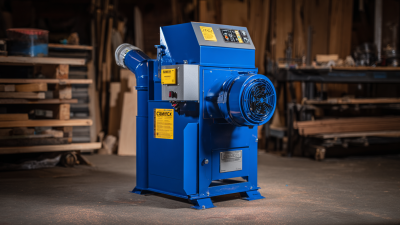
Understanding Dust Collector Systems and Their Importance

Dust collector systems play a vital role in maintaining air quality in various industries. They are crucial for protecting workers from hazardous dust and particulate matter. According to a report by the Occupational Safety and Health Administration (OSHA), over 2 million workers are exposed to respirable crystalline silica in their workplaces. This exposure can lead to serious health issues, including lung disease.

Proper filtration is essential for these systems. A study from the American Industrial Hygiene Association (AIHA) found that effective filtration can eliminate up to 99% of harmful particles. However, many facilities overlook the importance of regular maintenance and filter replacement. Neglecting these tasks can compromise air quality. It can lead to dust accumulation, increasing the risk of respiratory problems among workers.

Selecting the right filters is not straightforward. Factors such as particle size, airflow, and dust concentration significantly impact filter performance. If a system is not tailored to specific conditions, inefficiencies can arise. Ultimately, understanding the unique requirements of your environment is crucial for effective dust control. Regular assessments and updates to filtration systems should be part of every facility's safety strategy.

Top Filters for Dust Collector Systems

Filter Type Material Efficiency (%) Max Temp (°F) Applications
Cartridge Filter Polyester 99.9 180 Woodworking, Metalworking
Bag Filter Polypropylene 95 150 Food Processing, Pharmaceuticals
HEPA Filter Glass Fiber 99.97 220 Healthcare, Electronics
Ultrafiltration Membrane Membrane Material 99 100 Chemical Processing, Wastewater Treatment
Electrostatic Precipitator Metal 90 300 Industrial Processes, Power Plants

Types of Dust Filters Available for Collector Systems

Selecting the right dust filter is crucial for efficient dust collector systems. Various types of dust filters are available today. Common options include bag filters, cartridge filters, and HEPA filters. Each type serves specific purposes and varies in filtration efficiency and maintenance needs.

Bag filters are popular in industrial settings. They can capture particles as small as 1 micron. However, they often require regular cleaning to maintain airflow. Cartridge filters, on the other hand, are compact and easy to replace. They can handle fine particles and typically offer higher filtration efficiency. Reports indicate that well-maintained cartridge filters can achieve efficiencies above 99%, but they may not last as long as bag filters.

HEPA filters are the gold standard for air quality. They trap at least 99.97% of particles at 0.3 microns. This level of filtration is essential in cleanrooms or medical environments. However, their initial costs are higher. Many facilities overlook replacement schedules, leading to reduced system performance. Choosing the right filter involves weighing the benefits against operational realities and ongoing costs.

Key Factors to Consider When Choosing Dust Filters

When selecting dust filters for collector systems, several key factors come into play. The filter's efficiency rating, often measured by its Minimum Efficiency Reporting Value (MERV), determines its ability to capture fine particles. A MERV rating of 14 or higher is typically recommended for industrial applications. According to a report from the Environmental Protection Agency (EPA), effective filtration can reduce airborne particles by over 90%, significantly improving workplace air quality.

Filter material is another critical factor. Options include polyester, fiberglass, and cellulose. Each material has distinct advantages and disadvantages. Polyester filters, for example, are highly durable and can withstand harsh conditions, but they may come at a higher cost. A study by the Industrial Filter Manufacturers Association noted that over 30% of users switched materials for better performance. This indicates a need for careful consideration of filter type based on specific dust exposure.

Tips: Consider the application context when choosing filters. Analyzing the size and type of dust can guide better decisions. Regular monitoring of filter performance is essential. This will help in timely replacements and ensure optimal efficiency. Lastly, don’t overlook installation specifics. Improper setups can compromise filter effectiveness, leading to increased maintenance costs.

Comparative Analysis of Filter Materials and Their Performance

Top Filters for Dust Collector Systems What Should You Choose?

When choosing filters for dust collector systems, material performance is crucial. Various filter materials like polyester, polypropylene, and fiberglass offer different benefits. Polyester filters are commonly favored for their affordability. However, they might not perform as well in extreme temperatures compared to fiberglass options.

Fiberglass filters can endure higher temperatures, proving effective in demanding environments. Still, they may be more expensive and require regular maintenance. This adds complexity to operations. Polypropylene filters, on the other hand, are lightweight and provide excellent chemical resistance. Yet, they can struggle with heavy dust loads.

Understanding these differences is essential. The right choice depends on specific needs. For instance, industries requiring durable materials may prioritize fiberglass despite the cost. Regular performance reviews can reveal flaws in any chosen filter. A balance between cost and effectiveness requires ongoing reflection.

Maintenance and Replacement Strategies for Dust Filters

When it comes to maintaining dust collector systems, the filters play a crucial role. Regularly checking the condition of your filters is essential. Clogged filters reduce efficiency and increase energy costs. If you notice a drop in suction power, it’s time to inspect them.

Changing filters can be a challenge. Many users forget about the maintenance schedule. This can lead to unexpected failures. Remember, not all filters need replacement at the same time. You should track the usage of each filter closely. This data will help you decide when to replace them.

Cleaning filters is also vital. Some filters can be cleaned and reused. This saves money and reduces waste. However, cleaning methods vary. Some may require air jet cleaning, while others need simple manual shaking. Ensure you follow the specific guidance for your system. Regularly assess your cleaning methods to avoid damaging filters. This reflection will help improve your maintenance routine.

Cost Considerations and Budgeting for Dust Collector Filters

When budgeting for dust collector filters, consider several key factors. Initially, evaluate the type of dust generated in your facility. Different materials require specific filter media. For instance, fine dust particles may need high-efficiency filters. Conversely, coarser dust may work well with more affordable options. Be mindful of the application and airflow requirements.

Next, factor in maintenance costs. High-efficiency filters may need replacement less frequently. However, they often come at a higher initial cost. Assess the total cost of ownership over time. Sometimes, a cheaper filter ends up being more expensive due to frequent replacements. Consider whether you have the resources for regular maintenance or if outsourcing is necessary.

Don't forget about energy consumption when choosing filters. Certain filters can restrict airflow, leading to higher energy bills. Look for options that optimize airflow while capturing dust effectively. It's crucial to balance upfront costs with long-term savings. Evaluate your choices critically; not every option suits every facility. Be prepared for some trial and error to find the best fit for your needs.

Cost Considerations for Dust Collector Filters

Environmental Impact of Dust Collector Systems and Filters

The environmental impact of dust collector systems is significant. These systems capture airborne particles, reducing pollution in industrial settings. Effective filters can improve air quality but have their challenges. For instance, according to the Environmental Protection Agency, dust emissions can drop by over 90% with proper filtration. However, not all filters are equally effective.

Many filters rely on synthetic materials, which can contribute to microplastic pollution. Recent studies indicate that up to 10% of collected dust may escape into the environment if systems are not well-maintained. Regular inspections are crucial. Industrial facilities often overlook maintenance schedules, leading to inefficiencies. This oversight can negate the benefits of a dust collector system and increase environmental harm.

Furthermore, the disposal of used filters presents another challenge. Landfill waste from used filters can be substantial. Industry reports suggest that the disposal of these materials, if not managed properly, could lead to soil and water pollution. Thus, while dust collector systems aim to enhance air quality, their environmental footprint must be critically assessed.

Essential Considerations for Choosing the Right Cartridge Filter for Your Dust Collector

When selecting a cartridge filter for your dust collector, understanding the intricacies of filtration efficiency and durability is essential. The unique concave fold pattern design of modern filter cartridges ensures that the entire filtration area is utilized, providing optimal performance. In fact, studies indicate that the effectiveness of a filter can significantly impact not only air quality but also operational efficiency in industrial settings. A well-designed filter can enhance dust collection systems by up to 30%, leading to improved overall productivity.

Moreover, the craftsmanship behind these filter cartridges plays a crucial role in their performance. Utilizing advanced technology for bonding specialized filter cartridge adhesives contributes to their strong durability. This process ensures that the filter can withstand demanding environmental conditions, which is a critical factor in maintaining system efficiency. The optimal fold spacing is another key feature that promotes uniform filtration, reducing pressure differentials that can affect airflow stability in the spray room. This stability is vital, as it aids in the consistent removal of airborne particulates, which can otherwise lead to equipment downtimes.

In addition, the innovative folding top design with a curved transition not only increases the effective filtration area but also prolongs service life. Elasticity and low hardness in the sealing rings further enhance the seal integrity, ensuring that no particles escape during the filtration process. This tailored approach to cartridge design significantly enhances the overall effectiveness of dust collection systems, addressing both performance and maintenance needs while complying with industry standards for air quality and safety.

FAQS

: Why are dust collector systems important?

: They maintain air quality and protect workers from hazardous dust exposure. This prevents serious health issues.

What is the impact of regular maintenance on dust collectors?

Regular maintenance ensures effective filtration and prevents dust accumulation, reducing respiratory risks among workers.

How do I know when to change filters?

Monitor for drops in suction power and track the usage of each filter closely. This aids in timely replacements.

Can filters be cleaned and reused?

Yes, some filters can be cleaned. However, cleaning methods vary and must be followed to avoid damage.

What should I consider when budgeting for dust filters?

Evaluate the type of dust generated, maintenance costs, and energy consumption. Balance upfront and long-term costs.

Why is selecting the right filter challenging?

Factors like particle size, airflow, and dust concentration affect performance. Each environment has unique requirements.

How can I reduce energy costs with filters?

Choose filters that optimize airflow while effectively capturing dust. Poor airflow can lead to higher energy bills.

What happens if maintenance is neglected?

Neglect can lead to inefficient filtration and compromised air quality, increasing respiratory problems among workers.

Why is understanding your environment crucial for dust control?

Each facility has different conditions, making it essential to tailor the system and filters to specific needs.

What should I reflect on during maintenance?

Regularly assess your cleaning methods and maintenance routine to improve efficiency and prevent costly failures.

Conclusion

Dust collector systems play a crucial role in maintaining air quality and ensuring workplace safety. Understanding the various types of filters for dust collectors is essential for optimizing performance and efficiency. When selecting a filter for a dust collector, factors such as filter material, airflow capacity, and specific dust characteristics must be carefully considered.

Additionally, a comparative analysis of different filter materials can provide insights into their performance and longevity. It is also important to establish maintenance and replacement strategies to prolong the lifespan of filters while being mindful of cost considerations and budgeting. Lastly, evaluating the environmental impact of dust collector systems and their filters is vital for sustainable operations. Choosing the right filter for dust collector systems not only improves performance but also contributes to a healthier work environment.

Isabella

Isabella

Isabella is a dedicated marketing professional specializing in integral lubrication solutions, with a keen focus on high-temperature chain lubricants. With extensive knowledge of the company's core products, which include compressor lubricants, vacuum pump lubricants, and refrigerated compressor......
Previous Advantages of Using the Best Reliant Dust Collector 720 for Your Manufacturing Needs