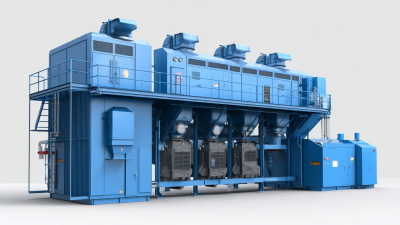
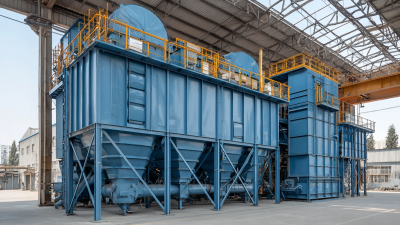
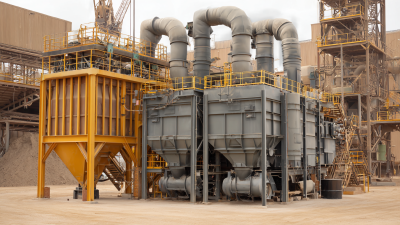
In the manufacturing world, keeping dust under control is a big deal. It’s pretty clear that understanding what an Industrial Dust Collector Manufacturer does is super important, too. Like Mark Smith, a real expert in this area, often says, “Picking the right dust collector can really boost both efficiency and safety.” For companies that care about their workers’ health and want to stay compliant with regulations, making smart investments here isn’t just a good idea—it can make a real difference.
But honestly, a lot of manufacturers get stuck when trying to pick the right equipment. Not all dust collectors are created equal, you know? Some might claim they’re super efficient but don’t quite deliver in real-world use. And then there's the trouble of fitting these systems into what’s already going on in the plants. That’s where a good Industrial Dust Collector Manufacturer can step in with custom solutions that actually work for your specific set-up.
Dust control isn’t just about buying machines—it’s about building a culture of safety at the workplace. Every company needs to think about what their actual needs are. Relying on off-the-shelf options without considering the details can lead to less-than-great results. Taking the time to choose the right equipment can really change how things run. It’s all about figuring out what works best and what doesn’t. And honestly, finding that perfect dust collection setup is an ongoing journey—something we’re always tweaking and improving.
Industrial dust collectors play a crucial role in maintaining air quality in various manufacturing environments. These systems capture harmful dust particles that can affect worker health and productivity. According to a report from the Environmental Protection Agency (EPA), poor air quality in industrial settings can lead to a 20% increase in health-related absences. This highlights the importance of effective dust management.
It’s essential to select the right dust collector for your needs. Factors include the type of material being handled, volume of dust generated, and the specific work environment. Ensure proper maintenance to optimize performance. Regular checks can prevent costly failures. A recent industry study revealed that companies that conduct routine maintenance on dust collectors see a 15% increase in overall efficiency.
Tips: Always involve your employees in discussions about dust management solutions. Their input can provide valuable insights. Additionally, consider investing in training programs on the importance of air quality. This can foster a culture of safety and awareness, leading to better compliance and overall workplace health. Evaluate your current systems regularly to identify areas for improvement. This proactive approach can significantly impact your operation’s sustainability and efficiency.
When selecting top dust collector manufacturers, several criteria are vital. First, consider their experience in the industry. Manufacturers with a long history often have refined their processes. They understand the nuances of various applications. Check if they have expertise in your specific industry needs. It can make a significant difference in performance.
Next, quality control plays a critical role. You want reliable units that can withstand harsh conditions. Look for manufacturers who follow strict quality standards. Certifications can indicate a commitment to excellence. Also, consider their customer support. Good service ensures you get assistance when needed. A responsive support team can make operations smoother.
Lastly, assess their technology. Advanced dust collection systems offer improved efficiency. Newer designs may have better filtration and energy-saving features. Don’t forget to review user feedback. Clients' experiences can reveal potential issues or advantages. Sometimes, their insights will help you make an informed decision. Choosing the right manufacturer requires careful thought.
When looking for the right industrial dust collector, knowing the leading manufacturers can be a game-changer. There are many key players in the field, each offering unique solutions. They focus on energy efficiency, filtration effectiveness, and durability in their products. Some companies specialize in heavy-duty applications, while others target smaller operations.
These manufacturers often provide customized solutions to meet specific needs. Their design teams collaborate closely with clients to ensure optimal performance. It's important to consider the type of dust generated by your operations. Not all collectors suit every environment. Researching the industry can reveal which company aligns with your requirements.
Investing in the right dust collector can significantly enhance workplace safety and productivity. However, the initial cost can be a hurdle for many businesses. Weighing the long-term benefits against upfront expenses is crucial. Continuous maintenance and regular updates can also feel overwhelming but are necessary for sustaining performance. Such reflections can help in making informed decisions in the long run.
In the industrial sector, dust collection is crucial for maintaining air quality. Many manufacturers lead this field with distinct strengths. They contribute significantly to various sectors, including manufacturing, food processing, and pharmaceuticals. Industry reports indicate that effective dust collection systems can improve worker health and productivity. A well-designed system captures up to 99% of airborne particles.
Some leading manufacturers offer customizable solutions. These options cater to individual facility needs. Flexible systems adapt to changing production processes. However, not all designs consider ease of maintenance. This oversight can lead to downtime, affecting overall efficiency. Reports show that regular maintenance can increase lifespan and performance. Yet, many installations neglect this crucial aspect.
Next, energy efficiency remains a hot topic. Different systems consume varying amounts of energy. Some innovative designs use less power, lowering operational costs. However, companies focusing solely on cost may ignore long-term benefits. Often, the cheapest option leads to higher maintenance costs down the line. Effective solutions integrate both performance and sustainability. The balance is imperative for future advancements in industrial dust collection.
| Manufacturer | Headquarters | Year Established | Main Products | Market Reach |
|---|---|---|---|---|
| Manufacturer A | USA | 1990 | Baghouse Filters, Cyclones | Global |
| Manufacturer B | Germany | 1985 | Cartridge Collectors, HEPA Filters | Europe, Asia |
| Manufacturer C | Canada | 2000 | Portable Dust Collectors, Wet Collectors | North America |
| Manufacturer D | UK | 1975 | Industrial Vacuums, Dust Extraction Systems | Worldwide |
| Manufacturer E | Australia | 1995 | Centralized Dust Collection, Filtration Systems | Oceania, Asia |
| Manufacturer F | Japan | 1980 | Dust Control Systems, Composite Filters | Asia, Global |
| Manufacturer G | France | 1998 | High-Efficiency Collectors, Environmental Solutions | Europe, Africa |
| Manufacturer H | Italy | 2005 | Multi-Purpose Collectors, Custom Solutions | Europe, Asia |
| Manufacturer I | South Korea | 2010 | Industrial Filter Media, Dust Control Equipment | Asia, Global |
| Manufacturer J | Netherlands | 1992 | Fume Extraction Systems, Custom Filters | Europe, North America |
Dust collection technologies vary widely in design and efficiency. The core types include baghouses, cartridge collectors, and cyclone separators. Each system has its strengths and weaknesses. According to industry reports, baghouses capture up to 99.9% of particulates. However, they can be costly to maintain and operate. Their efficiency decreases with increasing dust load, raising operational concerns.
Cartridge collectors are compact and offer efficient filtration. Studies suggest they operate effectively in smaller spaces. Yet, they may not handle high dust volumes as efficiently as baghouses. Cyclone separators are less effective for fine particulate matter but excel in handling large debris. They often serve as pre-filters. The choice of dust collector impacts air quality, employee safety, and operational costs.
Performance metrics are essential. A report highlighted that over 70% of dust collector failures stem from inadequate system design. Performance degrades over time, due to filter clogging and wear. Maintaining optimal throughput is critical. Facilities must evaluate their unique needs before selecting a system. An ill-fitted option could lead to increased emissions and reduced efficiency. This is an often-overlooked issue.
Industrial dust collectors play a crucial role across numerous sectors. Their primary function is to capture harmful dust and contaminants, ensuring cleaner air and optimal working environments. In manufacturing, for example, dust collectors help reduce health risks for employees. According to industry studies, about 2 million U.S. workers are exposed to dust-related hazards annually. This stark number highlights the importance of effective dust management.
In woodworking, dust collection systems are vital. Wood dust is a significant health risk, linked to respiratory issues and even cancer. Industries utilizing metalworking processes also face similar challenges. The collection of metal shavings and dust is essential to maintain safety. In fact, reports indicate that about 15% of workplace injuries stem from airborne contaminants. These statistics reveal the pressing need for robust dust collection solutions.
Despite advancements in technology, many facilities still struggle with dust management. Some companies underestimate the potential costs of not addressing dust issues. Reports show that inadequate collection methods can lead to fines and increased operational costs. It raises questions about how preparedness can directly impact business sustainability. Therefore, industries must reflect on their dust collection practices and seek improvements for a safer and more efficient future.
The future of dust collection technology is evolving rapidly. As industries push for cleaner work environments, new innovations are emerging. One trend is the use of smart technology. Sensors can now monitor air quality in real-time. This data helps optimize dust collector performance. However, integration can be complex. Not all facilities may be ready for such advancements.
Another important direction is sustainability. Manufacturers are focusing on energy-efficient designs. This not only reduces operational costs but also lowers carbon footprints. However, achieving high efficiency often requires higher initial investments. Some businesses may hesitate to adopt these systems. Despite this, the long-term benefits are significant.
Moreover, regulations around air quality are tightening. Companies must adapt or face penalties. The shift toward eco-friendly materials in manufacturing may also drive changes in dust collection systems. Innovations could include biodegradable filters. Yet, the durability and effectiveness of these materials remain questions to explore. As trends progress, feedback from industries will shape the next generation of dust collectors. Consideration of end-user needs will be crucial for future developments.
: The article discusses various trends and insights in the current market landscape.
Look at sales data, consumer behaviors, and industry reports. Analyze social media and news.
It helps businesses tailor products and marketing strategies. Ignoring it can lead to misalignment.
Technology enables data collection and analysis. It improves accuracy and efficiency.
Yes, data can be overwhelming. Interpreting it correctly requires expertise and time.
Regularly, at least quarterly. The market can change rapidly, making fresh insights crucial.
Absolutely. They can adapt quickly, often leading to competitive advantages.
Use them to adjust strategies. However, be cautious of bias in interpretation.
Yes, not all trends fit every business. Critical assessment is necessary before acting.
Constantly innovate and listen to customers. Stay adaptable to changing needs.
Industrial dust collectors play a crucial role in maintaining a safe and healthy work environment by effectively managing airborne particles and contaminants in various industries. In selecting a top industrial dust collector manufacturer, key criteria include the efficiency of dust collection technologies, the manufacturer’s reputation, and their ability to customize solutions to meet specific industry needs.
This article provides an overview of leading industrial dust collector manufacturers, highlighting their distinct features and performance metrics. Additionally, it explores the diverse applications of dust collectors across different sectors and discusses emerging trends in dust collection technology, which promise to enhance operational efficiency and compliance with health standards. Understanding these elements is vital for businesses seeking reliable and effective dust management solutions.