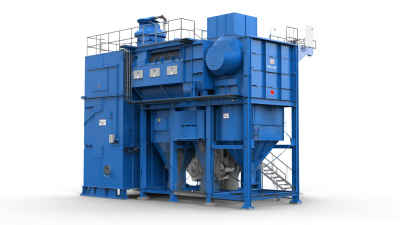
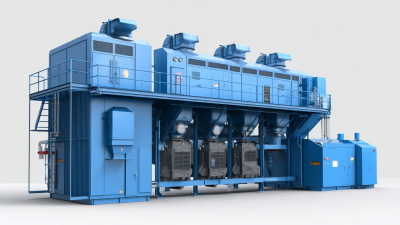
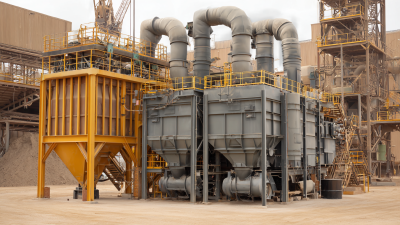
As industries keep evolving, the need for better air quality solutions just keeps growing. You see, an Industrial Dust Collector Manufacturer plays a pretty important role in keeping workplaces safe and healthy. These companies supply a bunch of different sectors with systems that really do the job of controlling those pesky harmful dust particles. And honestly, investing in the latest tech isn’t just a trend anymore — it’s becoming a must for many businesses.
With all these strict air quality rules in place, trying to navigate the market can feel pretty overwhelming at times. Loads of manufacturers are out there working on innovative solutions, but competition can be fierce. Picking the right system? Yeah, it’s more complicated than you might think, which is why having expert advice really makes a difference.
Looking ahead to 2026, things are bound to change quite a bit for industrial dust collectors in China. A handful of companies are starting to stand out as real leaders—they get the right balance between top-notch performance and following the rules. Still, some may find it tough to keep up with new regulations and tech advancements. Every Dust Collector Manufacturer will need to step back, review their processes, and adapt if they want to stay relevant in this ever-changing landscape.

Overview of Industrial Dust Collectors in China
Industrial dust collectors are essential in China’s manufacturing landscape. These devices minimize particulate matter in the air. By 2026, the demand for effective dust collection systems is expected to grow significantly, driven by stricter regulations and environmental concerns. The market was valued at approximately $3.5 billion in 2021, with a projected annual growth rate of around 5% over the next few years.
China’s industrial sector generates a vast amount of dust and pollutants. Industries, such as cement and textiles, contribute significantly to this challenge. A recent report highlighted that about 65% of factories still use outdated dust collection systems. This raises concerns about efficiency and compliance with new government regulations aimed at improving air quality. Many companies face challenges in upgrading their equipment due to budget constraints and lack of technical knowledge.
Despite advancements, some manufacturers struggle with integrating new technologies. Dust collector systems often require regular maintenance, which can be overlooked. Neglecting maintenance leads to decreased efficiency and increased operational costs. As the industry evolves, a focus on innovative solutions and worker training becomes crucial to ensure compliance and sustainability.
Criteria for Selecting Top Dust Collector Manufacturers
When selecting top industrial dust collector manufacturers, several key criteria come into play. Industry reports suggest that filtration efficiency and energy consumption are critical factors. Effective dust collectors should capture at least 99% of airborne particles. This ensures cleaner air in facilities and compliance with health regulations.
Another aspect to consider is the manufacturer's experience in the industry. Companies with a history of innovation often lead the way in providing reliable solutions. A recent market study highlights that 75% of successful manufacturers have over ten years of experience. Also, customer support and service capability are essential. Industry feedback shows that 60% of users prioritize post-purchase service reliability.
Cost is a paramount concern as well. Budget constraints can influence decision-making. Yet, companies should weigh initial costs against long-term savings from energy-efficient models. Data indicates that energy-efficient systems can reduce operational costs by up to 40%. Understanding these criteria can refine your search and lead to better investment decisions.
Profile of Leading Manufacturers in China's Dust Collection Industry
The dust collection industry in China is growing rapidly. Several manufacturers are emerging as leaders in this field. Their expertise spans various sectors, including manufacturing, logistics, and construction. Each company focuses on innovative dust collection technologies. They work to improve air quality and worker safety.
One notable trend is the emphasis on sustainable practices. Many manufacturers are investing in eco-friendly solutions. They aim to reduce emissions and energy consumption. However, challenges remain. Some manufacturers struggle with outdated technologies. This can lead to inefficiencies in their processes.
The competition among these companies is fierce. They constantly seek to improve their products and services. This drive for excellence fosters innovation. However, not all manufacturers keep pace with industry developments. Companies must reflect on their practices to remain competitive. The future landscape of dust collection in China will be shaped by those who adapt effectively.
Comparison of Technologies Used by Top Manufacturers
In the ever-evolving industrial landscape, choosing a dust collector is crucial. The technologies employed by leading manufacturers vary widely. This diversity impacts efficiency, cost, and maintenance needs. Many companies are adopting modular designs. These allow for easier upgrades and scalability.
HEPA filters remain a popular choice for their effectiveness. However, some systems utilize electrostatic precipitation. This method captures even the smallest particles. It's both energy-efficient and environmentally friendly. Yet, users must consider maintenance requirements for such systems. Not all companies have the resources to adapt easily. Users can benefit from understanding these technologies better.
Tip: Analyze your specific needs. Consider the particle size and volume in your facility. It’s essential to choose a system that fits well with your operations.
Many manufacturers also integrate smart technology. This allows for real-time monitoring of air quality. However, these advanced systems can be costly. Evaluating the return on investment is crucial.
Tip: Don’t rush your decision. Compare different technologies and consider long-term costs. It’s vital to ensure compatibility with your existing equipment.
Market Trends and Innovations in Dust Collection Systems
In recent years, the dust collection industry has seen significant advancements. With increasing environmental regulations, manufacturers are innovating to improve efficiency and reduce emissions. Advanced filtration technologies are now becoming mainstream. These innovations help capture finer particles that traditional systems may miss. New materials are also playing a critical role, enhancing durability and performance.
Automation is another trend reshaping the dust collection landscape. Smart dust collectors can monitor air quality in real time. They adjust functionality based on current conditions, improving energy use and minimizing waste. However, implementing such technologies can be challenging. Companies must consider the initial costs and required training for staff. Despite these hurdles, the benefits often outweigh the drawbacks.
The drive for sustainability is pushing manufacturers to rethink their operations. Green technologies are gaining traction. Some companies are exploring the use of recycled materials in their products. There’s an ongoing need for systems that can handle various dust types effectively. The market is dynamic and reflects the growing demand for cleaner air. Continuous innovation is crucial as the industry evolves.
Regulatory Standards Impacting Dust Collector Manufacturing
In the industrial sector, dust collectors play a crucial role in maintaining air quality. Regulatory standards significantly impact the manufacturing of these systems. The standards evolve to meet environmental needs and ensure the safety of workers. Compliance with these regulations is essential for manufacturers aiming for market relevance.
Dust collector manufacturers should prioritize understanding these evolving regulations. It can be challenging, as standards often change. Staying informed helps in designing compliant products. For example, organizations may need to adapt to stricter emission limits. Failing to do so can lead to penalties and reputational damage.
Tip: Regular training programs for staff on compliance can enhance a manufacturer’s ability to meet standards. Additionally, adopting green technologies might be beneficial. Investing in innovation can ensure future readiness. Manufacturing processes need constant evaluation. Keeping an eye on market shifts allows for timely adjustments.
Top 10 Industrial Dust Collector Manufacturers in China 2026
| Rank |
Manufacturer Type |
Production Capacity (units/year) |
Key Technologies |
Regulatory Compliance |
Export Markets |
| 1 |
Large-Scale Manufacturer |
50,000 |
Centrifugal Force, HEPA Filters |
ISO 9001, CE |
North America, Europe |
| 2 |
Medium-Sized Enterprise |
30,000 |
Baghouse Filter, Dust Extraction |
GB Standards, ISO 14001 |
Asia, Australia |
| 3 |
Niche Manufacturer |
15,000 |
Cyclone Technology, Acoustic Enclosures |
EPA Compliance, NFPA Standards |
Europe, South America |
| 4 |
Custom Solutions Provider |
25,000 |
Modular Systems, Smart Sensors |
ISO 45001, OSHA Standards |
Asia, Middle East |
| 5 |
Research and Development Center |
10,000 |
Airflow Dynamics, Real-time Monitoring |
ISO 50001, ASTM Standards |
Global |
| 6 |
Turnkey Solution Provider |
40,000 |
Integrated Systems, ERP Software |
JIS Standards |
Africa, North America |
| 7 |
OEM/ODM Manufacturer |
20,000 |
Flexible Filtration, Energy Recovery |
EU RoHS, REACH |
Latin America, Asia |
| 8 |
Environmental Technology Firm |
18,000 |
Eco-Friendly Materials, Dust Suppression Tech |
ISO 14064, CERS |
Asia, Europe |
| 9 |
Air Quality Control Specialist |
22,000 |
Sensor Technology, Analytics |
EPA, ISO 17025 |
Worldwide |
| 10 |
Filter Media Manufacturer |
35,000 |
Nanofiber Technology, Composite Filters |
ISO 14001 |
USA, Japan |
Future Outlook for Dust Collector Industry in China
The dust collector industry in China is on the brink of significant evolution by 2026. With stricter regulations on air quality, manufacturers are expected to innovate their dust collection technologies. This push will result in more efficient systems that can handle a wider range of industrial applications. Anticipated advancements may include smart dust collectors that use IoT for real-time monitoring and maintenance.
Manufacturers must, however, address challenges in the transition. The integration of new technologies may require additional training for operators. Companies should not rush this process. Adaptation to smart systems can lead to errors if proper groundwork is laid. Additionally, the demand for sustainable materials in production means balancing cost with environmental responsibility is crucial.
Looking ahead, the market's growth hinges on both technological advancements and responsible practices. Transparency in operations will also be vital. Engaging with stakeholders, from employees to environmental groups, will help align goals with community expectations. Companies must stay alert to evolving trends and be flexible in their strategies.
Future Outlook for Dust Collector Industry in China (Top 10 Manufacturers)
This chart represents the projected market share of various segments within the industrial dust collector industry in China by 2026. The data reflects anticipated growth in key areas such as innovative technology integration, increasing environmental regulations, and rising industrial activities.
Optimizing Air Quality: The Essential Role of Cartridge Filters in Dust Collectors
Optimizing air quality is crucial in various industrial settings, and cartridge filters play a pivotal role in dust collectors to achieve this goal. The unique concave fold pattern design of these filters ensures that the entire filtration area is utilized efficiently, allowing for 100% effective filtration. This innovative design not only maximizes the operating efficiency of dust collectors but also ensures that the airflow remains stable throughout the application, enhancing overall air quality in the workspace.
The durability of these cartridge filters is another essential feature, as they are engineered using advanced technologies for specialized adhesive bonding. This construction ensures that the filters can withstand demanding operating conditions while maintaining their integrity over time. Additionally, the optimal fold spacing is instrumental in providing uniform filtration across the entire filter area. This uniformity minimizes the pressure difference of the filter elements, which contributes significantly to reducing maintenance efforts and cleaning within the powder room. The curved transition at the folding top further enhances the effective filtration area, leading to improved filtration efficiency and extended service life, allowing organizations to invest wisely in their air quality management systems.
FAQS
: They minimize particulate matter in the air, improving air quality in manufacturing settings.
Stricter regulations and increasing environmental concerns drive the demand for effective systems.
Budget constraints and lack of technical knowledge hinder many from making necessary upgrades.
Regular maintenance is crucial; neglecting it can lead to decreased efficiency and higher costs.
Many focus on sustainable practices and eco-friendly solutions to improve their operations.
Yes, they monitor air quality and adjust functionality, but initial costs and training can be challenging.
Advances in filtration technologies and new materials enhance performance and durability.
No, some struggle with outdated technologies, which affects their competitiveness.
It's projected to grow at around 5% annually due to increasing demand for cleaner air.
Companies need to weigh initial costs against long-term benefits and plan for staff training.
Conclusion
The article "Top 10 Industrial Dust Collector Manufacturers in China 2026" provides a comprehensive overview of the industrial dust collection landscape in China, highlighting the critical factors for selecting top manufacturers in the industry. Key considerations include technology efficiency, reliability, and compliance with evolving regulatory standards which significantly impact manufacturing processes.
Furthermore, the article profiles leading industrial dust collector manufacturers, shedding light on their technological innovations and market trends that shape the competitive environment. It explores the future outlook for the dust collector industry in China, emphasizing the need for continuous improvement and adaptation in response to both regulatory pressures and market demands. This insightful analysis serves as a valuable resource for stakeholders in the dust collection sector.