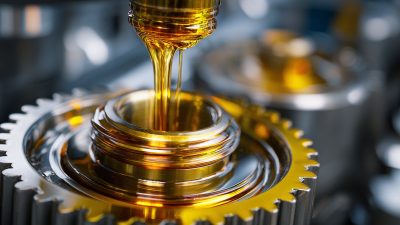
When you're dealing with vacuum tech, picking the right vacuum pump lubricant is a pretty big deal. I remember Dr. Emily Carter, a tribology expert over at Advanced Lubrication Technologies, mentioning that "using the right lubricant really boosts your pump's efficiency and makes it last longer." That really hits home, right? It just shows how important it is to go for quality products.
Vacuum pumps work under some pretty unusual conditions, so they need special kinds of lubricant. Just using regular oils usually isn’t enough, especially in low-pressure settings. When everything’s working as it should, proper lubrication cuts down on friction and stops parts from wearing out prematurely. Basically, choosing the right vacuum pump lubricant can make your life easier—improving performance and saving you money on repairs down the line.
A lot of folks still tend to skip over the importance of picking the right lubricant, which can lead to all sorts of problems—inefficiencies and, worst of all, early pump failure. Thinking back on some of my own past experiences, I can tell you that a little extra attention here goes a long way. As we look at the top five options out there, remember: the right choice makes a huge difference if you want your pump to run smoothly and reliably.

Understanding Vacuum Pump Lubricants and Their Importance
Vacuum pump lubricants play a critical role in maintaining optimal performance. These lubricants reduce friction, minimize wear, and enhance the efficiency of the pump. They create a protective barrier that prevents contaminants from entering the pump system. This helps ensure longevity and reliability in various applications.
Choosing the right lubricant can be challenging. Different pumps require specific formulations to perform well. Some lubricants may not offer sufficient thermal stability, while others may degrade quickly under pressure. Users need to consider viscosity, thermal properties, and compatibility with the pump material. It's essential to review the needs of your vacuum system carefully.
An often-overlooked point is the regular maintenance of these lubricants. Pollutants can lower their effectiveness, so monitoring lubricant condition is vital. Neglecting this aspect can lead to catastrophic pump failure. Ultimately, a well-informed decision on lubricants fosters efficiency and safety in operations. Evaluating options and understanding product properties can make a significant difference.
Top 5 Vacuum Pump Lubricants for Optimal Performance
This chart displays the performance ratings of the top 5 vacuum pump lubricants, showcasing their effectiveness on a scale from 0 to 10. Synthetic oil ranks the highest, indicating optimal performance for vacuum pumps.
Types of Lubricants for Vacuum Pumps: Mineral vs. Synthetic
When selecting lubricants for vacuum pumps, two main types are typically considered: mineral and synthetic.
Mineral lubricants are derived from crude oil and are widely used due to their cost-effectiveness. They offer decent performance in many standard applications but can break down more quickly under extreme conditions. This breakdown may lead to increased maintenance needs and reduced efficiency over time.
On the other hand, synthetic lubricants are engineered to provide superior performance. They often exhibit better thermal stability, resistance to oxidation, and reduced volatility.
However, synthetic options can come with a higher price tag. While their benefits can outweigh costs, the choice ultimately depends on the specific application and operational conditions. Evaluating the trade-offs between cost, performance, and environmental impacts is crucial.
Choosing the right lubricant isn't always straightforward. Careful consideration of your equipment's requirements is necessary. Understanding the operating environment and seeking expert advice can significantly help.
Don't overlook the importance of ongoing maintenance. Evaluating lubricant performance regularly can lead to improved efficiency and longer equipment lifespan.
Key Properties to Look for in Vacuum Pump Lubricants
Choosing the right vacuum pump lubricant is crucial for optimal performance. Effective lubricants reduce friction and wear, prolonging the lifespan of the pumps. Key properties are essential when selecting lubricants. Key factors include viscosity, thermal stability, and resistance to oxidation. A 2021 industry report highlighted that lubricants with proper viscosity perform significantly better in preventing wear.
Thermal stability is another critical property. High temperatures can lead to lubricant breakdown. Pumps operating beyond their optimal temperature range face severe risks. A study shows that lubricants with high thermal stability can increase pump efficiency by up to 25%. This indicates the clear need to prioritize thermal properties during selection.
Furthermore, the lubricant's resistance to oxidation greatly affects performance and longevity. Oxidation can introduce harmful acids and contaminants, leading to decreased pump efficiency. Reports suggest that lubricants formulated with antioxidants can extend life by approximately 30%. This demonstrates the need for careful consideration when choosing a vacuum pump lubricant. It's essential to reflect on how choosing the right product impacts operational success.
Top 5 High-Performance Vacuum Pump Lubricants Reviewed
When selecting lubricants for vacuum pumps, the right choice can significantly enhance performance. High-quality lubricants provide necessary protection against wear and tear. They also reduce friction and help maintain optimal operating temperatures. A carefully selected lubricant can transform pump efficiency and longevity.
Several high-performance options stand out. Synthetic formulations often offer superior thermal stability. They can perform well under varying pressures and temperatures. Others may contain additives that prevent corrosion and oxidation. Despite the benefits, some users might find specific lubricants too thick, leading to challenges during pump start-up. This is a common concern that warrants consideration.
Additionally, not all vacuum pump applications require the same lubricant. The specific operating conditions can influence which lubricant will work best. Users should take time to evaluate their particular requirements. Keeping an eye on factors like pump compatibility and operating environment is essential. A little research may lead to better performance and reliability.
Top 5 Vacuum Pump Lubricants for Optimal Performance
| Lubricant Type |
Viscosity |
Temperature Range |
Application |
Notes |
| Synthetic Oil |
ISO 46 |
-40°C to 100°C |
Rotary Vane Pumps |
Excellent thermal stability |
| Mineral Oil |
ISO 32 |
-10°C to 80°C |
Diaphragm Pumps |
Cost-effective option |
| Silicone Oil |
100 cSt |
-50°C to 150°C |
High-Temperature Applications |
Resistant to oxidation |
| PAO (Polyalphaolefin) |
ISO 68 |
-50°C to 120°C |
General Purpose |
Excellent low temperature fluidity |
| Biodegradable Oil |
ISO 32 |
-20°C to 90°C |
Eco-friendly Applications |
Environmentally friendly |
How to Properly Apply Lubricants for Optimal Pump Function
Proper application of lubricants is essential for maintaining vacuum pumps' efficiency. According to a report from the International Vacuum Engineering Society, improper lubrication can decrease pump performance by up to 20%. Applying the right lubricant in suitable quantities reduces friction and wear. Always ensure that the lubrication points are clean before application. This can prevent contaminants from entering the pumping mechanism.
When applying lubricants, it’s crucial to consider the pump type. Different pumps require specific viscosities to function optimally. For instance, rotary vane pumps often benefit from low-viscosity lubricants for smooth operation. Research shows that over-lubrication can lead to operational issues, such as overheating and increased maintenance needs. Applying just the right amount can improve longevity and performance.
Inspect the lubrication system regularly. A study highlighted that 30% of pump failures are linked to lubrication issues. Using a checklist can help in monitoring lubricant levels and spotting potential leaks. Addressing these issues proactively leads to better pump reliability and reduced downtime. Be mindful that not all lubricants behave the same under varying temperatures or workloads. Adjust your approach based on the pump’s working conditions to ensure optimal functionality.
Maintenance Tips for Extending the Life of Your Vacuum Pump Lubricants
Maintaining vacuum pump lubricants is crucial for optimal performance. Regular checks can prevent excessive wear and tear. Visual inspections help determine the lubricants' condition. Look for discoloration, contamination, or unusual odors. These signs can indicate that it’s time for a change.
Changing the lubricant on schedule is essential. However, many overlook this simple task. Neglecting to replace lubricant can lead to pump failure. This not only extends downtime but also increases repair costs. A clean, well-maintained lubricant ensures smoother operation and longevity.
Proper storage of lubricants is also key. Keep them sealed and in a cool environment to avoid degradation. Contamination is a major concern. Use clean tools when handling lubricants to minimize this risk. Regular training on these practices can boost staff awareness and responsibility.
Troubleshooting Common Issues Related to Vacuum Pump Lubrication
Vacuum pump lubrication is vital for performance. Common issues can arise if proper care is neglected. Understanding these problems helps maintain efficiency and prolongs equipment life.
Oil contamination can lead to reduced performance. This issue often occurs when dirt or moisture enters the system. Regularly inspect the lubricant's condition. Ensure it is clear and free of debris. If contamination is found, change the oil immediately.
Another frequent issue is improper viscosity. Using the wrong lubricant can cause wear and overheating. Always refer to your equipment’s specifications before selecting a lubricant. A consistent viscosity allows for smooth operation, reducing friction.
Tip: Keep a maintenance log to track lubricant changes and pump performance. This helps identify patterns and detect potential issues early. Remember, regular checks can save costs in the long run.
FAQS
: They reduce friction, minimize wear, and enhance pump efficiency. They also protect against contaminants.
Consider viscosity, thermal properties, and compatibility with pump materials. Each pump has specific needs.
Pollutants can reduce effectiveness, leading to potential pump failure. Regular monitoring is critical.
Synthetic lubricants often provide better thermal stability and performance under varying conditions.
Yes, thicker lubricants can cause challenges at start-up. This is a common issue to consider.
No, each application may require a specific lubricant. Evaluate your needs carefully.
Keep an eye on lubricant condition, compatibility, and operating environment for optimal performance.
Choose appropriate lubricants and maintain them regularly. This fosters reliability and efficiency.
Yes, understanding product properties can lead to better performance in your specific application.
Assess the lubricant used and its compatibility with your pump. This might reveal underlying problems.
Conclusion
Vacuum pump lubricants play a crucial role in ensuring the efficient operation and longevity of vacuum pumps. Understanding the types of lubricants available—mineral versus synthetic—can significantly impact performance levels. Ideal lubricants possess key properties such as thermal stability, low vapor pressure, and excellent lubricating characteristics, which are essential for reducing wear and tear on pump components.
The article reviews five high-performance vacuum pump lubricants, outlining their advantages and applications. Proper application techniques, coupled with regular maintenance tips, are vital for maximizing the functionality of these lubricants and extending the life of vacuum pumps. Finally, troubleshooting common lubrication-related issues can prevent operational disruptions, ensuring optimal performance of vacuum systems over time.