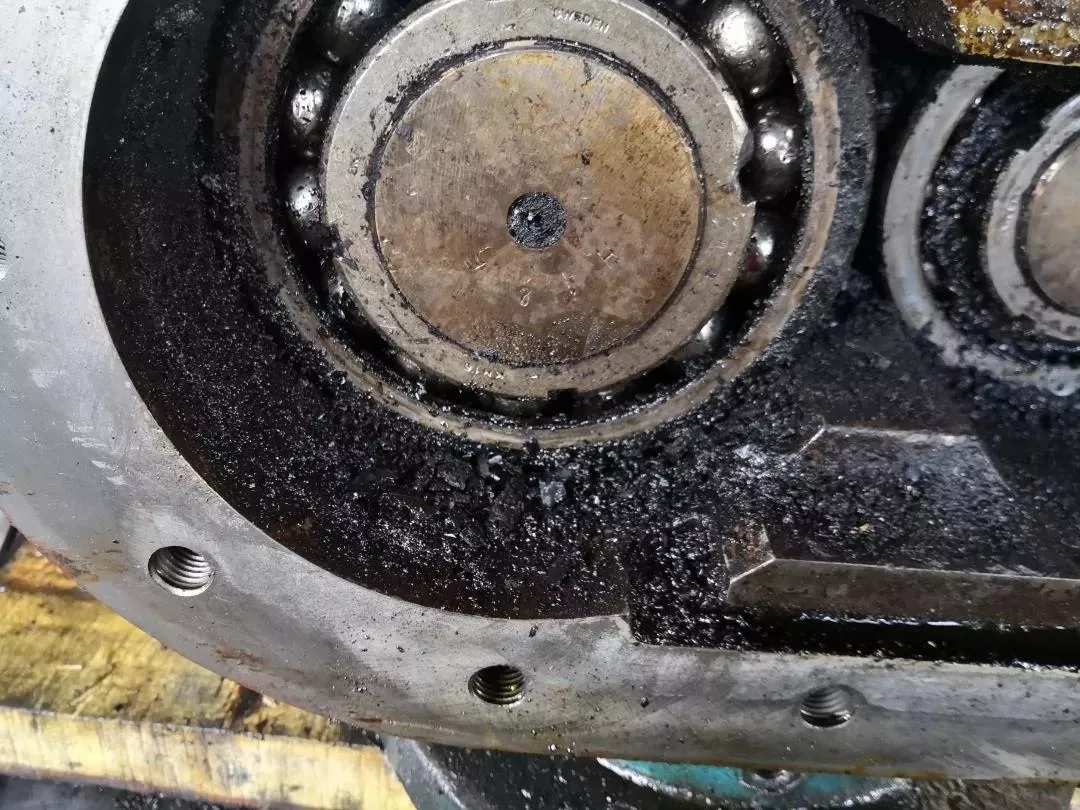
1. How do coking and carbon deposits form?
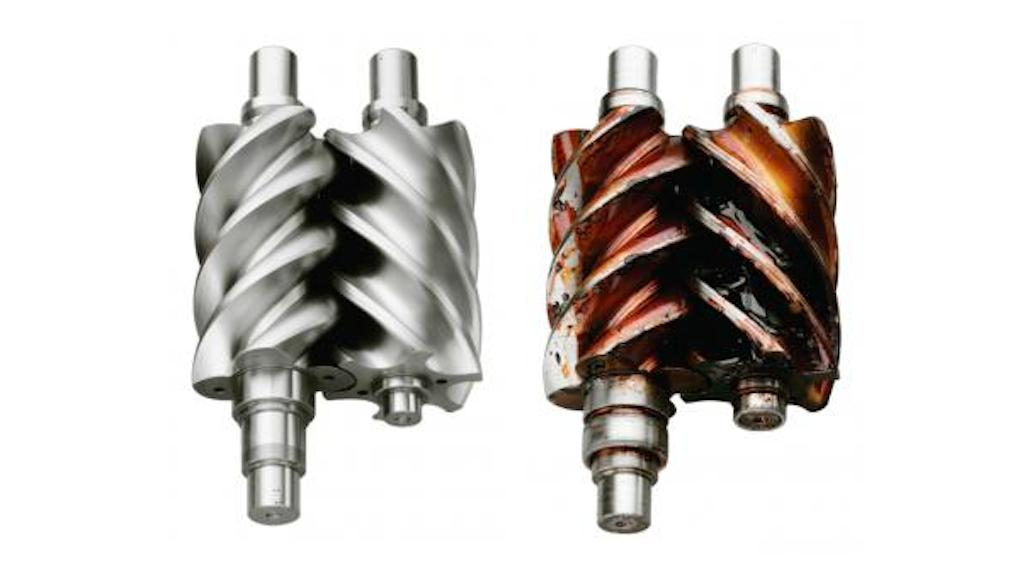
During prolonged operation under high temperatures, heavy loads or contaminated conditions, compressor lubricants may oxidize and deteriorate, forming sludge, varnish and carbon deposits. Blocked oil coolers, fan failures and faulty thermostatic valves can cause excessive oil temperatures, accelerating oxidation. Excessive moisture can impair additive performance, while dust and metal particles entering the oil system can further accelerate oil degradation.
Extended oil use, incorrect oil levels, mixing incompatible oils and residual degraded oil can also increase the risk of deposits. As these deposits accumulate, they restrict oil circulation and reduce cooling efficiency, potentially leading to blocked oil filters or air-end seizure.
2. Selecting a cleaning method according to contamination level
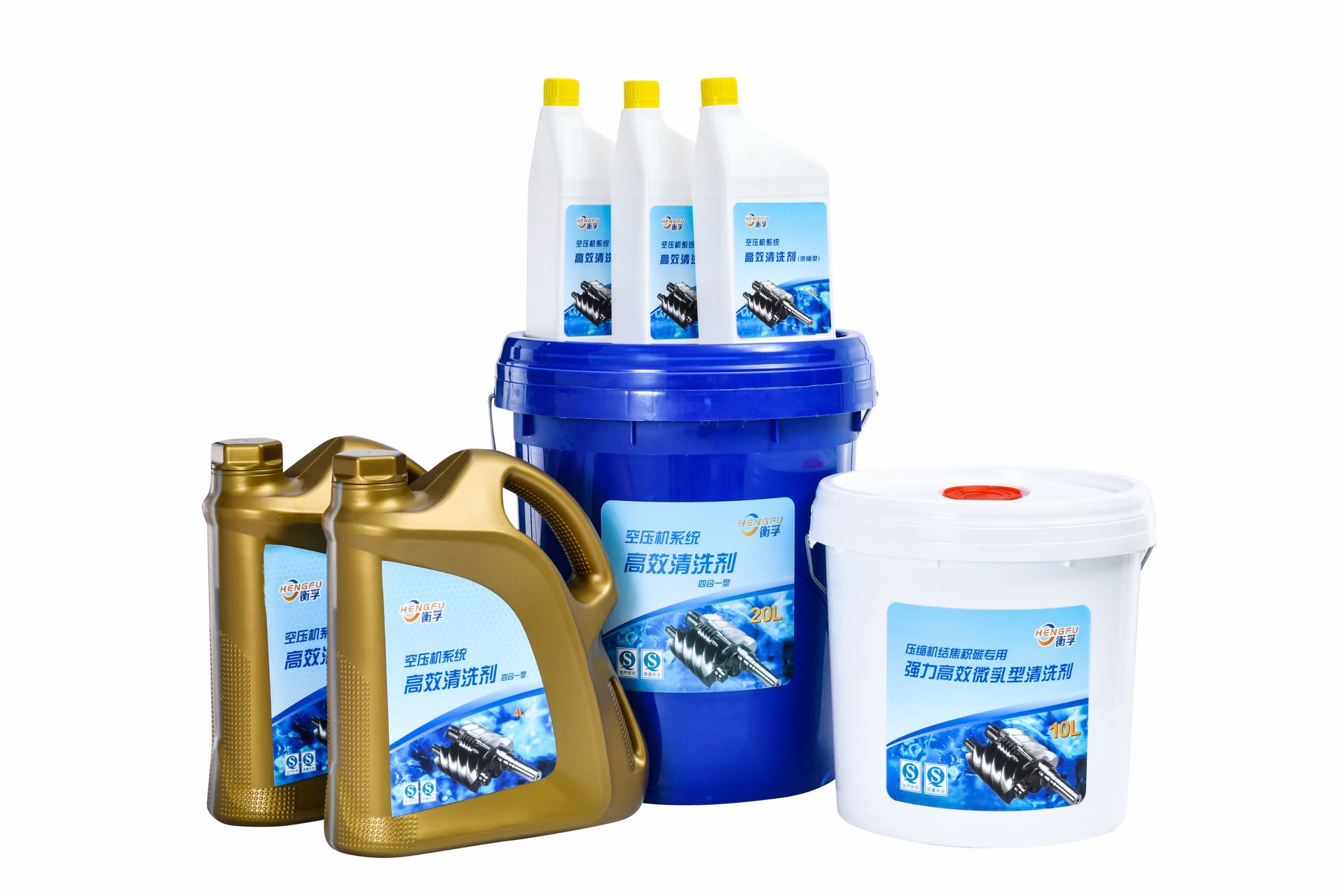
JCTECH offers a lubricant cleaning agent for different levels of compressor contamination. The following ratios refer to the cleaning agent and existing system oil. Actual procedures must comply with the technical requirements of the equipment and cleaning agent.
Step 1: Light contamination and high-temperature cleaning
For light contamination, add the cleaning agent at a 1:10 ratio and run for 1 hour before draining. This method is suitable for routine maintenance and pre-oil-change cleaning. Dirtier machines may be flushed once with compatible cleaning oil for approximately 3 minutes.
For equipment operating at high temperatures, add the cleaning agent at 1:5 and run for 1 hour 30 minutes before draining. Flush 1–2 times with cleaning oil for 3–5 minutes per cycle.
Step 2: Light and heavy varnish deposit cleaning
For light varnish deposits, add the cleaning agent at 1:3 and run for 1 hour 30 minutes before draining. Flush 2–3 times with cleaning oil for 2–3 minutes per cycle.
For heavy varnish deposits, add at 1:2 and run for approximately 1 hour 50 minutes before draining. Flush 2–3 times with cleaning oil for 3–5 minutes per cycle. Adjust the number of flushing cycles according to the contamination level and operating conditions.
Step 3: Severe coking and air-end seizure
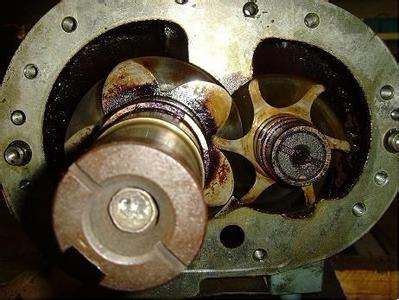
If severe coking or air-end seizure occurs, shut down the machine for inspection and never force-start a seized air end. Once professional assessment confirms that cleaning can be performed safely, add the cleaning agent at a 1:1 ratio and soak for at least 30 minutes. If auxiliary heating is required, use dedicated equipment that meets the safety requirements of the compressor and cleaning agent.
After confirming that the machine can operate safely, circulate the cleaning agent for at least 2 hours according to the technical requirements. Flush 3–5 times with cleaning oil for 3–5 minutes per cycle. Monitor oil temperature, oil pressure and filter differential pressure throughout the cleaning process to prevent dislodged deposits from blocking the oil system.
3. Cleaning oil selection and precautions
Used oil with an acid value of no more than 2 mg KOH/g may be considered for flushing, provided it has not deteriorated or become contaminated and is compatible with the new oil. PAG and PAO base oils should not be mixed without confirmed compatibility.
JCTECH advises operators that controlling oil temperature, maintaining lubricant cleanliness and following proper maintenance practices are important measures for reducing the risk of coking and carbon deposits. Specific maintenance intervals and cleaning methods should follow the technical requirements of the equipment and lubricant manufacturers.
Post time: Nov-27-2026