Lately, there's been quite a buzz about Industrial Dust Extractors in China. More and more industries are realizing just how important it is to have reliable dust control solutions—not just for ticking boxes on regulations, but also for the safety of workers and the durability of their equipment. It’s pretty clear that investing in good dust extractors can really make a difference.
Thanks to this growing awareness, some companies like Ecodust and Aercology are stepping up their game with cool, innovative tech. Their machines often come with advanced filters that do a solid job of keeping things clean and running smoothly. That said, nobody’s perfect—some folks have said that even the best systems can struggle a bit in really tough conditions.
At the end of the day, choosing the right industrial dust extractor isn't something to rush into. It’s all about understanding what your specific needs are. Taking the time to really think things through can lead to better decisions and, ultimately, better long-term results. Think of it like this—spending a little extra time now can save you headaches down the line and keep your workplace safer and more productive.

Overview of Industrial Dust Extraction Systems in China
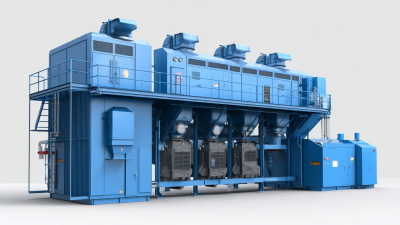
Industrial dust extraction systems play a crucial role in maintaining air quality in factories and workshops throughout China. These systems are designed to remove harmful dust particles from the air, ensuring a safer work environment. Efficient dust extraction helps to prevent respiratory issues among workers and reduces the risk of dust-related accidents. A well-designed system not only enhances productivity but also complies with local health regulations.
When choosing an industrial dust extractor, consider airflow capacity. Higher airflow ensures effective dust removal, especially in large spaces. Another key factor is the type of filter used. Filters need to be durable and suitable for the specific types of dust generated in your facility. Regular maintenance is essential; clogged filters can impede performance, risking both air quality and worker safety.
Tips: Always assess your specific dust challenges. The size of your shop and the type of materials processed matter. Don't overlook the importance of noise levels. Some systems operate quietly, which can enhance worker comfort. Investing in proper equipment pays off in the long run, but be aware that not all systems are created equal. Consider seeking expert advice to find the right fit for your needs.
Maximizing Efficiency and Performance: Insights from 2023 Global Screw Air Compressors Market Report on the ACPL-416 Fluid
In the pursuit of maximizing efficiency and performance in the ever-evolving landscape of air compressor technology, the 2023 Global Screw Air Compressors Market Report offers valuable insights. The report highlights a shift towards advanced lubrication solutions that enhance operational longevity and reliability. A critical component is the use of fully synthetic PAO fluids, which are engineered with high-performance additives, providing superior oxidation stability, thermal management, and minimizing carbon deposit formation. This innovative formulation is demonstrated to optimize compressor performance, specifically in demanding environments where temperature fluctuations are extreme.
According to industry analyses, the typical working lifespan of high-quality synthetic lubricants ranges from 8,000 to 12,000 hours under standard operational conditions. This level of durability is vital as it allows for longer intervals between maintenance cycles, contributing to overall operational efficiency and cost-effectiveness. Furthermore, the compatibility of these synthetic lubricants across various screw air compressor models ensures a seamless transition for facilities looking to enhance their current systems while maintaining peak operational standards.
As the market adapts to increasing demands for sustainability and efficiency, the adoption of advanced lubrication technology is not just an option but a necessity. The findings from the 2023 report underline the critical role that these high-performance fluids play in achieving optimal compressor functionality, reflecting broader trends towards enhanced performance metrics in industrial applications.

FAQS
: A higher CFM, ideally over 300, improves dust collection efficiency in industrial settings.
Filtration systems, especially HEPA filters, capture 99.97% of small particles, enhancing overall air quality.
Neglected filters can reduce efficiency by up to 50%, which can cause air quality issues.
Extractors operating under 85 dB are better for reducing workplace distraction and improving focus.
Lighter models facilitate better mobility, which can positively impact your workflow and efficiency.
User reviews reflect the importance of suction power and reliability, which can guide better purchasing decisions.
Some users report filters clogging too quickly, leading to a drop in performance and productivity.
Budget options might not deliver expected performance. Investing in quality can lead to long-term benefits.
Easy maintenance, like simple dust bag replacements, can save time and improve user satisfaction significantly.
Yes, higher noise levels can distract workers, decreasing overall efficiency and comfort in the workspace.
Conclusion
Industrial dust extractors play a crucial role in maintaining a safe and clean working environment across various industries in China. This article provides a comprehensive overview of the different industrial dust extraction systems available, outlining essential features to consider when choosing a dust extractor, such as filtration efficiency, airflow capacity, and ease of maintenance. Additionally, it highlights the top brands in the Chinese market, offering insights into their performance and user satisfaction through comparative analyses and reviews.
The article further emphasizes the importance of quality standards and certifications that ensure the reliability and effectiveness of industrial dust extractors. As industries evolve, future trends in dust extraction technology are also discussed, predicting advancements that could enhance operational efficiency and reduce environmental impacts. Overall, understanding these aspects is vital for businesses looking to invest in industrial dust extractors that meet both performance and quality expectations.
Related Posts
-

Why Are Industrial Dust Extractors Essential for Your Business?
-

Top Tips for Choosing Industrial Dust Extractors for Your Needs?
-

Top Industrial Dust Extractors in China for Global Buyers?
-

Maximizing Efficiency: How Industrial Dust Collectors Reduce Airborne Particles by 95% in Manufacturing Facilities
-

The Ultimate Guide to Choosing the Right Dust Collector for Your Workshop
-
Discover Outstanding Products from China with the Best Reliant Dust Collector 720 for Global Buyers
