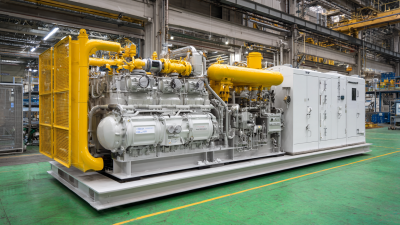
A downdraft table is really a game-changer when it comes to keeping the air cleaner in your workspace. Basically, it pulls air down through its surface, which helps trap dust and other airborne particles. If you’re into woodworking or metalworking, chances are you’ve heard of these—many folks swear by them to make their shops a lot safer and less messy.
A lot of professionals use these tables not just to cut down on dust but also because they make everything feel a lot more organized and less cluttered. The design usually includes a vent system that pulls the air down and away from you—so you’re not breathing in all that stuff. It’s an easy way to help keep the workspace safer for everyone.
That said, it’s not always smooth sailing. Some people find that their tables don’t have enough suction, so dust still slips through. Others might get a bit annoyed by the noise when it’s running. So, it’s really worth thinking about what you need before jumping into a purchase. Getting a table that’s not the right fit could end up more frustrating than helpful—better to spend some time figuring out what works for you first.
A downdraft table is an essential tool in many industrial settings. It helps control dust and fumes created during various processes, such as woodworking or metalworking. This table works by drawing air down through a filter. According to the Occupational Safety and Health Administration (OSHA), effective dust control systems can reduce airborne particles by up to 90%. This statistic underscores the table's importance in maintaining a safe work environment.
In practical settings, downdraft tables can make a significant difference. By capturing dust and particles at the source, operators can breathe easier and focus on their tasks. These tables usually come equipped with a fan, motor, and filter system. The airflow created helps direct pollutants away, preventing them from settling on surfaces or entering the air.
**Tip:** Regular maintenance is crucial for optimal performance. Checking filters monthly ensures effective operation and longevity.
Another insight is that these tables can be tailored to specific tasks. Custom inlets can be added for optimal airflow. However, some users overlook proper placement of the table, which can diminish its effectiveness.
**Tip:** Assess the work area layout before installation. Proper positioning can enhance airflow and capture efficiency.
Downdraft tables play a crucial role in many industries. They provide a safe and effective way to capture harmful dust, smoke, and fumes during processes like sanding or welding. According to the U.S. Occupational Safety and Health Administration (OSHA), exposure to airborne contaminants can lead to serious health issues. Downdraft tables help mitigate these risks.
Research indicates that nearly 30% of workers in manufacturing environments suffer from respiratory problems linked to poor air quality. A downdraft table improves ventilation by pulling pollutants away from the worker’s breathing zone. This setup not only enhances safety but can also increase productivity. Studies show that improved air quality can lead to a 15% increase in work efficiency.
However, it is essential to consider the shortcomings of downdraft tables. They may not be suitable for all applications or workspaces. For instance, large workpieces can obstruct airflow, reducing effectiveness. Regular maintenance is critical to ensure optimal function. Ignoring this can lead to failures that put workers at risk. Understanding these complexities is vital for businesses aiming to create safe working environments.
Downdraft tables are designed to enhance workspace efficiency. They pull dust and particles down, preventing them from entering the air. This ensures cleaner work environments, which is crucial for health and safety. When working with wood or metal, dust can be hazardous. A downdraft table effectively minimizes exposure to these risks.
The mechanics of a downdraft table are straightforward. It features an open surface, often with connected ducts. Fans below the surface create suction, pulling contaminants downward. Some models allow for adjustable airflow, optimizing performance based on the task at hand. The airflow can vary depending on the material being processed. This adaptability is essential for different applications in workshops or studios.
Despite their effectiveness, there are limitations. Not all downdraft systems can handle large particles efficiently. Users may find some models less powerful than expected. Regular maintenance is necessary to keep the system functioning well. Dust accumulation in filters can reduce efficiency over time. Awareness of these factors is essential for makers who depend on clean air in their workspace.
A downdraft table operates as a crucial tool in many industrial settings. It captures fumes, dust, and particles, helping maintain a clean work environment. The primary components of a downdraft table include a work surface, ventilation system, and filtration units. Each part plays a vital role in promoting safety and efficiency.
The work surface is designed for durability and ease of cleaning. It often features a grill or perforated layout that maximizes airflow. Beneath the surface, the ventilation system creates a strong suction force. According to the National Institute for Occupational Safety and Health (NIOSH), effective downdraft systems can reduce hazardous air contaminants by up to 90%. This statistic underscores their importance in workshops and laboratories.
Filtration units are equally critical. They help in removing airborne particles and gases before the air is recirculated. Some tables may incorporate HEPA filters, which capture 99.97% of particles. This high level of filtration ensures a safer workspace. However, maintenance is essential. Without regular checks, efficiency can decline. As air quality deteriorates, workers may be adversely affected.
Downdraft tables offer significant operational benefits, particularly in demanding work environments. These tables effectively capture dust, smoke, and fumes at the source. According to a report by the Occupational Safety and Health Administration (OSHA), nearly 2.3 million workers are exposed to harmful dust particles. The use of downdraft tables can greatly reduce this exposure, leading to healthier workplaces.
With their integrated filtration systems, downdraft tables recycle air. This not only enhances indoor air quality but also promotes cleaner workspaces. Facilities using these tables report a 40% reduction in airborne pollutants. Such improvements can boost employee morale and productivity. When workers feel safer, they focus more on their tasks, minimizing errors.
While downdraft tables are beneficial, some challenges exist. Maintenance is crucial to ensure optimal performance. Filters need regular cleaning or replacement to maintain efficiency. Additionally, investing in quality equipment can be costly. However, the long-term savings in health-related costs and increased productivity often outweigh initial expenses. Adopting downdraft tables can be a pivotal step toward safer, more efficient operations.
Downdraft tables are essential in various industries, serving a vital role in maintaining a clean and safe environment. They are commonly utilized in manufacturing, woodworking, and metalworking. These tables efficiently capture dust, fumes, and debris generated during the production process. The integrated suction system works effectively by drawing contaminants downward, preventing them from entering the worker's breathing zone.
In construction and fabrication settings, downdraft tables enhance air quality. Workers use them for sanding, grinding, and welding tasks. The tables help reduce health risks associated with inhaling harmful particles. In metalworking, operators appreciate how these tables manage sparks and metal shavings. They also provide a stable workspace while ensuring sweeping contaminants away.
Even with the advantages, some limitations exist. Regular maintenance is crucial to ensure optimal performance. Failure to clean filters or check suction power can compromise effectiveness. Workers may still experience some exposure to contaminants if tables are not used correctly. Understanding these challenges is essential for organizations aiming to enhance their work environments.
Maintaining a downdraft table is essential for its efficiency. Regular cleaning keeps it operating smoothly. Dust and debris can clog the filters, reducing suction power. Use a soft cloth to wipe surfaces frequently. A vacuum can help remove larger particles. Be thorough but gentle to avoid damaging components.
Check the filters regularly. Dirty filters affect airflow significantly. They should be replaced or cleaned as needed. Most experts recommend checking them monthly. If you notice a decline in performance, it’s time for maintenance. Pay attention to the motor noise. Unusual sounds might indicate mechanical issues. Ignoring such signs can lead to costly repairs.
Lubricate moving parts occasionally. It enhances their lifespan and ensures smooth operation. Follow the manufacturer's guidelines for lubrication frequency. It can be easy to overlook this step. However, neglect may result in wear over time. Always refer to the user manual for specific maintenance instructions tailored to your equipment. This ensures you remain within safety standards.
This bar chart illustrates the usage of downdraft tables in various industries. The data represents the percentage of usage across different sectors that benefit from the dust and fume extraction capabilities of downdraft tables.
Maximizing performance in screw vacuum pumps is heavily reliant on the choice and maintenance of lubricants. The state of the lubricant is influenced by several factors, including power loading, unloading pressure, and operating temperature. These elements not only affect the performance of the lubricant but also its longevity and effectiveness. According to a recent industry study, inappropriate lubrication can lead to a decrease in pump efficiency by up to 40%, highlighting the importance of choosing the right oil.
When assessing the ideal lubricant for screw vacuum pumps, attention must be paid to the original oil composition and potential residues. High-quality synthetic oils are often recommended, as they can maintain stability under various operating conditions. For example, reports suggest that lubricants with a high viscosity index can provide better performance at elevated temperatures, thus reducing the risk of coking and degradation. Additionally, the residue left by lower-quality oils can impede performance, leading to increased wear on the pump components.
Regular monitoring of lubricant health is also crucial. Analyzing the oil for contaminants and viscosity changes can aid in preemptively addressing issues before they result in significant downtime. Implementing an oil analysis program has shown to reduce maintenance costs by over 20%, proving that a proactive approach to lubricant management is beneficial for maximizing performance in screw vacuum pumps.
: A downdraft table captures fumes, dust, and particles, helping maintain a clean work environment.
The main components include a work surface, ventilation system, and filtration units.
The ventilation system creates strong suction to capture contaminants, enhancing air quality.
They remove airborne particles and gases, ensuring safer air recirculation in the workspace.
Regular checks and filter replacements are crucial for maintaining efficiency and air quality.
They are widely used in manufacturing, woodworking, metalworking, and construction environments.
Downdraft tables reduce exposure to harmful dust and improve overall indoor air quality.
Yes, safer environments boost employee morale, allowing workers to focus better on their tasks.
Yes, inadequate maintenance can lead to decreased effectiveness and potential exposure to contaminants.
While costly, the long-term benefits often outweigh the upfront expenses by reducing health-related costs.
A Downdraft Table is an essential piece of equipment designed to improve air quality and safety in various industrial settings. Its primary function is to capture airborne dust, fumes, and particulate matter at the source, ensuring a cleaner work environment. By utilizing a powerful suction mechanism, the downdraft table effectively removes contaminants during processes such as sanding, grinding, and welding, thereby enhancing worker comfort and health.
Key components of a Downdraft Table include a filtration system, work surface, and airflow management features, which together optimize its performance. The operational benefits of using this equipment extend beyond air quality; it also increases productivity and protects sensitive machinery from damage. With applications spanning multiple industries—including woodworking, metal fabrication, and automotive repair—the Downdraft Table is a crucial investment for maintaining safe and efficient workspaces. Regular maintenance is essential to ensure optimal performance and longevity of the equipment.